
Sleep Better with these Solutions!

Sleep Better with these Solutions!

In the hustle and bustle of our modern lives, one crucial aspect often gets overlooked – sleep. We live in a world that glorifies productivity and achievement, often at the cost of our precious sleep. However, it’s time to recognize that sleep is not a luxury; it’s a fundamental pillar of our overall well-being. Certain health conditions can cause sleep issues to occur including elevated blood pressure, depression, anxiety, weight gain, diabetes, hormone imbalances, and chronic pain. Just like a well-balanced diet and regular exercise, sleep care deserves our attention and commitment! With the experienced providers at Ridgeline Medical, we can help you get the amount of sleep you want and the quality of sleep your body needs!

Understanding the Importance of Quality Sleep:

Sleep isn’t merely a state of rest; it’s a complex physiological process that rejuvenates both our bodies and minds. During sleep, our brains consolidate memories, repair tissue, and release essential hormones. Insufficient or poor-quality sleep can lead to a range of health issues, including increased stress, weakened immune function, impaired cognitive abilities, and a higher risk of chronic diseases like diabetes and cardiovascular disorders. Did you know that there is a 50% higher risk of heart attack and stroke with untreated sleep apnea? There is also a direct correlation with a higher risk of motor vehicle accidents and poor work performance in those who are lacking quality sleep at night.

Crafting a Sleep-Friendly Lifestyle:

1. Consistent Sleep Schedule: Our bodies thrive on routine. Going to bed and waking up at the same time every day helps regulate our internal body clock, making it easier to fall asleep and wake up naturally.

2. Create a Relaxing Bedtime Ritual: Engage in calming activities before bed, such as reading, meditating, or taking a warm bath. These rituals signal to your body that it’s time to wind down.

3. Mind Your Diet: Avoid heavy meals, caffeine, and alcohol close to bedtime. These substances can disrupt your sleep or make it harder to fall asleep.

4. Create a Sleep-Conducive Environment: Keep your bedroom dark, quiet, and at a comfortable temperature. Invest in a comfortable mattress and pillows that support your preferred sleeping position.

5. Embracing Technology for Sleep Tracking: Technology has brought us various tools that can aid in improving our sleep. Wearable devices and smartphone apps can track your sleep patterns, providing insights into your sleep quality, duration, and disruptions. With this data, you can identify patterns and adjust your sleep routine accordingly.

6. Managing Stress for Better Sleep: Stress and sleep are deeply interconnected. Chronic stress can lead to insomnia, while lack of sleep can increase stress levels. Engage in stress-reducing activities such as yoga, deep breathing exercises, and mindfulness meditation to promote a peaceful mind before bed.

When to Seek Professional Help

If you’ve tried various strategies and still struggle with sleep, it might be time to consult with our Ridgeline Medical sleep care professional, Christina Finnerty, FNP. Sleep disorders like insomnia, sleep apnea, or restless leg syndrome require specialized treatment. At Ridgeline, we can also help with sleep issues such as:

-Having a hard time getting to sleep or staying asleep
-Waking up more tired than when you went to bed
-Waking up with morning headaches
-Feeling sleepy or falling asleep during the daytime
-Being told you snore or stop breathing in your sleep
-Waking up in the middle of the night with your heart racing
-Restless irritable legs that you can’t get to relax or stop moving
-Tossing and turning in your sleep all night
-Nightmares

We can help diagnose the issue and recommend appropriate interventions to improve the quantity and quality of your sleep!

The Bottom Line: Prioritize Sleep Care

In the pursuit of a fulfilling and healthy life, don’t underestimate the importance of sleep care. It’s not a sign of laziness to prioritize rest; it’s an essential step towards achieving your goals with a clear mind and a vibrant body. Incorporate sleep care into your daily routine, and watch as your overall well-being flourishes. Remember, a good night’s sleep isn’t just a luxury – it’s a vital investment in yourself. 

Our sleep specialist Christina Finnerty, FNP, would love to help you get to the root cause of your sleep conditions! If you have any questions about sleep care or are experiencing any issues with your sleep, contact Ridgeline Medical at 208-715-9990 for help! Don’t wait any longer, your health depends on it. Schedule your consult today and get to the possible root cause of your sleep issues.

Tips to Stay Healthy this Summer!

Tips to Stay Healthy this Summer!

Summertime brings joy and excitement as we soak up the warmth of the sun and engage in outdoor activities. However, it’s crucial to prioritize our health and well-being during this season. The scorching heat and increased physical activity can pose various health challenges. In this blog, we will explore some essential summer health tips to help you stay cool, hydrated, and healthy throughout the season

1. Stay Hydrated:

One of the most crucial aspects of summer health is staying properly hydrated. The heat can cause excessive sweating, leading to fluid loss and dehydration. Make it a habit to drink plenty of water throughout the day. Carry a reusable water bottle with you wherever you go and sip water regularly. Include hydrating foods such as watermelon, cucumbers, and citrus fruits in your diet as they contain high water content.

2. Protect Your Skin:

Exposure to the sun’s harmful ultraviolet (UV) rays can damage your skin and increase the risk of skin cancer. Apply a broad-spectrum sunscreen with at least SPF 30 before stepping outside, even on cloudy days. Reapply it every two hours, especially if you are swimming or sweating. Wear protective clothing, such as lightweight, long-sleeved shirts, wide-brimmed hats, and sunglasses, to shield yourself from the sun’s rays.

3. Practice Sun Safety:

While it’s tempting to spend long hours outdoors, it’s essential to practice sun safety. Avoid direct sun exposure during peak hours, typically between 10 am and 4 pm when the sun’s rays are the strongest. Seek shade whenever possible, especially when engaging in outdoor activities. If you must be outdoors, consider using an umbrella or setting up a canopy to create your own shade.

4. Maintain a Balanced Diet:

Summer brings an abundance of fresh fruits and vegetables. Make the most of this opportunity to consume a balanced diet rich in nutrients. Include a variety of seasonal fruits and vegetables in your meals to boost your intake of vitamins, minerals, and antioxidants. Opt for lighter meals like salads, grilled lean proteins, and chilled soups. Avoid heavy, greasy foods that can make you feel sluggish and dehydrated. At Ridgeline Medical, we offer medical weight loss plans which include nutritional and lifestyle counseling. We can help you maintain a balanced diet as well as develop other healthy habits to improve your diet and health in the summer and all year-round.

There are also certain herbs and foods that possess cooling properties which can help regulate body temperature and provide relief from the heat. Mint, for example, has a cooling effect on the body. Incorporate fresh mint leaves into your beverages, salads, or homemade ice pops. Similarly, foods like cucumber, coconut water, aloe vera, and fennel can help cool you down from within. Experiment with these ingredients to create refreshing and cooling recipes.

5. Stay Active Safely:

Regular physical activity is essential for maintaining good health, but exercising in extreme heat can be dangerous. Choose cooler times of the day, such as early morning or late evening, to engage in outdoor activities or exercise. If exercising outdoors, dress appropriately, apply sunscreen, and stay hydrated. Listen to your body and take breaks when needed. If it’s too hot outside, consider indoor workouts or water-based activities. Swimming, water aerobics, paddleboarding, or simply splashing around in a pool can provide a refreshing and enjoyable way to stay active. These exercises are gentle on your joints, help cool your body, and offer a unique way to embrace the summer season.

6. Beat the Heat:

Extreme heat can lead to heat exhaustion or heatstroke, which can be life-threatening. Take necessary precautions to beat the heat and stay cool. Spend time in air-conditioned or cool environments, use fans or portable air conditioners, and take cool showers or baths.

Cold showers might not be everyone’s cup of tea, especially during the scorching summer heat, but they can offer numerous health benefits. Taking cold showers can help improve circulation, boost metabolism, invigorate your body, and even alleviate symptoms of depression and anxiety. Additionally, cold showers can provide instant relief from the heat and leave you feeling refreshed and energized.

7. Detox from Digital Devices:

While digital devices play a significant role in our daily lives, they can also contribute to stress and anxiety. Use the summer season as an opportunity to prioritize a digital detox. Reduce screen time, disconnect from social media, and spend more time engaging in outdoor activities, connecting with loved ones, or pursuing hobbies. Unplugging from technology can help improve sleep, reduce stress levels, and enhance overall well-being.

Summer is a season of fun and outdoor adventures, but it’s crucial to prioritize your health and well-being. By following these summer health tips, you can stay cool, hydrated, and protected from the sun’s harmful rays. Embrace the beauty of summer while keeping your health a top priority. If you have any questions about summer safety or are experiencing any issues with your health, contact Ridgeline Medical at 208-715-9990 for help! Our family care practice is open Monday-Friday with an appointment, and our urgent care is open for walk-ins 8 am – 8 pm Monday through Friday and 9 am – 6 pm on  Saturdays. Ridgeline Medical’s team consists of highly qualified medical professionals who strive to give their patients the highest quality of care to help keep you and your family healthy and happy all summer long!


Hormone Replacement Therapy-What you need to know!

Hormone Replacement Therapy-What you need to know!

As we age, our bodies undergo numerous changes, including a decline in hormone production. For women, this decline typically occurs during menopause, while for men, it may occur later in life. At Ridgeline Medical, we offer Hormone Replacement Therapy (HRT) for men and women.  This medical treatment that can help alleviate the symptoms of hormone imbalances and deficiencies.

What are Hormonal Imbalances?

A hormone imbalance occurs when there is an abnormality in the levels of hormones in the body. Hormones are chemical messengers that are produced by glands in the endocrine system, and they play a vital role in regulating various bodily functions, including metabolism, growth and development, sexual function, and mood. Hormone imbalances can occur due to various reasons, including:

  • Age-related changes: As we age, our bodies naturally produce fewer hormones, which can result in hormone imbalances.
  • Medical conditions: Certain medical conditions, such as thyroid disorders, diabetes, and polycystic ovary syndrome (PCOS), can cause hormone imbalances.
  • Medications: Some medications, such as birth control pills can cause hormone imbalances.
  • Stress: Chronic stress can disrupt the balance of hormones in the body, leading to imbalances.

What is Hormone Replacement Therapy (HRT)?

Hormone replacement therapy involves taking synthetic hormones, such as estrogen, progesterone, or testosterone, to replace or supplement the body’s natural hormone production. The specific hormones used in HRT depend on the individual’s hormone imbalance and gender. HRT is typically administered for a limited period of time, and the specific dosage and duration of treatment may vary depending on the individual’s needs and medical history. Regular monitoring and adjustments to the treatment plan may be necessary to ensure optimal hormone levels and to minimize the risk of potential side effects. It’s important to note that the potential benefits of HRT can vary depending on the individual’s medical history, hormone levels, and other factors.

HRT SYMPTOMS AND BENEFITS FOR WOMEN:

There are a variety of symptoms of hormone imbalance in women including fatigue, irritability, trouble sleeping, anxiousness, mood swings, night sweats, hot flashes, weight gain, heavy, irregular, or uncomfortable periods, breast tenderness, indigestion, constipation, diarrhea, decreased sex drive, and discomfort during intercourse. The most common hormones used in Hormone Replacement Therapy are estrogen and progesterone. This treatment can provide several benefits for women who are experiencing hormonal imbalances or going through menopause. Some of the potential benefits of HRT in women may include:

  1. Relief from menopausal symptoms: HRT can help alleviate common symptoms of menopause such as hot flashes, night sweats, mood swings, and vaginal dryness and pain to help improve sexual function and satisfaction.
  2. Improved bone health: HRT can help reduce the risk of osteoporosis, a condition that causes bones to become weak and brittle.
  3. Lower risk of heart disease: Some studies suggest that HRT may help reduce the risk of heart disease in women by improving cholesterol levels and reducing inflammation.
  4. Relief from urogenital symptoms: HRT can help reduce urogenital symptoms such as urinary incontinence and vaginal atrophy.
  5. Improved cognitive function: HRT may help improve cognitive function and reduce the risk of Alzheimer’s disease in women.

HRT SYMPTOMS AND BENEFITS FOR MEN:

In men, testosterone is the primary hormone used in Hormone Replacement Therapy to address hypogonadism, which occurs when the body doesn’t produce enough testosterone. Hormone imbalances in men can cause symptoms such as mood changes, irritability, brain fog, stress, anxiousness, fatigue, elevated blood sugar, high cholesterol, loss of muscle mass, decreased bone mass, increased body fat (especially in the waist), and low sex drive. This therapy can provide several benefits for men who have low levels of testosterone or hypogonadism. Some of the potential benefits of HRT in men may include:

  1. Improved sexual function: HRT can help improve libido, erectile function, and overall sexual satisfaction in men with low testosterone levels.
  2. Increased muscle mass and strength: Testosterone is important for building and maintaining muscle mass, and HRT can help increase muscle mass and strength in men with low testosterone levels.
  3. Improved bone density: Testosterone is essential for maintaining bone health, and HRT can help increase bone density and reduce the risk of osteoporosis.
  4. Improved mood and energy levels: Low testosterone levels can cause fatigue, depression, and mood swings, and HRT can help improve mood and energy levels in men with low testosterone levels.
  5. Reduced risk of cardiovascular disease: Some studies suggest that HRT may help reduce the risk of cardiovascular disease in men with low testosterone levels by improving cholesterol levels and reducing inflammation.

Hormone Replacement Therapy can be an effective treatment for men and women who are experiencing hormone imbalances or deficiencies. If you are seeking relief from hormonal imbalances and related symptoms, contact Ridgeline Medical for a consultation to determine whether it’s right for you. Our experienced providers can provide health screenings, annual exams, and other services including Hormone Replacement Therapy. We offer you a compassionate and effective choice for your personal care.


Orthopedic Services at Ridgeline Medical

Orthopedic Services at Ridgeline Medical

According to recent statistics, it is estimated that about 30 million children and teens in the U.S. participate in some form of organized sports. Participation in sports improves physical fitness, coordination, and self-discipline, and provides children valuable opportunities to learn teamwork. Unfortunately, more than 3.5 million injuries occur in children when playing sports! In fact, almost one-third of all injuries that happen in children are sports-related. The most common injuries are sprains and strains.

CAUSES OF SPORTS INJURIES

There can be many different causes of sports injuries. These include: 

  • Improper training 
  • Wearing improper gear for the activity
  • Insufficient or improper warm-up exercises
  • Poor health in the athlete

PREVENTION OF SPORTS INJURIES

Many sports injuries can be prevented. The American Academy of Orthopedic Surgeons offer the following tips to help prevent sports injuries:

  • Be in proper physical condition to play a sport. At Ridgeline Medical, we offer FREE SPORTS PHYSICALS for athletes. This is usually required for school sports and can be very useful in screening for potential issues.
  • Know and follow the rules of the game.
  • Wear appropriate protective gear and footwear for the specific sport you are playing.
  • Know how to correctly use athletic equipment.
  •  Always warm up before playing.
  • Stay hydrated.
  • Listen to your body. If you are overly tired or in pain, take a break from playing.

SPORTS INJURY TREATMENT AT RIDGELINE MEDICAL

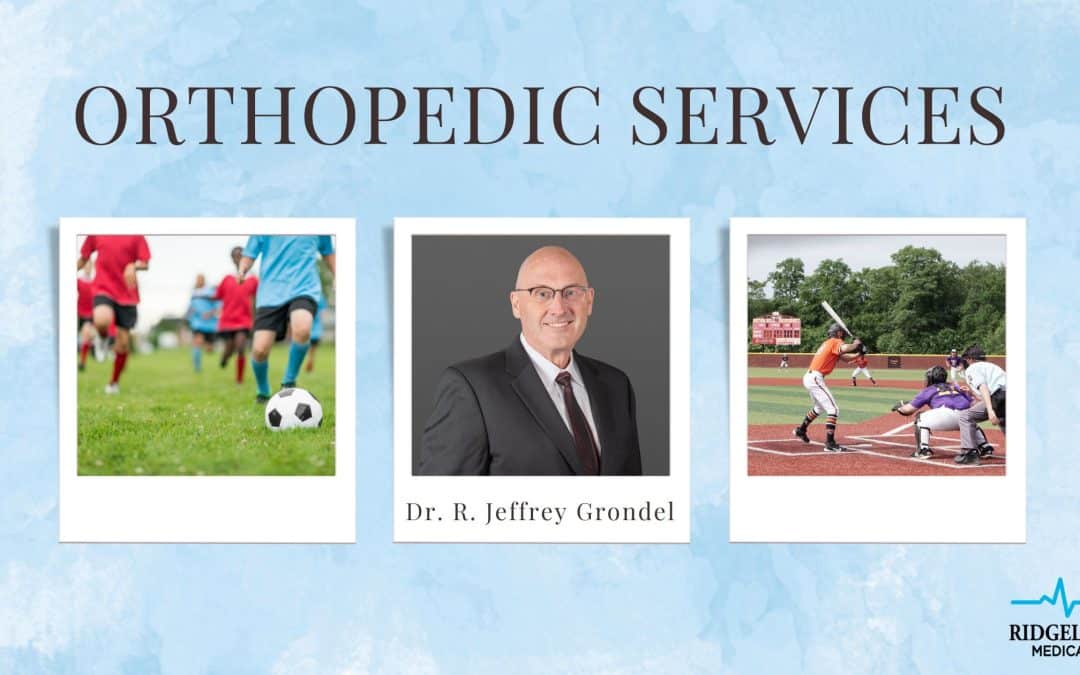
Our medical team at Ridgeline Medical consists of highly qualified medical professionals who strive to give their patients the highest quality of care. We are excited to announce we now offer Orthopedic Services at Ridgeline Medical! We want to introduce you to one of the top-rated orthopedic surgeons, Dr. R. Jeffrey Grondel, MD. We are so happy to have him as part of our Ridgeline Medical team!

Dr. Grondel has recently started practicing in Idaho Falls to be closer to family. He provides treatment for all orthopedic conditions with advanced training in the treatment of shoulder and sports medicine injuries. With 25 years of experience, Dr. Grondel individualizes treatment and works efficiently to help each patient return to full activity and live life to its fullest.

Dr. Grondel is board certified in orthopedic surgery. He is a member of the American Academy of Orthopedic Surgeons, the Arthroscopy Association of North America, and the American Academy of Sports Medicine. Dr. Grondel graduated from Brigham Young University and received his M.D. from the University of Utah School of Medicine in Salt Lake City. He performed his Residency in Orthopedic Surgery at Oregon Health Sciences University, completed a Fellowship in Orthopedic Trauma Surgery at Emanuel Hospital in Portland, Oregon, and a Fellowship in Sports Medicine and Shoulder at Mississippi Sports Medicine and Orthopedic Center. Dr. Grondel has the experience and expertise to help with the treatment and prevention of sports injuries.

Sports can be a fun activity for children and adults of all ages. If injuries arise, contact Dr. Grondel at Ridgeline Medical for help. With in-house x-rays and experienced providers, we can help get you back in the game as soon as possible!


Ridgeline Urgent Care- Here For You When You Need Us

Ridgeline Urgent Care- Here For You When You Need Us

Ridgeline Urgent Care offers health services without an appointment for when accidents or other urgent health issues arise. Our providers have extensive emergency room experience and have the expertise and knowledge to help you in your time of need. The staff has developed the skills and attitudes that make your trip to our urgent care facility valuable and effective.

What Makes Our Urgent Care Different?

  • In-House X-Ray with Same Day Results
  • In-House Lab Rapid Results (Blood & Urine)
  • Emergency Room Certified Doctors (Saving you money from costly Emergency Room bills!)
  • Continuity of Care Between Family Care & Urgent Care Providers

What Does Ridgeline Urgent Care Treat?

At Ridgeline Medical, the urgent care treats general ailments such as minor to moderate asthma attacks, burns, constipation, cuts, ear infections, fever, influenza, headaches, stomach illnesses or pain, respiratory illnesses, pelvic pain, sports injuries, sprains, fractures, back pain, tract infections, yeast infections, and much more. We can even help with IV hydration when needed!

Why Use Ridgeline Urgent Care?

Ridgeline Medical is a Family Practice and an Urgent Care facility. When a patient comes in for an urgent care visit, our providers have access to their medical history and treatments that have been provided from their family care providers at Ridgeline Medical.  This includes access to important information such as blood work, medications, allergies, and other specific details of their health care.

Also, if a patient comes in to the urgent care and needs follow-up care the next week, the family care providers have access to what diagnosis was made, lab results, and what medication and treatment was given. We are able to collaborate together to help patients get the right diagnosis and treatment plan as quickly as possible. With more information on the patient’s medical history, they are able to deliver the best quality and continuity of care.

Stefanie S. shared this review of Ridgeline Medical’s Urgent Care services: “Dr. Spencer and the Ridgeline staff were so welcoming and made us feel right at home! The nurse even brought a box of toys and goodies for the kids to choose from while we waited. Dr. Spencer was wonderful with my 3 and 5 year old. They weren’t scared one bit with his friendly and outgoing personality. He was thorough, direct and made me feel like he was taking care of one of his own children. Very impressed with Ridgeline [Medical] Care!”

Ridgeline Medical’s urgent care is open extended hours to be here for you when you need us. Our urgent care hours are Monday-Friday from 8 AM – 8 PM, and on Saturday from 9 AM – 6 PM. Whether you need lab work done, x-rays, or an exam for an urgent health issue, Ridgeline Medical can help you to start feeling better!


woman patient
A Healthy Heart is a Happy Heart!

A Healthy Heart is a Happy Heart!

According to statistics, heart disease is the leading cause of death for both men AND women in the United States! About 1.5 MILLION heart attacks and strokes happen every year in the US. Approximately one American dies from stroke every 4 minutes on average. Following a heart attack, approximately 1 in 4 women will die within the first year, and 1 in 5 men. The statistics are definitely alarming! February is American Heart Month, so we want to pass along some facts about heart health and some tips to help you take good care of your heart.

Many Americans have risks for cardiovascular disease and stroke. Some of these risks include:

      • Obesity
      • Physical Inactivity
      • High Blood Pressure
      • Smoking
      • High Cholesterol
      • Diabetes
      • Family history- Father or brother had heart disease before 55, mother or sister had heart disease before 65
      • Age- Men over 45 and women over 55 are at higher risk

The good news, many of the major risks for these conditions can be prevented and controlled through healthy lifestyle changes! Here are some things you can do to help practice healthy living habits and reduce your risk of heart disease or stroke.

  1. Follow the “ABCS” of heart health! A- Take Aspirin if directed. Ask your health care professional if aspirin could help reduce your risk of heart attack or stroke. Be sure to include your family history as well as your own history. B- Blood Pressure Control. High blood pressure increases your risk for heart attack or stroke more than any other risk factor. Check your blood pressure frequently, and ask your health provider about your numbers and if medication or other lifestyle changes are needed to help keep your blood pressure under control. C. Cholesterol management. Your body needs cholesterol, but too much cholesterol can build up in your arteries and cause heart disease. Talk to your doctor about checking your levels regularly and using medications or other means to help lower it if needed. S. Stop Smoking. Smoking raises your blood pressure, increasing your risk for heart attacks and strokes.

2. Eat a healthy diet. Eating a variety of foods rich in nutrients like potassium, calcium, magnesium, fiber, and protein and lower in sodium and saturated fat can help keep your blood pressure low and protect against heart disease and stroke. Choose foods that are low in trans fat and sodium (less than 2,300 mg of sodium per day or only 1500 mg of sodium per day if you are 51 or older or have other medical conditions). Make sure to load up on fruits and vegetables, and seek out recipes that are healthy, fresh, and flavorful. Check out this heart-healthy recipe for Hawaiian Huli Huli Chicken! https://healthyeating.nhlbi.nih.gov/recipedetail.aspx?linkId=12&cId=2&rId=126

3. Maintain a healthy weight.  Staying physically active can help you control your weight and strengthen your heart. If you are just beginning to get started being physically active, try walking for 10 minutes, 3 times a day, for 5 days a week. Slowly increase your activity as tolerated and directed by your healthcare provider.

4. Limit alcohol use. Heart health experts suggest no more than one drink a day for women and two for men.  (1 oz of hard liquor, 4 oz. of wine, or 12 oz. of beer = 1 drink)

5. Manage stress. Try finding ways to reduce stress in your life. Meditation, yoga, or talking to someone can be good options for relieving stress. Make sure to also get enough sleep and allow time for yourself.


Through lifestyle changes, medications, and regular doctor appointments, you can help reduce your risk of heart attack or stroke! At Ridgeline Medical, we can help evaluate your heart health and risk of heart attack to find the right treatment plan for you. Ridgeline’s team consists of highly qualified medical professionals who strive to give their patients the highest quality of care to people of all ages. Our providers work together to optimize their patient’s health by creating a relationship with them, genuinely listening, and cultivating a safe place. Contact us at 208-715-9990  or text us at 208-203-7113 with questions about heart health or any of our other healthcare services!

Some content is provided by health.gov and cdc.gov.