Urgent Care X-Ray Services for Sprains and Breaks

Urgent Care X-Ray Services for Sprains and Breaks

Urgent Care X-Ray Services for Sprains and Breaks

Injuries such as sprains and fractures can occur unexpectedly, often requiring immediate medical attention. Understanding the role of urgent care x-ray services is crucial for timely diagnosis and treatment. This article explores the various aspects of urgent care x-ray services specifically for sprains and breaks, including what injuries necessitate imaging, the diagnostic process, and the benefits of choosing walk-in services. Patients will learn about the convenience of on-site x-ray facilities, the types of injuries that can be assessed, and what to expect during their visit. By the end, readers will have a comprehensive understanding of how urgent care x-ray services can facilitate prompt and effective treatment for their injuries.

Key Takeaways

  • Urgent care x-ray services are crucial for diagnosing sprains, strains, and fractures.
  • On-site x-ray facilities provide immediate results for timely treatment decisions.
  • Walk-in access allows patients to receive care without appointments or referrals.
  • Urgent care centers offer same-day imaging results, enhancing patient care efficiency.
  • Musculoskeletal imaging facilitates prompt diagnosis and treatment of injuries.
  • Urgent care x-ray services are more convenient and cost-effective than emergency rooms.
  • Ridgeline Medical accepts walk-ins and offers transparent pricing for x-ray services.
  • Patients can expect expert evaluations and comprehensive care at urgent care facilities.

What Injuries Require Urgent Care X-Ray Imaging?

Urgent care x-ray imaging is essential for diagnosing various injuries that may not be immediately apparent. Common injuries that necessitate x-ray imaging include:

  • Sprains: Ligament injuries that can cause swelling and pain.
  • Strains: Muscle or tendon injuries that may require imaging to rule out tears.
  • Broken Bones: Fractures that need immediate assessment for proper treatment.
  • Joint Pain: Discomfort that may indicate underlying issues such as fractures or dislocations.
  • Injuries from Accidents or Falls: Any trauma that could result in fractures or significant soft tissue damage.

Recognizing these injuries early through x-ray imaging can significantly impact treatment outcomes and recovery times.

How Are Sprains Diagnosed with Urgent Care X-Rays?

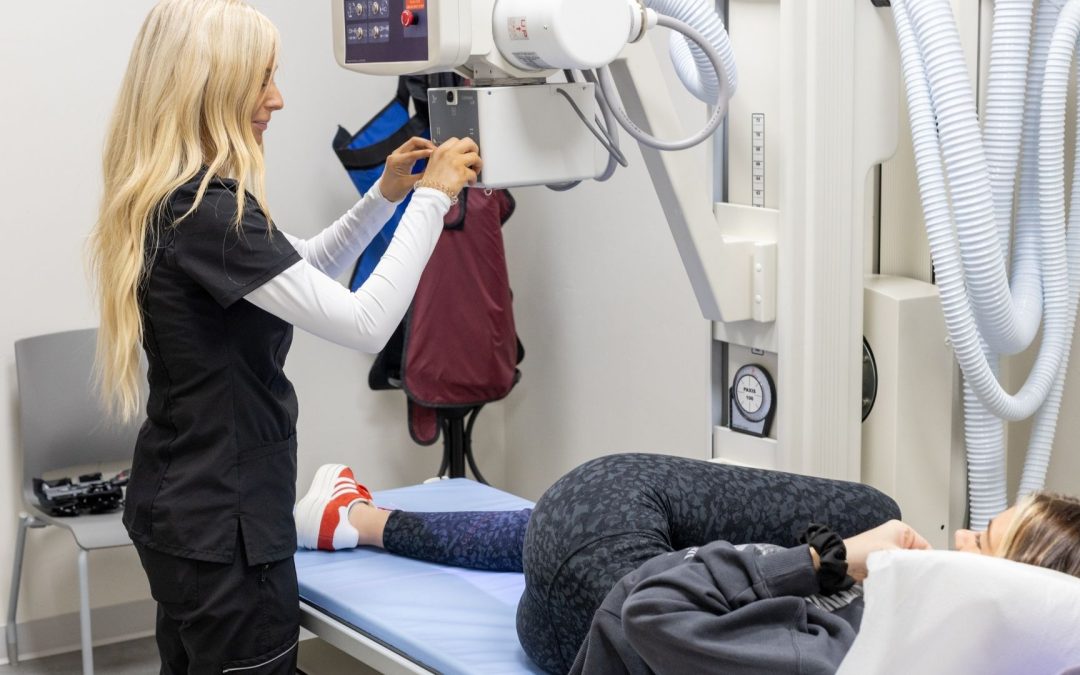
Diagnosing sprains in an urgent care setting typically involves a systematic approach. Initially, a walk-in assessment is conducted, where a healthcare provider performs a physical evaluation to determine the extent of the trauma. Following this, a digital x-ray is often utilized to visualize the affected area. This imaging technique provides immediate results, allowing for a personalized treatment plan to be developed on the same day. The rapid diagnosis not only alleviates patient anxiety but also ensures that appropriate care is initiated without delay.

What Types of Breaks Can Be Detected On-Site?

On-site x-ray services are capable of detecting various types of breaks, including:

  • Simple Fractures: Clean breaks that do not penetrate the skin.
  • Compound Fractures: Breaks where the bone protrudes through the skin, requiring urgent care.
  • Stress Fractures: Small cracks in the bone often caused by repetitive force or overuse.

These imaging capabilities enable healthcare providers to assess the severity of the damage and determine the best course of action for treatment.

How Does the On-Site X-Ray Process Work at Ridgeline Medical?

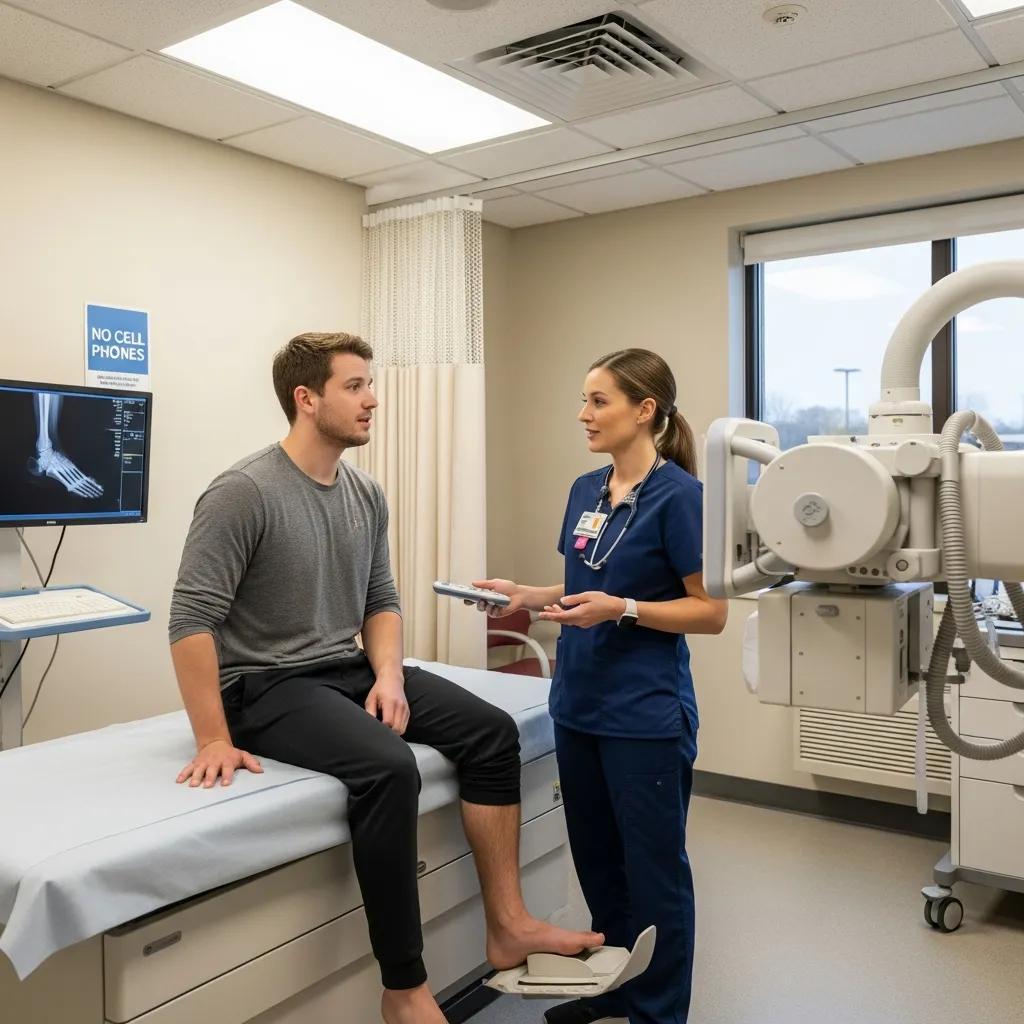
At Ridgeline Medical, the on-site x-ray process is designed for efficiency and patient comfort. Patients do not need a referral to access x-ray services, and walk-ins are always welcome. The process begins with a brief consultation to understand the patient’s symptoms, followed by immediate imaging. The x-ray results are typically available on the same day, allowing for expert evaluation and timely treatment decisions. This streamlined approach minimizes wait times and enhances the overall patient experience.

Meet Dr. Danny Spencer and the Expert Team at Ridgeline Medical

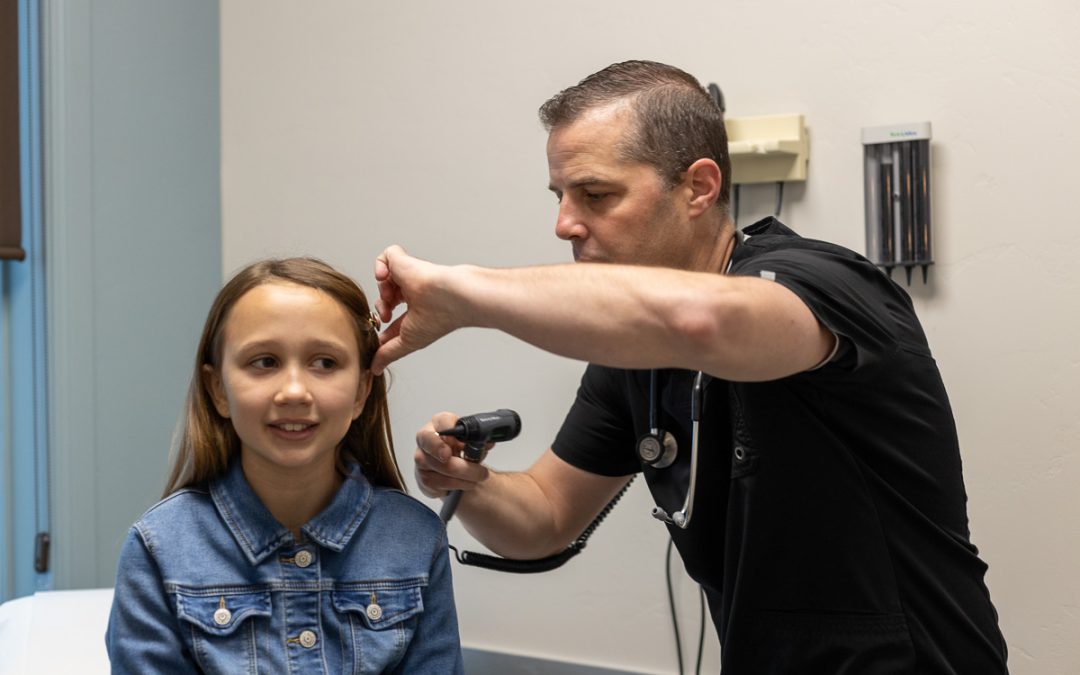
Dr. Danny Spencer leads the dedicated team at Ridgeline Medical, bringing extensive experience in urgent care and musculoskeletal imaging. With a commitment to patient-centered care, Dr. Spencer and his team ensure that every patient receives thorough evaluations and accurate diagnoses. Their expertise in interpreting x-rays for sprains, breaks, and other conditions allows for prompt and effective treatment plans tailored to individual needs. The team’s collaborative approach and use of advanced imaging technology make Ridgeline Medical a trusted choice for urgent care services.

What Should Patients Expect During Immediate Injury X-Ray?

During an immediate injury x-ray visit, patients can expect a straightforward and efficient process. The on-site x-ray facilities are equipped with modern technology to ensure high-quality imaging. Patients will receive clear instructions on how to position themselves for the x-ray, and the procedure itself is quick, usually taking only a few minutes. After the imaging, patients can anticipate receiving same-day results, which are crucial for developing a comprehensive care plan. The focus is on providing expert evaluation and comprehensive care tailored to the patient’s specific needs.

How Does Musculoskeletal Imaging Facilitate Prompt Diagnosis?

Musculoskeletal imaging plays a vital role in facilitating prompt diagnosis of injuries. By providing immediate access to x-ray services, urgent care facilities can quickly assess the condition of bones and soft tissues. This rapid assessment is essential for determining the appropriate treatment plan, whether it involves rest, physical therapy, or surgical intervention. The ability to obtain same-day results significantly enhances the efficiency of care, allowing patients to begin their recovery process without unnecessary delays.

Research further supports the effectiveness of digital imaging in urgent care settings for expediting diagnosis and improving patient outcomes.

Urgent Care X-Ray: Faster Diagnosis & Treatment for Extremity Injuries

Although it is intuitively valuable that more expedient delivery of radiographic images and reports to clinicians would improve patient care, it is important to document these outcomes to validate further advances in these areas. We evaluated the care of 215 patients seen at a walk-in clinic to determine what benefit digital imaging is to the patient. Our analysis demonstrated a reduction in time to final diagnosis that was better appreciated during the times when a staff radiologist was not immediately available. It also suggested that greater time reductions were seen for patients who received extremity examinations than those who received chest, sinus, or rib films. These data suggest that digital imaging is a useful tool to improve clinical outcome of patients seen in the acute care setting.

Impact of electronic imaging on clinician behavior in the urgent care setting, BJ Erickson, 1999

What Are the Benefits of Choosing Walk-In Urgent Care X-Ray Services?

Choosing walk-in urgent care x-ray services offers several advantages:

  • Same-Day Results: Patients receive immediate feedback on their conditions, allowing for quick treatment decisions.
  • Onsite Services: All necessary imaging and evaluations are conducted in one location, streamlining the care process.
  • Expert Evaluation: Healthcare providers specialize in urgent care, ensuring that patients receive knowledgeable assessments.
  • No Referral Needed: Patients can access services without the need for prior referrals, making it more convenient.
  • Convenient Care: Walk-in services cater to patients' schedules, providing flexibility in accessing care.

These benefits make urgent care x-ray services an attractive option for individuals seeking timely and effective treatment for their ailments.

How Does Walk-In Access Improve Injury Evaluation?

Walk-in access significantly improves injury evaluation by providing immediate care to patients without the need for appointments. This accessibility allows individuals to seek treatment as soon as a trauma occurs, which is crucial for conditions that may worsen over time. Experienced providers are available to assess damages promptly, ensuring that patients receive the necessary care without delay. Additionally, the affordability of walk-in services makes them a practical choice for many individuals seeking urgent care.

Why Is On-Site Imaging More Convenient Than Emergency Rooms?

On-site imaging at urgent care facilities is often more convenient than traditional emergency rooms for several reasons:

  • Same-Day Access: Patients can receive imaging services without long wait times typically associated with emergency rooms.
  • Convenience: Urgent care centers are often located in accessible areas, making them easier to reach.
  • Rapid Results: On-site imaging provides immediate results, allowing for quicker treatment decisions.
  • Cost-Effectiveness: Urgent care services are generally more affordable than emergency room visits, making them a viable option for many patients.
  • Integrated Care: Patients benefit from a cohesive approach to treatment, with all services provided in one location.

These factors contribute to a more efficient and patient-friendly experience when seeking urgent care for injuries.

What Should Patients Know About Insurance, Pricing, and Walk-In Policies?

Patients should be aware of several key aspects regarding insurance, pricing, and walk-in policies when considering urgent care x-ray services. Most urgent care facilities, including Ridgeline Medical, accept a variety of major insurance plans, making it easier for patients to access necessary services. Additionally, self-pay options are available for those without insurance, ensuring that care remains accessible. Walk-in policies allow patients to receive care without prior appointments, enhancing convenience and flexibility in accessing urgent care services.

Does Ridgeline Medical Accept Walk-Ins for X-Ray Services?

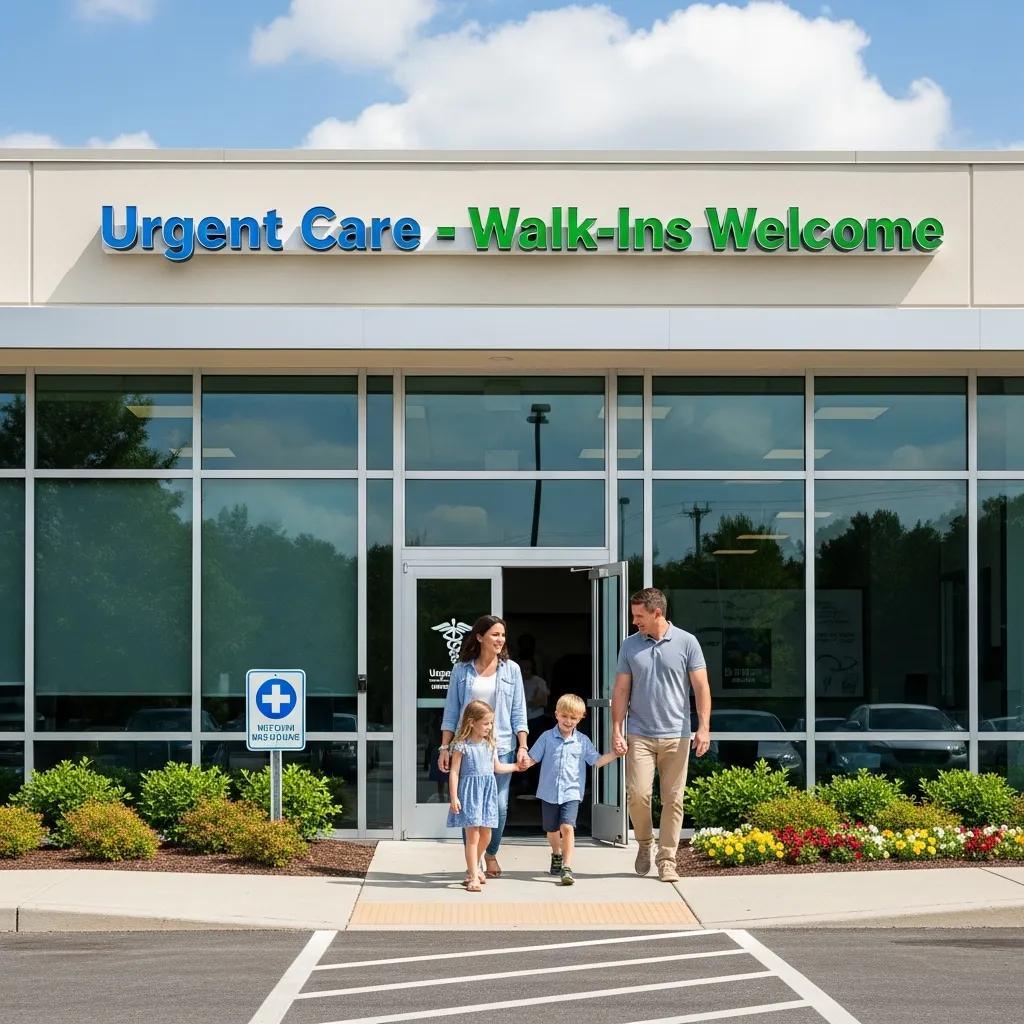
Yes, Ridgeline Medical accepts walk-ins for x-ray services. This policy allows patients to seek immediate care for their conditions without the need for appointments or referrals. The convenience of walk-in access ensures that individuals can receive timely evaluations and necessary imaging, which is crucial for effective treatment.

What Are the Typical Costs and Insurance Options for Urgent Care Imaging?

Understanding the costs and insurance options for urgent care imaging is essential for patients. Typical costs for x-ray services can vary based on the type of imaging required and the facility. However, urgent care centers like Ridgeline Medical strive to provide transparent pricing and accept most major insurance plans. Patients are encouraged to inquire about specific costs and coverage options when seeking services to ensure they are well-informed about their financial responsibilities.

Frequently Asked Questions

What should I bring when visiting for an urgent care x-ray?

When visiting an urgent care center for an x-ray, it’s important to bring a few key items. First, have your insurance card ready, as this will help streamline the billing process. If you have any previous medical records related to your condition, such as past x-rays or treatment notes, bring those as well. Additionally, wear comfortable clothing that allows easy access to the area being examined, and be prepared to provide a brief medical history to the healthcare provider.

How long does an urgent care x-ray appointment typically take?

An urgent care x-ray appointment is designed to be efficient, typically taking about 30 minutes to an hour from start to finish. This includes the initial consultation with a healthcare provider, the x-ray procedure itself, and waiting for the results. The actual x-ray process is quick, usually lasting only a few minutes. Patients can expect to receive same-day results, which helps in making timely treatment decisions.

Can children receive x-rays at urgent care facilities?

Yes, children can receive x-rays at urgent care facilities. These centers are equipped to handle pediatric patients and often have protocols in place to ensure their comfort and safety during the imaging process. It’s important for parents to inform the healthcare provider about any concerns regarding their child’s health or previous imaging history. The staff will take necessary precautions, such as using lower radiation doses, to minimize exposure while still obtaining accurate results.

What happens if my x-ray shows a serious injury?

If your x-ray reveals a serious injury, the healthcare provider will discuss the findings with you immediately. Depending on the severity of the damage, they may recommend further treatment options, which could include referrals to specialists, physical therapy, or even surgical intervention. The goal is to ensure you receive the appropriate care as quickly as possible. You will also receive guidance on follow-up appointments and any necessary precautions to take during your recovery.

Are there any risks associated with x-ray imaging?

While x-ray imaging is generally safe, it does involve exposure to a small amount of radiation. The benefits of obtaining a clear diagnosis typically outweigh the risks, especially in urgent care settings where timely treatment is crucial. Healthcare providers take precautions to minimize exposure, such as using lead aprons and limiting the number of x-rays performed. If you have concerns about radiation exposure, discuss them with your provider, who can explain the safety measures in place.

How can I prepare for an x-ray appointment?

Preparing for an x-ray appointment is straightforward. Wear loose-fitting clothing that allows easy access to the area being examined, and avoid wearing jewelry or accessories that may interfere with the imaging. If you are pregnant or suspect you might be, inform the healthcare provider beforehand, as this may affect the decision to proceed with the x-ray. Additionally, follow any specific instructions given by the urgent care facility regarding food or medication restrictions prior to your visit.

Pediatric Urgent Care Services for Children

Pediatric Urgent Care Services for Children

Pediatric Urgent Care Services for Children in Idaho Falls

Urgent care services for children are a critical component of pediatric healthcare, providing essential, timely, and specialized medical attention for non-life-threatening conditions when primary care physicians are unavailable. These services are tailored to the unique physiological and developmental needs of young patients, ensuring they receive expert evaluation and treatment in a child-friendly and reassuring environment. Parents often face uncertainty about when to seek urgent care, especially when symptoms arise suddenly or outside regular office hours. This comprehensive article offers authoritative guidance on pediatric urgent care, detailing when to utilize these services, identifying common symptoms that necessitate urgent evaluation, and outlining the spectrum of conditions managed at reputable facilities such as “Ridgeline Medical” in Idaho Falls.

Extensive research underscores the indispensable role of urgent care centers in effectively managing non-emergent pediatric health issues, thereby reducing unnecessary emergency department visits and improving healthcare accessibility.

The Essential Role of Urgent Care for Non-Emergent Pediatric Needs

Urgent care centers (UC) serve as a vital healthcare resource by addressing non-emergent pediatric health concerns, offering a practical and efficient alternative to emergency departments (ED). Accessibility to UCs, however, can be influenced by factors such as transportation availability and socioeconomic status. This study rigorously evaluated the geospatial accessibility of UCs and EDs in Milwaukee County, Wisconsin, and analyzed the interplay between transit options, socioeconomic vulnerability, and healthcare access.

Accessibility of Urgent Care Centers: A Socioeconomic and Geospatial Evaluation, R Sadler, 2025

When Should You Choose Urgent Care for Your Child?

Urgent care is the recommended option for children requiring prompt medical attention for conditions that are not immediately life-threatening but still demand timely intervention. Consider urgent care services in the following scenarios:

  • Non-life-threatening conditions: Minor injuries or illnesses that require swift medical evaluation but do not warrant emergency room visits.
  • Immediate care needs: Sudden onset of symptoms such as high fever, sprains, or moderate respiratory distress that necessitate quick assessment and treatment.
  • Convenience and efficiency: Urgent care centers typically offer shorter wait times and greater accessibility compared to emergency rooms, providing a practical solution for families.

Recognizing these situations empowers parents to make informed, evidence-based decisions regarding their child’s healthcare.

Recognizing Common Illness Symptoms for Urgent Care Visits

Timely identification of symptoms that require urgent care is crucial for effective treatment and preventing complications. Parents should be vigilant for the following signs that indicate the need for a pediatric urgent care visit:

  • Fever: Persistent high fever, especially when accompanied by lethargy, rash, or dehydration, may signal serious infection.
  • Respiratory issues: Difficulty breathing, wheezing, persistent coughing, or cyanosis require immediate medical evaluation.
  • Injuries: Deep cuts, significant bruising, sprains, or suspected fractures that may need stitches, splinting, or further diagnostic imaging.

Prompt recognition and response to these symptoms can significantly improve health outcomes for children.

Distinguishing Urgent Care from Emergency Room Needs for Children

Understanding the appropriate healthcare setting for your child’s condition is essential to ensure optimal care and resource utilization. Key distinctions include:

  • Conditions suitable for urgent care: Non-life-threatening issues such as minor fractures, sprains, mild infections, and minor allergic reactions.
  • Conditions requiring emergency room: Life-threatening emergencies including severe trauma, respiratory distress, uncontrolled bleeding, seizures, or altered consciousness.
  • Decision-making guidance: When symptoms are severe, rapidly worsening, or involve vital functions, immediate emergency care is imperative. Otherwise, urgent care provides a safe and effective alternative.

Equipped with this knowledge, parents can confidently navigate healthcare options to best support their child’s well-being.

What Conditions Are Managed at Urgent Care Clinics?

Facilities like “Ridgeline Medical” are staffed by experienced pediatric healthcare professionals capable of managing a broad range of conditions. Commonly treated issues include:

  • Minor injuries: Sprains, strains, minor fractures, and soft tissue injuries that do not require surgical intervention.
  • Infections: Acute otitis media, urinary tract infections, streptococcal pharyngitis, and other common pediatric infections.
  • Allergic reactions: Mild to moderate allergic responses requiring evaluation, antihistamine administration, and monitoring.

These clinics provide accessible, expert care for many pediatric health concerns, ensuring timely and effective treatment.

ConditionTreatmentNotes
Minor injuriesX-ray services, splintingRapid assessment and treatment by trained clinicians
InfectionsAntibiotics, symptom managementPrompt diagnosis to prevent complications and transmission
Allergic reactionsAntihistamines, observationImmediate care for mild to moderate reactions

This table highlights the comprehensive scope of pediatric conditions effectively managed at urgent care clinics, underscoring their vital role in community health.

Typical Illnesses Managed in Urgent Care

Urgent care centers are equipped to diagnose and treat a variety of common pediatric illnesses, including:

  • Cold and flu symptoms: Evaluation and management of cough, congestion, fever, and associated symptoms.
  • Gastrointestinal issues: Treatment for vomiting, diarrhea, dehydration, and related concerns.
  • Skin conditions: Care for rashes, insect bites, minor burns, and other dermatological issues.

By providing timely interventions for these illnesses, urgent care facilities play a crucial role in maintaining children’s health and preventing disease progression.

Procedures and Treatments Offered for Urgent Care Patients

At “Ridgeline Medical”, pediatric patients benefit from a range of advanced procedures and treatments designed to address urgent health needs efficiently, including:

  • X-ray services: On-site imaging for accurate diagnosis of fractures and other injuries.
  • Wound care: Expert treatment of cuts, lacerations, and abrasions, including suturing when necessary.
  • Medication administration: Immediate provision of antibiotics, analgesics, and other medications tailored to pediatric patients.

These comprehensive services ensure children receive high-quality, coordinated care during a single visit, enhancing recovery and satisfaction.

How to Access Urgent Care Services in Idaho Falls

Accessing pediatric urgent care at Ridgeline Medical is straightforward and designed to accommodate families efficiently. Follow these steps:

  • Location details: Ridgeline Medical is conveniently located at 2470 Jafer Ct, Idaho Falls, ID 83404.
  • Hours of operation: Verify current clinic hours online or by phone to plan your visit.
  • Walk-in process: The clinic welcomes walk-in patients, facilitating immediate care without prior appointments.

These streamlined access points ensure families can obtain prompt medical attention for their children when needed.

Walk-In Clinic Availability and After-Hours Care Options

Recognizing the unpredictable nature of pediatric illnesses, urgent care clinics often provide flexible scheduling and extended hours. Key features include:

  • Extended operating hours: Many clinics remain open during evenings and weekends to accommodate working families.
  • After-hours care: Some facilities offer services beyond standard business hours, ensuring continuous access to care.
  • Walk-in convenience: Eliminating the need for appointments, walk-in services enable families to seek care promptly.

This accessibility is essential for addressing urgent pediatric health needs outside typical office hours.

Appointment Scheduling and Insurance Acceptance for Child Urgent Care

Understanding the administrative aspects of urgent care enhances the patient experience. Important considerations include:

  • Insurance plans accepted: Ridgeline Medical accepts a broad range of insurance providers, facilitating coverage for most families.
  • Self-pay options: Affordable self-pay plans are available to ensure all children can access necessary care regardless of insurance status.
  • Appointment scheduling: While walk-ins are welcome, scheduling an appointment can reduce wait times and streamline care delivery.

These policies support equitable and efficient access to pediatric urgent care services.

What Should Families Expect During an Urgent Care Visit?

Families visiting pediatric urgent care clinics can anticipate a professional, compassionate, and child-centered experience characterized by:

  • Welcoming environment: Facilities are designed to reduce anxiety and create a comforting atmosphere for children and their families.
  • Child-friendly services: Staff are specially trained in pediatric care, ensuring sensitive and effective communication and treatment.
  • Efficient care process: The clinic prioritizes prompt evaluation and treatment to minimize wait times and expedite recovery.

These elements collectively foster a positive healthcare experience and promote optimal outcomes for young patients.

Patient Care Process and Family-Centered Approach at Ridgeline Medical

Ridgeline Medical is committed to delivering exemplary pediatric care through a family-centered model that emphasizes collaboration and comprehensive support. Key features include:

  • Family-centered care: Active involvement of families in decision-making ensures that care plans align with the child's and family's needs and preferences.
  • Comprehensive services: The clinic offers an extensive range of diagnostic, therapeutic, and follow-up services tailored to pediatric patients.
  • Continuity of care: Coordination with primary care providers and specialists ensures seamless ongoing management of children's health.

This holistic approach enhances care quality and fosters trust between families and healthcare providers.

Meet the Experts at Ridgeline Medical

Ridgeline Medical’s pediatric urgent care services are led by highly qualified professionals dedicated to providing exceptional care. Key team members include:

  • Scott Ulrich, PA-C: A certified Physician Assistant with extensive experience in pediatric urgent care, Scott brings compassionate, patient-focused care and expertise in managing a wide range of pediatric conditions.
  • Dr. Haskell, MD: Dr. Jeffrey Haskell, an esteemed practitioner whose 33 years of dedication to family wellness, coupled with his passion for the outdoors, enriches the Ridgeline Medical community.

Their combined expertise ensures that children receive the highest standard of medical attention in a supportive and child-friendly environment.

Insurance, Costs, and Preparing for Your Child’s Urgent Care Appointment

Proactive preparation for an urgent care visit can optimize the experience and reduce stress. Families should consider the following:

  • Insurance verification: Confirm insurance coverage and understand benefits prior to the appointment to anticipate costs.
  • Cost expectations: Awareness of potential out-of-pocket expenses enables financial planning and avoids surprises.
  • Preparation tips: Bring relevant medical records, a list of current medications, and any necessary identification or insurance documents.

These steps facilitate a smooth, efficient visit and support comprehensive care delivery for your child.

Telehealth Follow-Up Visits After Urgent Care Idaho Falls

Telehealth Follow-Up Visits After Urgent Care Idaho Falls

Telehealth Follow-Up Visits After Urgent Care in Idaho Falls

Telehealth follow-up visits have emerged as a vital component of modern healthcare, particularly after urgent care visits. These virtual consultations allow patients to receive ongoing care without the need for in-person appointments, making healthcare more accessible and convenient. In Idaho Falls, telehealth services are increasingly utilized to ensure that patients receive the necessary follow-up care after urgent medical situations. This article will explore the definition and benefits of telehealth follow-up visits, how telemedicine supports aftercare, and the steps to schedule an appointment with Ridgeline Medical, a healthcare provider in the area. Additionally, we will discuss insurance options and payment methods available for these services.

What Is a Telehealth Follow-Up Visit After Urgent Care?

A telehealth follow-up visit after urgent care is a virtual consultation that allows healthcare providers to assess a patient’s condition remotely. This process typically involves a video call or phone consultation where the provider can review the patient’s symptoms, discuss treatment plans, and make necessary adjustments to medications. The convenience of telehealth visits means that patients can receive care from the comfort of their homes, reducing the need for travel and waiting times associated with in-person visits. This approach not only enhances patient satisfaction but also ensures continuity of care.

How Does Telemedicine Support Urgent Care Aftercare?

Telemedicine plays a crucial role in supporting aftercare following urgent care visits. It facilitates ongoing communication between patients and healthcare providers, ensuring that any concerns or complications can be addressed promptly. By providing access to medical history and previous treatment details, telemedicine allows providers to make informed decisions about a patient’s care. This continuity is essential for effective recovery, as it helps to monitor progress and adjust treatment plans as needed.

Research further illuminates the impact of telemedicine on follow-up care, offering insights into timeliness and patient outcomes.

Telemedicine Timeliness and Follow-Up Care Outcomes

Telemedicine visits were timelier, with modality having a larger association for visits with patient’s own PCP versus another PCP (P< 0.001). For visits with patient’s own PCPs, return office visit rates were 1.2% for in-person, 5.3% for video, and 6.1% for audio-only. For another PCP, rates were 2.2% for in-person, 7.3% for video, and 8.1% for audio. Follow-up ED visits ranged from 1.4% (in-person) to 1.6% (audio-only) with own PCP, compared to 1.9% (in-person) to 2.3% (audio-only) with another PCP.

Primary care telemedicine and care continuity: Implications for timeliness and short-term follow-up healthcare, I Graetz, 2024

What Are the Benefits of Virtual Doctor Visits in Idaho Falls?

Virtual doctor visits offer numerous advantages, particularly in Idaho Falls, where access to healthcare can be limited. Some key benefits include:

  • Convenience: Patients can attend appointments from home, saving time and reducing travel-related stress.
  • Accessibility: Telehealth services make it easier for individuals with mobility issues or those living in remote areas to receive care.
  • Comprehensive Care: Virtual visits allow for thorough evaluations and follow-ups, ensuring that patients receive the attention they need.

For those seeking high-quality telehealth services, Ridgeline Medical offers a range of options tailored to meet patient needs.

Ridgeline Medical is staffed by a team of experienced healthcare providers, including board-certified physicians and nurse practitioners specializing in family medicine and urgent care. Their credentials include extensive training from accredited medical institutions and years of clinical experience in both in-person and telehealth settings. This expertise ensures that patients receive knowledgeable, compassionate care tailored to their individual health needs.

While telehealth offers numerous advantages, it’s important to consider research that highlights potential complexities in specific follow-up scenarios.

Telehealth Follow-Up After ED: Impact on Hospital Readmissions

Meaning In this study, telehealth follow-up visits after ED encounters were associated with higher rates of repeated hospital visits even after adjusting for patient and visit characteristics. These findings suggest that telehealth follow-up may not be equivalent to in-person follow-up for all patients after ED visits.

Association between in-person vs telehealth follow-up and rates of repeated hospital visits among patients seen in the emergency department, 2022

How Do I Schedule a Telehealth Follow-Up Appointment with Ridgeline Medical?

Scheduling a telehealth follow-up appointment with Ridgeline Medical is a straightforward process. Patients can follow these steps:

  • Call to Schedule: Contact Ridgeline Medical at (208) 715-9990 to initiate the appointment process.
  • Account Setup: If you are a new patient, you will need to set up an account with the practice.
  • Registration Completion: Complete any necessary registration forms to ensure your information is up to date.

This simple process ensures that patients can quickly access the care they need after an urgent care visit.

What Are the Steps to Book an Online Medical Follow-Up?

Booking an online medical follow-up involves a few essential steps:

  • Visit the Provider's Website: Navigate to the Ridgeline Medical website to find information on telehealth services.
  • Select Appointment Type: Choose the type of follow-up appointment you require.
  • Fill Out Required Forms: Complete any necessary forms to provide your medical history and current symptoms.

These steps help streamline the process, making it easier for patients to receive timely care.

Can I Access Family Medicine Telehealth Services Virtually?

Yes, family medicine telehealth services are available virtually, allowing patients to consult with healthcare providers about a wide range of health concerns. This accessibility ensures that families can receive comprehensive care without the need for in-person visits, making it easier to manage ongoing health issues or new concerns that arise.

What Insurance and Payment Options Are Available for Telehealth Services in Idaho Falls?

In Idaho Falls, various insurance plans cover telehealth services, making them an affordable option for many patients. It’s essential to check with your insurance provider to understand your coverage options. Additionally, Ridgeline Medical offers self-pay options for those without insurance, ensuring that everyone has access to necessary healthcare services.

Does Insurance Cover Urgent Care Telemedicine Follow-Up?

Insurance coverage for urgent care telemedicine follow-ups can vary by provider. Many insurance plans now include telehealth services as part of their coverage, but it is advisable to verify with your specific insurance company to confirm what is included. This step ensures that patients are aware of any out-of-pocket costs associated with their telehealth visits.

What Payment Methods Are Accepted for Virtual Follow-Up Visits?

Ridgeline Medical accepts various payment methods for virtual follow-up visits, including:

  • Credit and Debit Cards: Most major credit and debit cards are accepted.
  • Health Savings Accounts (HSAs): Patients can use their HSA funds to pay for telehealth services.
  • Self-Pay Options: For those without insurance, self-pay options are available to ensure access to care.

These flexible payment options make it easier for patients to manage their healthcare expenses.

How Should Patients Prepare for Their Telehealth Follow-Up Visit?

Preparing for a telehealth follow-up visit is crucial for ensuring a productive consultation. Patients should:

  • Schedule the Appointment: Ensure that the appointment is booked at a convenient time.
  • Test Technology: Check that your device is functioning correctly and that you have a stable internet connection.
  • Gather Medical Information: Have any relevant medical records or information ready to discuss during the appointment.

By taking these steps, patients can maximize the effectiveness of their telehealth visit.

What Information Should I Have Ready for My Virtual Doctor Visit?

Before a virtual doctor visit, patients should prepare the following information:

  • Personal Information: Basic details such as name, date of birth, and contact information.
  • Health Concerns: A list of current health issues or symptoms to discuss.
  • Medication List: Any medications currently being taken, including dosages and frequency.

Having this information readily available helps facilitate a more efficient and effective consultation.

What Technology Is Needed for a Successful Telehealth Appointment?

To ensure a successful telehealth appointment, patients need:

  • A Device: A smartphone, tablet, or computer with a camera and microphone.
  • Stable Internet Connection: A reliable internet connection to avoid disruptions during the appointment.
  • A Private Space: A quiet, private area to discuss health concerns without interruptions.

These technological requirements are essential for a smooth telehealth experience, allowing for clear communication between patients and providers.

Beyond patient-side technology, successful tele-urgent care also relies heavily on robust clinical infrastructure and adapted practices, as highlighted by experienced clinicians.

Enhancing Tele-Urgent Care: Clinician Insights and Best Practices

We identified four themes related to barriers and facilitators to providing effective, high-quality tele-urgent care. Workplace factors such as a strong information technology (IT) infrastructure, real-time IT support, an electronic health record, and a collegial work environment, often virtual, were necessary standards. Communication and exam techniques from in-person encounters were adapted to tele-urgent care including active listening skills and teaching patients to conduct specific exam maneuvers virtually. The convenience of tele-urgent care should be preserved to support improvements in access to care. Finally, patients and clinicians occasionally had mismatched expectations about what could or would be provided during a tele-urgent care encounter.

Delivering urgent care using telemedicine: insights from experienced clinicians at academic medical centers, AK Agarwal, 2022

Frequently Asked Questions

What types of conditions can be treated during a telehealth follow-up visit?

During a telehealth follow-up visit, a wide range of conditions can be addressed, including chronic illnesses, mental health concerns, and post-urgent care evaluations. Healthcare providers can assess symptoms, adjust medications, and provide guidance on managing ongoing health issues. Common examples include follow-ups for respiratory infections, skin conditions, and mental health therapy. The flexibility of telehealth allows for comprehensive care tailored to individual patient needs, ensuring that all health concerns are adequately addressed without the necessity of an in-person visit.

Are there any limitations to telehealth follow-up visits?

While telehealth follow-up visits offer many benefits, there are limitations to consider. Certain conditions may require physical examinations or diagnostic tests that cannot be performed virtually. Additionally, some patients may struggle with technology or lack access to reliable internet, which can hinder their ability to participate in telehealth consultations. Furthermore, the effectiveness of telehealth can vary based on the nature of the health issue, as some patients may benefit more from in-person visits for complex medical concerns.

How does telehealth impact patient engagement and satisfaction?

Telehealth has been shown to enhance patient engagement and satisfaction by providing convenient access to healthcare services. Patients appreciate the ability to consult with their providers from home, which reduces travel time and associated stress. Additionally, the ease of scheduling appointments and the ability to communicate with healthcare providers through digital platforms fosters a more proactive approach to health management. Studies indicate that patients who utilize telehealth often report higher satisfaction levels due to the personalized and accessible nature of virtual care.

Can telehealth follow-up visits replace in-person visits entirely?

Telehealth follow-up visits are not intended to completely replace in-person visits, as both modalities serve distinct purposes in patient care. While telehealth is effective for many follow-up scenarios, certain medical conditions or emergencies necessitate physical examinations and diagnostic testing that can only be conducted in person. The ideal approach often involves a hybrid model, where telehealth is used for routine follow-ups and in-person visits are reserved for more complex or urgent health issues, ensuring comprehensive care for patients.

What should I do if I experience technical issues during my telehealth appointment?

If you encounter technical issues during your telehealth appointment, the first step is to remain calm and try to troubleshoot the problem. Check your internet connection, ensure your device is functioning properly, and verify that you are using the correct platform or application for the appointment. If issues persist, contact the healthcare provider’s office for assistance. Many telehealth services have technical support available to help resolve issues quickly, ensuring that you can still receive the care you need.

How can I ensure my privacy during a telehealth visit?

To ensure your privacy during a telehealth visit, choose a quiet, private space where you can speak freely without interruptions. Use secure, encrypted platforms provided by your healthcare provider, as these are designed to protect your personal health information. Additionally, avoid discussing sensitive information in public areas or over unsecured networks. Familiarize yourself with the privacy policies of the telehealth service you are using, and feel free to ask your provider about their measures to protect your confidentiality during the consultation.

Walk-In Urgent Care Visits and What to Expect

Walk-In Urgent Care Visits and What to Expect

Walk-In Urgent Care Visits and What to Expect

Walk-in urgent care centers provide a vital service for individuals seeking immediate medical attention for non-life-threatening conditions. These facilities offer a convenient alternative to traditional emergency rooms, allowing patients to receive care without the long wait times typically associated with hospital visits. In this article, we will explore what walk-in urgent care entails, the benefits it offers, and what patients can expect during their visits. We will also highlight Ridgeline Medical’s approach to urgent care in Idaho Falls, ensuring that you are well-prepared for your next visit.

Indeed, the role of urgent care in alleviating the burden on emergency departments for non-critical cases is well-documented.

Urgent Care: Reducing ED Overuse for Non-Life-Threatening Conditions

Emergency departments (EDs) are specialized and costly resources designed to provide care for patients with urgent or life-threatening conditions [1]. In Canada, low-acuity ambulatory patients, who do not require a gurney or constant observation, represent 30%-60% of all ED visits [2-7]. This situation is increasingly considered as overuse and misuse of ED resources and a threat to the quality of care received by patients whose needs are more urgent [8]. Delays experienced in an overcrowded ED can lead to mortality, morbidity, and reduced quality of life [9-14]. ED overcrowding is widely regarded as a serious but largely avoidable public health risk exacerbated by ambulatory patients [15,16].

… -based comparison of the management of ambulatory respiratory diseases in walk-in clinics, primary care practices, and emergency departments: protocol for …, S Berthelot, 2021

Key Takeaways

  • Walk-in urgent care centers offer immediate medical attention for non-life-threatening conditions.
  • These centers reduce emergency department overuse by treating non-critical health issues efficiently.
  • Urgent care services include lab tests, X-rays, and treatment for common ailments.
  • Ridgeline Medical provides accessible urgent care with extended hours and no appointment needed.
  • Patients should bring insurance and identification for a streamlined urgent care visit.
  • Urgent care is a cost-effective alternative to emergency room visits for non-emergency conditions.
  • Average wait times at urgent care centers are significantly shorter than emergency rooms.
  • Ridgeline Medical accepts major insurance plans and offers self-pay options for uninsured patients.

What Is Walk-In Urgent Care and How Does It Serve Idaho Falls Patients?

Walk-in urgent care centers are designed to provide immediate medical attention for a variety of non-critical health issues. They serve as an accessible option for patients who need same-day care without the lengthy wait times of emergency rooms. These facilities typically offer services such as onsite lab tests, X-rays, and treatment for common ailments, making them a convenient choice for many residents in Idaho Falls.

Ridgeline Medical exemplifies this model by providing comprehensive urgent care services that cater to the needs of the local community. Patients can expect to receive timely and efficient care, ensuring that their health concerns are addressed promptly.

Defining Walk-In Urgent Care Services and Their Benefits

Walk-in urgent care services encompass a range of medical treatments aimed at addressing immediate health concerns. Some of the key benefits include:

  • Immediate Care for Non-Critical Needs: Patients can receive treatment for conditions such as minor injuries, infections, and illnesses without needing an appointment.
  • Integrated Primary Care for Follow-Ups: Many urgent care centers, including Ridgeline Medical, offer seamless transitions to primary care for ongoing health management.
  • Cost-Effective Options Available: Urgent care visits are often more affordable than emergency room visits, especially for non-life-threatening conditions.

These benefits make walk-in urgent care an attractive option for individuals seeking quick and effective medical attention.

This cost-effectiveness is a significant advantage, as research consistently highlights urgent care centers as a more economical choice for non-emergency conditions.

Walk-In Clinics: Cost-Effective ED Alternative for Non-Urgent Care

Non-urgent healthcare problems are responsible for more than 9 million visits to the emergency department (ED) in US hospitals each year, largely due to patients’ lack of access to a primary care physician. To avoid costly and unnecessary ED usage for non-urgent health problems, a walk-in clinic run by nurses (CHEER Clinic) was developed as an extension of the services provided by an existing free clinic in a low-income neighborhood of Providence, RI, with the goal of providing uninsured patients with a convenient, no-cost means of accessing healthcare.

A nurse-run walk-in clinic: Cost-effective alternative to non-urgent emergency department use by the uninsured, A Bicki, 2013

Ridgeline Medical’s Approach to Accessible Urgent Care

Ridgeline Medical prioritizes accessibility and convenience in its urgent care services. Patients can walk in without an appointment, making it easier for them to receive care when they need it most. The facility operates with extended hours, accommodating patients’ busy schedules.

In-house services, such as lab tests and X-rays, allow for quick diagnosis and treatment, further enhancing the patient experience. This approach ensures that individuals in Idaho Falls can access the care they need without unnecessary delays.

Oversight of the urgent care services at Ridgeline Medical is provided by Dr. Danny Spencer, Physician, Board Certified in Emergency Medicine, Fluent in Spanish. With over 20 years of experience in emergency medicine, Dr. Spencer brings a passion for rural medicine and sports medicine to the team. He is dedicated to helping patients regain their ability to enjoy the outdoors and improving their quality of life through personalized care. Dr. Spencer’s background includes an exercise physiology degree from Brigham Young University, medical training at Kirksville College of Osteopathic Medicine, and residency at the University of New Mexico School of Medicine. After 17 years working in emergency departments, he returned to Idaho to serve the local community. His particular medical interests include emergency medicine, rural medicine, sports medicine, and providing complimentary sports and mission physicals.

Dr. Spencer leads a full team of experienced providers at Ridgeline Medical, ensuring comprehensive and compassionate care for all urgent care patients.

What Is the Step-by-Step Process During a Walk-In Urgent Care Visit?

Understanding the process of a walk-in urgent care visit can help alleviate any concerns patients may have. Here’s what to expect:

  • Check-In and Registration Process: Upon arrival, patients will complete a registration form, which may include providing insurance information and a brief medical history.
  • Consultation with Medical Provider: After registration, patients will meet with a healthcare provider who will assess their condition and recommend appropriate treatment.
  • Payment and Follow-Up Care: Once treatment is provided, patients will discuss payment options and any necessary follow-up care.

This structured process ensures that patients receive comprehensive care tailored to their needs.

Arrival, Registration, and Initial Assessment Procedures

The arrival and registration process at a walk-in urgent care center is designed to be straightforward. Patients can often complete an online registration form before their visit, which can expedite the check-in process. Upon arrival, they will undergo an initial assessment by healthcare providers to determine the urgency of their condition and the appropriate course of action.

Typical Medical Evaluations and Treatment Steps

During a walk-in urgent care visit, patients can expect a variety of medical evaluations and treatment steps, including:

  • On-Site Lab and X-Ray Facilities: Many urgent care centers are equipped to perform lab tests and X-rays, allowing for immediate diagnosis.
  • Management of Common Ailments: Providers can treat conditions such as sprains, fractures, and infections.
  • Chronic Disease Management: Patients with chronic conditions can receive necessary care and management strategies.

These evaluations and treatments are designed to address a wide range of health concerns efficiently.

How Long Are Urgent Care Wait Times and How Does Ridgeline Medical Minimize Them?

Urgent care wait times can vary, but many patients experience average wait times of 15-45 minutes. Ridgeline Medical employs several strategies to minimize delays and streamline patient flow, ensuring that individuals receive timely care.

Average Wait Times for Urgent Care Visits in Idaho Falls

In Idaho Falls, patients can generally expect wait times that are significantly shorter than those at emergency rooms. This efficiency is a key advantage of choosing urgent care for non-critical health issues.

Strategies to Streamline Patient Flow and Reduce Delays

Ridgeline Medical implements various strategies to enhance patient flow, including:

  • Same-Day Visits and Walk-Ins: The facility encourages walk-in patients, reducing the need for appointments.
  • Flexible Hours for Patient Convenience: Extended hours allow patients to seek care at times that suit their schedules.

These strategies contribute to a more efficient and patient-friendly experience.

What Should Patients Bring and Expect Regarding Insurance and Payment Options?

When visiting a walk-in urgent care center, patients should be prepared with certain documents and information. This includes their insurance information and any necessary identification. Understanding payment options can also help alleviate concerns about costs.

Accepted Insurance Plans and Payment Methods at Ridgeline Medical

Ridgeline Medical accepts a variety of major insurance plans, making it easier for patients to access care without financial stress. Additionally, self-pay options are available for those without insurance, ensuring that everyone can receive the medical attention they need.

Preparing for Your Visit: Documents and Payment Information

To ensure a smooth visit, patients should bring the following:

  • Insurance Information: This includes their insurance card and any relevant policy details.
  • Identification: A government-issued ID may be required for registration.
  • Payment Information: For self-pay patients, having a credit or debit card ready can expedite the payment process.

Being prepared with these documents can help streamline the visit and reduce wait times.

Listen to Your Heart: Hidden Risks and Simple Tips for Heart Health

Listen to Your Heart: Hidden Risks and Simple Tips for Heart Health

February is full of hearts—Valentine’s hearts, chocolate hearts… but what about your own heart? Your heart works nonstop, even when you’re binge-watching Netflix or shoveling snow in Idaho Falls (if we ever get any this winter!). During American Heart Health Month, it’s the perfect time to pause, listen to your heart, and take small, enjoyable steps to protect it.

Nearly 1 in 4 adults has undiagnosed heart disease, often without obvious symptoms. Fatigue, shortness of breath, or swelling in your feet and ankles can be subtle messages your heart is sending. This February at Ridgeline Medical, we’re inviting you to participate in a weekly Heart Challenge—simple, achievable steps that build stronger, healthier hearts.

Hidden Heart Risks You Might Not Expect

Heart disease isn’t always obvious. Everyday habits and health factors can quietly strain your heart.

Chronic Stress
Ongoing pressures from work, family, or finances can silently impact your cardiovascular health.

Poor Sleep
Even a few nights of restless sleep—or untreated sleep apnea—can increase blood pressure and heart strain.

Hormonal Changes
Women may experience subtle increases in heart risk during menopause.

Oral Health Issues
Gum disease or untreated infections contribute to artery inflammation.

Sedentary Lifestyle
Casual chores or light movement aren’t always enough—your heart thrives on consistent activity.

Being aware of these hidden risks is the first step toward taking control of your heart health.

Warning Signs Your Heart Wants You to Notice

Sometimes your heart gives subtle signals before a serious problem occurs. Watch for:

  • Fatigue or unusually low energy during everyday activities

  • Shortness of breath while climbing stairs or carrying groceries

  • Swelling in the feet, ankles, or legs

  • Heart palpitations or irregular rhythm

  • Digestive discomfort, nausea, or bloating

  • Persistent cough or wheezing

  • Lightheadedness or dizziness

Remember: Classic heart attack symptoms—such as severe chest pressure, pain radiating to the arm, jaw, or neck, sudden shortness of breath, cold sweats, or dizziness—require immediate medical attention.

Beginner-Friendly Workouts for Heart Health

Starting small is the key to building a healthy heart, especially if you’re new to exercise.

Start with Short Sessions
Even 10–15 minutes of brisk walking daily can make a difference. Gradually increase time and intensity.

Mix It Up
Low-impact exercises like swimming, cycling, or light strength training keep things fun while improving cardiovascular health.

Listen to Your Body
Aim for moderate intensity—where you can talk but not sing comfortably. Stop if you feel dizzy, lightheaded, or in pain.

Consistency Over Intensity
Short, daily workouts are more effective for beginners than sporadic, intense sessions.

Have Fun
Turn movement into enjoyable activities—dance to your favorite song while watching TV or listening to music, explore local Idaho Falls trails, or take a walk with a friend. Even small bursts of movement while watching Netflix count!

February Heart Challenge: One Step Per Day

Make heart health fun and manageable with a daily challenge you can actually stick to:

Day Heart Challenge
Monday 15-minute brisk walk around your neighborhood
Tuesday Enjoy a heart-smart snack like berries, walnuts, or dark chocolate
Wednesday 5–10 minutes of stress relief: meditation, journaling, or laughter
Thursday Dance to your favorite song while watching TV or listening to music
Friday Beginner-friendly strength exercises
Saturday Explore the outdoors: walk, snowshoe, or hike a local trail
Sunday Prioritize rest: wind down with a consistent bedtime routine

Even small, enjoyable habits like these add up to big improvements in heart health over time.

Your Heart Works Hard—Return the Favor

Your heart works tirelessly for you every day. This February, listen to your heart, notice subtle warning signs, reduce hidden risks, and embrace fun, heart-friendly habits.

At Ridgeline Medical in Idaho Falls and surrounding areas, we provide personalized heart screenings, blood work, and guidance to help you maintain a strong, healthy heart.

Schedule your heart health check-up today and show your heart some love!

FAQs

What are the early warning signs of heart disease I should watch for?

Early signs can include fatigue, shortness of breath, swelling in the feet or ankles, heart palpitations, and digestive discomfort. Recognizing these symptoms early can help prevent serious heart problems.

How often should I get my heart checked at Ridgeline Medical in Idaho Falls?

Heart check-ups depend on your age, family history, and risk factors. Many adults benefit from annual heart screenings, but your provider at Ridgeline Medical can create a personalized schedule for you.

What beginner-friendly exercises improve heart health?

Brisk walking, low-impact cardio, beginner strength exercises, swimming, and light cycling are excellent ways to start. Short, consistent sessions help build cardiovascular fitness safely.

Can women experience different heart symptoms than men?

Yes. Women often notice fatigue, shortness of breath, nausea, or subtle discomfort rather than classic chest pain. Hormonal changes during menopause can also increase risk.

What are easy ways to stay heart-healthy in everyday life?

Eat heart-smart foods like berries, walnuts, and dark chocolate, stay active through walking or local trails, practice stress relief techniques, and get enough sleep. Small daily habits can significantly improve heart health.

Where can I get a heart screening in Idaho Falls and surrounding areas?

Ridgeline Medical offers comprehensive heart screenings, blood work, and personalized guidance to help adults maintain a healthy heart. Schedule a check-up to identify risks early.

The information provided in this blog is for educational and informational purposes only and is not intended as a substitute for professional medical advice, diagnosis, or treatment. Always seek the advice of your physician or another qualified health provider with any questions you may have regarding a medical condition or treatment.