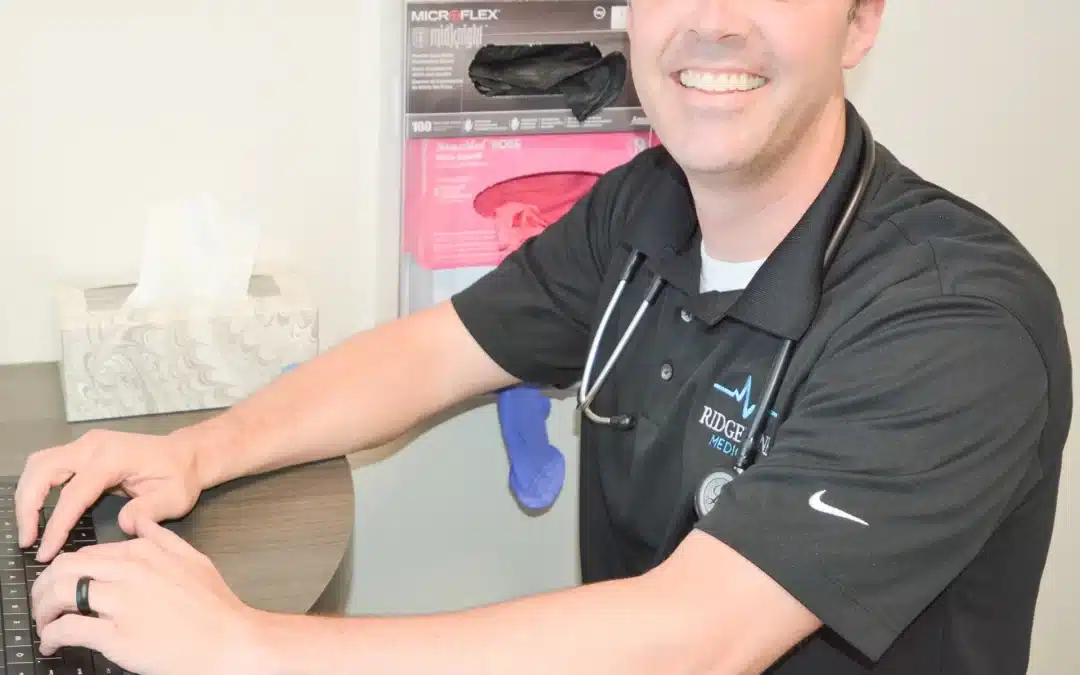
Our Ridgeline Medical Provider, Scott Ulrich, PA-C

Our Ridgeline Medical Provider, Scott Ulrich, PA-C

Our medical team at Ridgeline Medical consists of highly qualified medical professionals who strive to give their patients the highest quality of care. Our providers work together to optimize their patient’s health by creating a relationship with them, genuinely listening, and cultivating a safe place. We provide a range of services that includes everything from yearly wellness visits to broken bones. Our providers consolidate their patient’s medical records to assure a safe treatment plan across the board, making us a unique hub for all of our patient’s medical needs. We want to introduce you to Scott Ulrich, one of our Physician Assistants.

Scott Ulrich was born and raised in Southeast Idaho. After high school, he spent a few years in Brazil and learned Portuguese. In 2003 he attended the LDS Business College in Salt Lake City, UT, then transferred to Idaho State University and completed his undergraduate degree in 2007. In 2009, after taking part in the physician assistant program at ISU, he graduated with his master’s degree.

Over the last 10 years, Scott has worked in primary care, urgent care, and women’s health. He is a great believer in the value of a collaborative, team approach to medicine, and offers high-quality health care to all family members. At Ridgeline Medical, Scott focuses on acute and chronic illnesses, wellness and well-child exams, and performs minor procedures.

His particular medical interests include:

Scott is married and has five children. He and his family are outdoor enthusiasts, and he particularly enjoys camping, fishing, hiking, and playing sports. He also speaks Spanish. We are so happy to have him as part of our Ridgeline Medical team! Contact Ridgeline Medical to make an appointment with Scott Ulrich today.


What is Diabetes?

What is Diabetes?

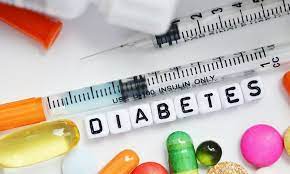
What does it mean to have diabetes? Diabetes is a disease in which the body’s ability to produce or respond to the hormone insulin is impaired. Insulin is released from your pancreas in response to rising glucose (sugar) in your bloodstream. When someone becomes diabetic there body is struggling to produce enough insulin or the insulin they are producing isn’t working properly. 

How do I know if I am diabetic? This is a question that we get often. There are a couple of tests that we run that will show us if you are prediabetic or diabetic. The first test that we run is called a Hemoglobin A1c. This test gives us an average of your blood sugar in the past three months. A normal A1c is 5.7 and below, prediabetes is 5.7-6.4, and diabetic is 6.5 and above. This is a test that is ran with any annual blood work, which is why it is important to have a yearly exam. The second test that can be ran is called a fasting blood sugar test. This test measures your blood sugar after an overnight fast. A fasting blood sugar level of 99 mg/dl or lower is normal, if it is 100-125 mg/dl this indicates you are prediabetic, and 126 mg/dl or higher indicates you have diabetes. The third test that is ran is called a glucose tolerance test. This test is more in depth and can take several hours but tells us how your body is processing sugar in your blood. Running a A1c and fasting glucose is a great way to indicate if you have diabetes but the only way to know for sure if you have diabetes is by running a glucose tolerance test.

What symptoms may I be experiencing if I have diabetes? Most symptoms people experience is frequent urination, increased thirst, increased hunger, blurry vision, numbness or tingling in hand or feet, feel very tired, have very dry skin, have sores that heal slowly, and have more infections than usual. Now here is the hiccup, there are two different types of diabetes you can be diagnosed with.  Type 1 diabetes is usually diagnosed at a young age and it is not very common. A lot of people will have symptoms that develop in a few weeks or months and include nausea, vomiting, or stomach pains. With type 2 diabetes this takes several years to develop and most people don’t even recognize any symptoms.

How do I treat my diabetes? There is many ways to treat diabetes. When diagnosed with type 1 diabetes you can’t reverse it. If you are in a prediabetic stage though you have a chance to reverse it. By changing the way you eat, exercising, and sometimes the help of some medication, you can completely reverse your diabetes. Once you become diabetic (type 2) your body is past that point and you will have to take medication to control your sugar. Some medications include Metformin, Rybelsus, Ozempic, Farxiga, etc. If your pancreas quits working entirely and isn’t producing any insulin or working the way it should you are going to have to give yourself insulin. With all type 1 diabetics this is the case.

If diabetes runs in your family, it is important to watch your diet and to exercise. If you are concerned about your health or have questions please contact our office as our providers value optimal wellness.

About Ridgeline

About Ridgeline

About Ridgeline

Ridgeline’s team consists of highly qualified medical professionals who strive to give their patients the highest quality of care. Our providers work together to optimize their patient’s health by creating a relationship with them, genuinely listening, and cultivating a safe place. We provide a range of services that includes everything from yearly wellness visits to broken bones. Our providers consolidate their patient’s medical records to assure a safe treatment plan across the board, making us a unique hub for all of our patient’s medical needs.

Our Urgent Care Provider Dr. Spencer

Our Urgent Care Provider Dr. Spencer

DR DANNY SPENCER

ABOUT OUR BOARD-CERTIFIED EMERGENCY ROOM PHYSICIAN:

Dr. Danny Spencer was born in Pocatello, ID, and attended Ricks College before serving two years on a mission in Costa Rica, where he learned to speak fluent Spanish.

After earning his exercise physiology degree from Brigham Young University, he attended the Kirksville (MO) College of Osteopathic Medicine. His residency in emergency medicine was at the University of New Mexico School of Medicine in Albuquerque, and he is board certified in emergency medicine. After 17 years in the emergency department in Logan, UT, he returned to live in Idaho, where he is chief of staff at Lost Rivers Medical Center in Arco.

Dr. Spencer is passionate about rural medicine and uses his years of experience with sports medicine and fitness to help patients regain their ability to enjoy the outdoors. He enjoys personal conversations with his patients and their family members and makes it his goal to improve each patient’s quality of life.

He has several particular medical interests:

  • Board Certified Emergency medicine
  • Family medicine
  • Rural medicine
  • Sports medicine
  • Complimentary sports physicals
  • Complimentary mission physicals

WHAT IS THE DIFFERENCE BETWEEN A BOARD-CERTIFIED EMERGENCY ROOM PHYSICIAN AND A NON-CERTIFIED PHYSICIAN?

To become a physician the requirements are:

  • Individuals must graduate medical school
  • Receive postgraduate training 
  • Pass a comprehensive national medical licensing examination

 To become a board-certified emergency room physician the requirements are:

  • Must complete three to five years (or more) of rigorous training in a residency or fellowship training program accredited by the Accreditation Council for Graduate Medical Education
  •  Provide letters of attestation from their program director and/or faculty of their satisfactory performance
  •  Pass a written examination created and administered by an ABMS Member Board
  •  Some certifying boards require physicians to pass an oral examination or simulation exercises
  •  May undergo a review of their patient records and outcomes

DR SPENCER RUNS OUR URGENT CARE

Our urgent care facility is a step above the standard because of the emergency room training our doctors and providers have:

  • On-Site Lab
  • On-Site X-Rays
  • On-Site Sedation
  • Broken Bone Placement
  • Head Injuries
  • IV Hydration

General Urgent Care Needs:

  • Abdominal Pain
  • Allergic Reactions
  • Anxiety & Depression
  • Asthma Attack (Minor to Moderate)
  • Burns (Including Sun Burns)
  • Cold or Cough
  • Constipation
  • Croup
  • Cuts and Stitches
  • Earache or Ear Infection
  • Dizziness/Fainting
  • Diarrhea
  • Fever (Children over 2 months old)
  • Flu
  • Headache or Migraine
  • Ingrown Toenails
  • Insect or Animal Bite
  • Nausea & Vomiting
  • Pelvic Pain
  • Pink Eye
  • Rash
  • Sprains/Strains
  • Stomach Pain
  • Stitches
  • Sore Throat
  • Telemedicine Visits
  • Urinary Tract Infection

Easy Skin Care Routine for Healthy Skin

Easy Skin Care Routine for Healthy Skin

With so many skin care products, how do you know what to use?

What’s Your Type?

The Best Skin Care Regimen for Any Skin Type

How to Choose the Right Epionce Products

The Epionce skin care line addresses common skin concerns using simple products. Choosing the right Epionce regimen depends on your skin type, individual skin conditions or aesthetic goals. One of the benefits of Epionce is that your regimen can be curated to your unique skin care needs. From dry and sensitive to problem skin, there is a perfect skin care regimen for you.

An Epionce Regimen by Skin Type

An Epionce regimen starts with your skin type. General skin type categories are dry to sensitive, normal to combination, and oily to problem. Certain Epionce products are marked with dots to help decipher what skin type they may be best suited for. This system is a general guide to help you find the best products to fit your skin needs based on the characteristics of each.

  • For dry/sensitive skin, select one dot products. Dry skin lacks moisture or can be easily irritated and sensitive. Often red, cracked or tight and dry feeling. It can be challenging to find skin care products that won’t cause irritation.
  • For normal/combination skin, select two dot products. Normal skin is typically hydrated with few blemishes or excess oil. A basic daily skin care regimen helps maintain healthy skin.
  • Oily/problem skin? Three dot products are best. Oily skin is often characterized by blemishes, excess oil production and enlarged pores. Gentle but effective products are key to reducing surface shine and breakouts without stripping the skin of oils necessary for healthy skin.

How to Choose A Skin Care Regimen

It is best to start with the foundation of the Epionce line and philosophy – Renewal Facial products. A Renewal is a powerful, multitasking moisturizer that works to improve visible signs of aging and overall appearance. Therapeutic botanical ingredients provide barrier-boosting oils the skin needs to be healthy. Hyaluronic acid helps retain moisture in the skin.

Depending on your skin needs, products from all four Epionce steps can be added for a complete skincare routine. This includes Cleanse & Prepare, Correct & Boost, Renew & Fortify and Protect & Prevent categories.

The following regimens are general guidelines to help get you started. Your Epionce professional will make more specific recommendations based on a skin assessment. Remember, a great skin care regimen always uses  sunscreen in the morning!

Skin Care Regimen for Dry/Sensitive Skin

Dry/sensitive skin requires products with the right amount of oil and moisture necessary for skin health.

  • Milky Lotion Cleanser is a rich, creamy cleanser that leaves skin feeling hydrated.
  • Balancing Toner adds a boost of botanical humectants for dewy skin.
  • Lite Lytic Tx  is the gentlest Lytic formula to smooth the visible appearance of skin texture and brighten skin tone.
  • Renewal Facial Cream is the richest and most moisturizing of the Renewal formulas and includes hyaluronic acid to improve the visible appearance of fine lines, wrinkles and firmer skin.

Skin Care Regimen for Normal/Combination Skin

Maintain healthy-looking skin by using a consistent daily skin care regimen.

  • Gentle Foaming Cleanser is the go-to for normal or combination skin with a light lather to wash away impurities without stripping skin of natural oils.
  • Balancing Toner gently clears away traces of dirt and makeup from pores and leaves skin calm and hydrated.
  • Lytic Tx is a moderate-strength formula that cleans out pores and reduces visible imperfections.
  • Renewal Facial Lotion contains the same anti-aging benefits of Renewal Facial Cream, but in a lighter formula.

Skin Care Regimen for Oily/Problem Skin

Caring for oily/problem skin is possible with products that help nourish and support skin health.

  • Lytic Gel Cleanser is a NewBeauty® Beauty Choice Award winner for ‘Best Gel Cleanser’ because it calms and refreshes skin, dissolves dirt and oil and doesn’t dry out skin.
  • Purifying Toner has gentle astringent properties and uses Willow Bark Extract to help control surface shine and clean pores of dirt, oil and makeup.
  • Lytic Plus Tx or Lytic Sport Tx are maximum strength formulas to help unclog pores, diminish blemishes and smooth skin texture.
  • Renewal Lite Facial Lotion lightly hydrates but has the same nourishing benefits found in other Renewal Facial products.

Skin Care Regimen for Anti-Aging or Mature Skin

Help slow visible signs of skin aging with a clinically proven daily regimen.

  • Gentle Foaming Cleanser is a go-to for mature skin. The lightly foaming cleanser washes away impurities while protecting natural hydration and oils.
  • Balancing Toner infuses mature skin with humectants that draw in hydration.
  • Lytic Tx and Renewal Facial Cream are clinically proven to have better anti-aging benefit than retinoids in the visible improvement of fine lines, wrinkles and skin clarity.
  • Intensive Nourishing Cream is one of the best anti-aging moisturizers for mature skin that delivers powerful complexes to target signs of aging, hydrates and visibly rejuvenates skin on face, neck and décolletage. It also makes a great night cream.
  • Intense Defense Serum is a cosmetically elegant anti-aging serum that helps reduce fine lines and wrinkles and brighten skin tone without triggering irritation.

Acne Boosts

Skin care products for acne work synergistically with an Epionce regimen and won’t irritate the skin or strip it of healthy oils.

Anti-Aging Boosts

Enhance an anti-aging regimen with these additional steps.

  • The ultra-hydrating Enriched Firming Mask nourishes dry, dull skin and improves the visible appearance of elasticity and firmness, so skin immediately looks more radiant and youthful.
  • Renewal Eye Cream is made specifically for the delicate skin around the eyes to reduce the visible appearance of fine lines, wrinkles, puffiness, and dark circles.

Boosts for Dark Spots

  • botanical-based solution for unwanted dark spots, MelanoLyte Tx is a twice-daily product to help improve the visible appearance of uneven tone.
  • MelanoLyte Pigment Perfection Serum is a hydroquinone-free nighttime serum that works with MelanoLyte Tx to brighten skin tone and help reduce the visible appearance of unwanted dark spots.

Finding the Right Fit

Epionce products were created for all skin types and are customizable based on your needs. It’s important to consult with an Epionce Professional to help tailor a regimen unique to you, and who can explain the correct order to apply products. Whether a specific skin concern like acne, signs of aging or simply maintaining the appearance of healthy skin, you can feel confident you’re getting the most benefit from your daily Epionce routine.

 Tags

Why Botox?

Why Botox?

Why Botox?

Why do people get Botox?

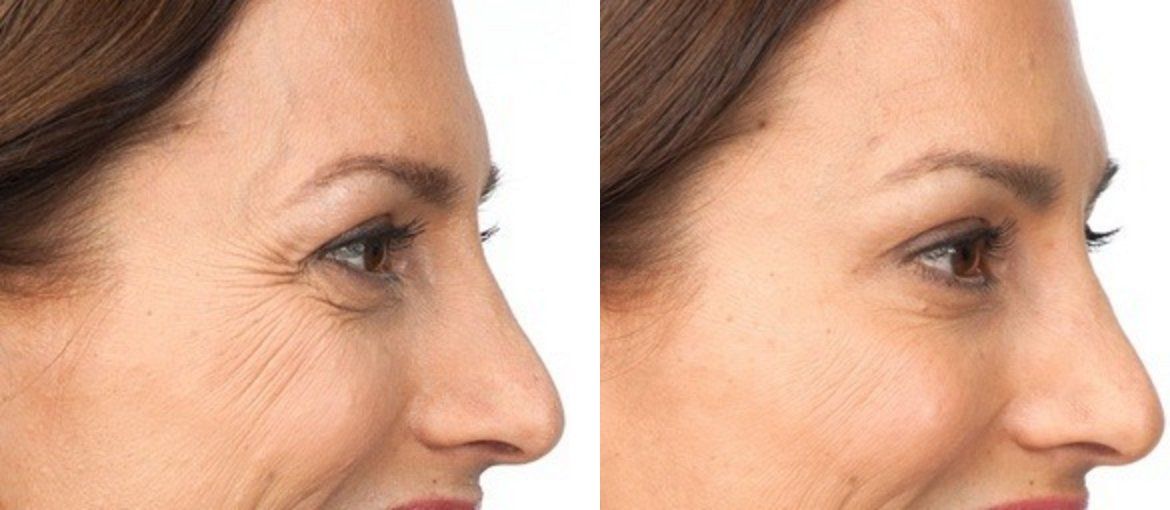
Botox is known as a neuromodulator used to reduce the appearance of fine lines and wrinkles on one’s face.  It relaxes the muscle and therefore prevents the muscles from being able to contract and cause lines around the eyes, across the forehead, and between your eyes, and even helps prevent the downturn of your smile, smooth out your chin, and create a smooth youthful appearance to the skin. It quite simply erases fine lines and wrinkles like a magic eraser!

How long does it last? 

Botox or other neuromodulator brands like Dysport, Xeomin, Jeveau last anywhere from 3-6 months and do need to be repeated to achieve the consistent relaxation of the muscle it is being injected into.  It will take approximately 3-7 days to start working and should be re-evaluated in 3-4 months to maintain the relaxation of the muscle and the smoothing of the fine lines and wrinkles in the area it is injected.

What areas are most effectively treated with neuromodulators like Botox?

The best areas to have treated are around the eyes (crow’s feet), between the eyes (the 11 lines or grumpy eyes), along the forehead for forehead creases and wrinkles, the bunny lines across the nose, the chin when the skin appears “cobblestone appearance”, and in the downturned angles of the mouth preventing the downturned smile that can appear with aging. 

How much does it cost?

The cost for Botox at Ridgeline Medical is $10 per unit.  A typical cost for between the eyes is 20 Units or $200, the forehead is typically 10-20 units or $100/$200, around the eyes to the crow’s feet is generally 12 units or $120, chin is generally only 8 units or $80, a lip flip is generally only 4-8 units or $40-$80 (*note a lip flip only last approximately 6 weeks not the 3-6 months the other areas last).

Does it hurt?

Botox is injected into the muscle (a very superficial, ie not deep) injection with a super fine needle and is very quick and relatively painless when done with the correct technique.  The whole procedure generally takes no more than 10 minutes. 

What are the restrictions after having Botox?

Your provider will encourage you not to take ibuprofen, you can take Tylenol if you feel a slight headache or any residual pain, which is very rare.  You will need to not lay on your face or have a massage or exercise heavily that same day of injection.  You will be discouraged from putting a hat on as you do not want the areas injected to have pressure applied as the neurotoxin needs to stay in place where it was injected for full effect and to prevent it from drifting to an unintended area. 

What are the potential complications that can occur?

There could be mild redness, bruising, and swelling after the injections.  Do not plan Botox right before a big event, give yourself a 2-week lead time in case you need to allow bruising to resolve.  There is a chance the Botox can drift into an unintended muscle and eyelid droop may occur.  This is a rare complication but can occur.  There is no way to reverse neuromodulators once injected, but the results are not permanent, as the neuromodulator will slowly degrade and no longer be effective in 3-6 months.  In some instances an eye drop can immediately be applied to the eye to try to lessen the side effect of the eyelid drooping.  Correct placement by a skilled provider is important. 

Does Ridgeline do Botox?

Yes, our Nurse Practitioner Christina Finnerty FNP does Botox.  She has been injecting Botox and other neuromodulators for over 15 years and would absolutely love to help you feel beautiful in the skin you are in!!!

Make an appointment today!  If you are not sure what you would need, you can make a consultation appointment first for $50 for 30-minute consult and if you book treatment $25 is applied toward your treatment if done on a separate day.  If done the same day the consultation fee is waived.