
Fix Your Sleep, Save Your Life with Dr. Greg Jones & Christina Finnerty, FNP

Fix Your Sleep, Save Your Life with Dr. Greg Jones & Christina Finnerty, FNP

The Hidden Impacts of Sleep Apnea on Your Health

Dr. Greg Jones with Christina Finnerty, FNP

Sleep is one of the most important foundations of overall health, yet millions of people struggle with undiagnosed or untreated sleep disorders. In a recent podcast episode, Dr. Jones sat down with Christina Finnerty, FNP-C, to explore the far-reaching effects of sleep apnea and how integrative approaches can support healing.

Key Takeaways

  • Sleep apnea affects more than rest: Untreated obstructive sleep apnea (OSA) can harm heart, brain, metabolism, and accelerate aging.

  • Wide-ranging health impacts: OSA increases risks for cardiovascular disease, cognitive decline, insulin resistance, and chronic illness.

  • Beyond CPAP treatment: Integrative approaches, including diagnostics, regenerative therapies, supplements, and lifestyle changes, can support healing and long-term wellness.

  • Personalized care matters: Functional medicine providers like Christina Finnerty, FNP-C, focus on root causes and tailored treatment plans for sustainable health.

  • Holistic health benefits: Addressing sleep apnea properly improves overall quality of life, longevity, and recovery across multiple body systems.

Watch the full conversation with Dr. Greg Jones and Christina Finnerty here on the podcast:

Why Sleep Apnea Matters

Obstructive sleep apnea (OSA) is more than just loud snoring or interrupted rest. Christina explained that untreated sleep apnea can accelerate aging, harm your heart, and even impact your brain. Studies show that OSA is linked to higher risks of cardiovascular disease, metabolic problems, cognitive decline, and chronic illness. Over time, these effects can shorten both lifespan and quality of life.

How Sleep Apnea Affects the Body

When the airway is blocked during sleep, oxygen levels drop. This repeated stress affects multiple systems in the body:

  • Brain health: Increases the risk of memory loss and cognitive decline
  • Heart health: Raises the likelihood of high blood pressure, heart attack, and stroke
  • Metabolism: Contributes to insulin resistance and weight gain
  • Aging: Speeds up biological aging by putting stress on cells and organs

Beyond CPAP: Exploring Alternative Options

While CPAP machines are a common treatment, Christina highlighted that there are other ways to approach sleep apnea. Functional and integrative medicine can include:

  • Diagnosticssuch as GI mapping, lipid panels, body composition analysis, and cardiac CT (by referral) to uncover root causes
  • Regenerative therapieslike peptides to support healing and nervous system balance
  • Targeted supplementsto improve sleep quality and reduce inflammation
  • Lifestyle changesfocused on nutrition, exercise, and stress management

These strategies work together to not only manage symptoms but also improve long-term health and recovery.

The Role of Personalized Care

Christina Finnerty, FNP-C, brings a unique perspective as a functional medicine provider. She focuses on understanding the root causes of sleep issues and creating sustainable wellness plans. Her expertise extends beyond sleep apnea to include autoimmune conditions, chronic pain, inflammation, brain health, and overall longevity.

FAQs About Sleep Apnea and Functional Medicine

What are the signs of obstructive sleep apnea (OSA)?

Common symptoms include loud snoring, frequent waking during the night, morning headaches, excessive daytime sleepiness, irritability, and difficulty concentrating.

How does untreated sleep apnea affect long-term health?

If left untreated, OSA can increase the risk of cardiovascular disease, insulin resistance, weight gain, memory loss, and accelerated aging.

Are CPAP machines the only treatment option for sleep apnea?

No. While CPAP is widely prescribed, functional medicine offers additional approaches such as regenerative therapies, targeted supplements, and lifestyle changes that can improve sleep and overall wellness.

What testing can help identify underlying issues related to sleep apnea?

Advanced diagnostics like GI mapping, lipid panels, body composition analysis, and cardiac CT (by referral) may reveal contributing factors to sleep and health challenges

Can functional medicine help with conditions beyond sleep apnea?

Yes. Providers like Christina Finnerty, FNP-C, also support patients with autoimmune conditions, inflammation, pain, brain health, and overall nervous system balance.

The information provided in this blog is for educational and informational purposes only and is not intended as a substitute for professional medical advice, diagnosis, or treatment. Always seek the advice of your physician or another qualified health provider with any questions you may have regarding a medical condition or treatment.


Ridgeline Aesthetics

Ridgeline Aesthetics

Look and feel amazing in your own skin again

We have so many exciting things to offer at Ridgeline Medical other than your primary and urgent care needs. We are now offering a wide variety of AESTHETICS!

Many of you reading this probably think aesthetics is just for women but, we have plenty of things for men as well. Don’t miss out on our amazing package deals and what we have to offer. We are so excited to help you all get back to looking and feeling amazing in your own skin!!

Call our office and make an appointment for a consultation at 208-715-9990 extension 3. We can’t wait to hear from you!


What Exactly Does Intermittent Fasting Mean?

What Exactly Does Intermittent Fasting Mean?

Why is everyone talking about “fasting”, isn’t that bad for you???

What is intermittent fasting? Does it have health benefits?

Answer From Manpreet Mundi, M.D.

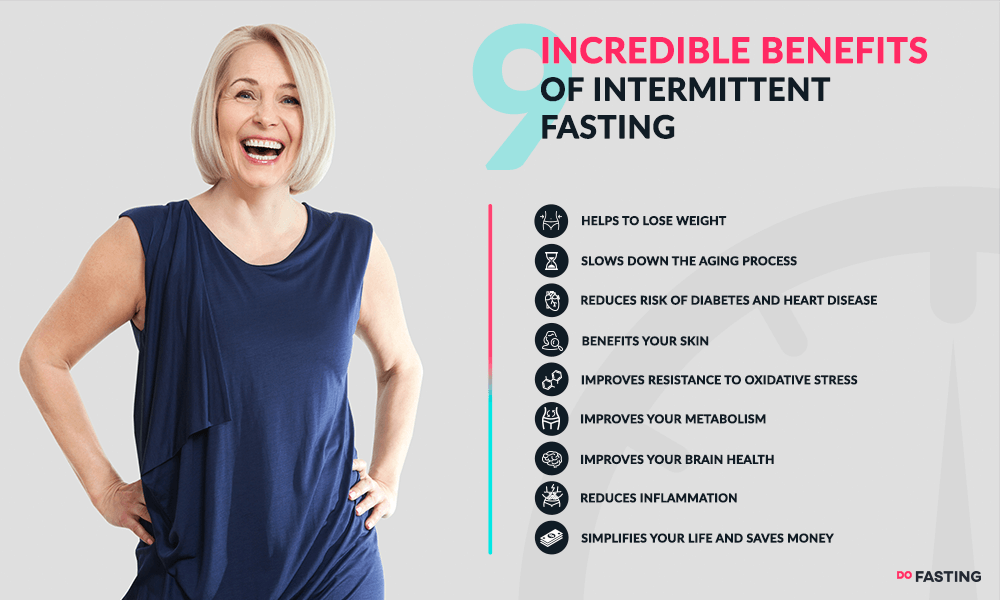
Intermittent fasting means that you don’t eat for a period of time each day or week. Some popular approaches to intermittent fasting include:

  • Alternate-day fasting. Eat a normal diet one day and either completely fast or have one small meal (less than 500 calories) the next day.
  • 5:2 fasting. Eat a normal diet five days a week and fast two days a week.
  • Daily time-restricted fasting. Eat normally but only within an eight-hour window each day. For example, skip breakfast but eat lunch around noon and dinner by 8 p.m.

Some studies suggest that alternate-day fasting is about as effective as a typical low-calorie diet for weight loss. That seems reasonable because reducing the number of calories you eat should help you lose weight.

Can intermittent fasting improve your health? Losing weight and being physically active help lower your risk of obesity-related diseases, such as diabetes, sleep apnea, and some types of cancer. For these diseases, intermittent fasting seems to be about as beneficial as any other type of diet that reduces overall calories.

Some research suggests that intermittent fasting may be more beneficial than other diets for reducing inflammation and improving conditions associated with inflammation, such as:

  • Alzheimer’s disease
  • Arthritis
  • Asthma
  • Multiple sclerosis
  • Stroke

It’s important to note that intermittent fasting can have unpleasant side effects, but they usually go away within a month. Side effects may include:

  • Hunger
  • Fatigue
  • Insomnia
  • Nausea
  • Headaches

Intermittent fasting is safe for many people, but it’s not for everyone. Skipping meals may not be the best way to manage your weight if you’re pregnant or breastfeeding. If you have kidney stones, gastroesophageal reflux, diabetes, or other medical problems, talk with your doctor before starting intermittent fasting.

Fasting is any period of time that you are not eating, so intermittent fasting is simply alternating cycles of fasting and eating. Intermittent fasting has recently been rediscovered as a highly effective weight loss method, and new research confirms its many healthy benefits. In 2019, it was Google’s most searched for weight loss term, and also prominently reviewed in The New England Journal of Medicine, the most influential medical journal in the world.

There is nothing new about fasting. It is one of the oldest dietary interventions and has been part of the practice of virtually every culture and religion on earth. Indeed, the word ‘break-fast’ means the meal that breaks your fast, referring to the fasting period between the evening meal and the first meal of the next day.

Since 2010, the number of online searches for “intermittent fasting” has increased by over 10,000%, as people recognize the significant health benefits, including weight loss and type 2 diabetes reversal.

Who are some good people to follow to learn more about intermittent fasting or “IMF” for short:

Well for starters many of our providers and staff here at Ridgeline Medical do intermittent fasting themselves, so they can teach it to you firsthand as this is how many of them live their day-to-day lifestyles.  In addition, our health care provider and Nurse Practitioner Christina Finnerty has a program designed for individuality and follow-up to help you reach your weight loss and optimal wellness health goals. 

Call now and make an appointment today to learn more and get your customized plan so you too can live your best life! 

People suggested following up on YouTube to learn more about the health benefits and how to do intermittent fasting safely and effectively. 

https://www.youtube.com/user/drjasonfung

Dr. Jason Fung is a Canadian nephrologist. He’s a world-leading expert on intermittent fasting and low carb, especially for treating people with type 2 diabetes. He has written three best-selling health books and he co-founded the Intensive Dietary Management program. Dr. Fung has his own website at IDMprogram.com.

Dr. Jason Fung, author of The Diabetes Code, The Obesity Code, The Cancer Code and Life in the Fasting Lane.

Dr. Mindy Pelz – YouTube

Dr. Mindy Pelz, D.C. is a bestselling author, nutrition and functional medicine expert who’s spent over two decades helping thousands of people successfully reclaim their health.