
Better Sleep, Better Health with Sleep Care at Ridgeline

Better Sleep, Better Health with Sleep Care at Ridgeline

Do you wake up feeling exhausted, struggle to stay awake during the day, or experience frequent headaches in the morning? Poor sleep quality can have a significant impact on your health, leading to issues like high blood pressure, weight gain, and even an increased risk of heart disease. At Ridgeline Medical, we understand the critical role sleep plays in your overall well-being, which is why our sleep specialist, Christina Finnerty, FNP, is here to help you identify and address the root causes of your sleep concerns.

Key Takeaways:

  • Sleep disorderscan contribute to serious health riskslike heart disease, diabetes, and cognitive impairment.

  • Common signs of a sleep disorder include snoring, restless legs, excessive daytime sleepiness, and difficulty staying asleep.

  • Ridgeline Medical offers in-office sleep carewith Christina Finnerty, FNP, who specializes in diagnosing and treating sleep conditions.

  • Early intervention is key—getting help now can improve your quality of life and prevent long-term health complications.

Could You Have a Sleep Disorder?

If you are experiencing any of the following symptoms, a sleep condition could be affecting your health:

  • Difficulty falling asleep or staying asleep

  • Waking up feeling more tired than when you went to bed

  • Morning headaches

  • Excessive daytime drowsiness

  • Snoring or being told you stop breathing in your sleep
  • Waking up with a racing heart

  • Restless legs or constant movement at night

  • Frequent nightmares

  • Tossing and turning all night long

Left untreated, sleep disorders can lead to serious health consequences. Studies show that untreated sleep apnea increases the risk of heart attacks and strokes by 50%and raises the likelihood of motor vehicle accidents to levels higher than drunk driving. Obstructive sleep apnea (OSA)is also associated with heart failure, atrial fibrillation, high blood pressure, and even cognitive decline. Alarmingly, an estimated 80% of people with sleep apnea remain undiagnosed, putting them at risk for long-term complications. Poor sleep has also been directly linked to reduced work performance and increased risks of chronic conditions such as hypertension, diabetes, and depression.

Why Choose Ridgeline Medical for Sleep Care?

At Ridgeline Medical in Idaho Falls, ID, we prioritize comprehensive and compassionate sleep care. Our sleep specialist, Christina Finnerty, FNP, is highly experienced in diagnosing and managing sleep disorders. We follow evidence-based guidelines, ensuring that our patients receive the highest level of care tailored to their unique needs.

Our team provides a thorough evaluation of your sleep patterns and symptoms, working to identify underlying health conditions that may be contributing to your sleep disturbances. By creating a personalized treatment plan, we help patients find effective solutions for achieving restful sleep. With convenient in-office consultations, you won’t have to wait months for answers—Ridgeline Medical is here to provide timely and effective sleep care.

Healthy Sleep Habits & Lifestyle Tips

Improving sleep quality often starts with small, consistent changes to daily habits. Here are some key tips for better rest:

  • Maintain a regular sleep schedule– Going to bed and waking up at the same time every day helps regulate your body’s internal clock.

  • Create a relaxing bedtime routine– Activities like reading, stretching, or meditation can help signal to your body that it’s time to sleep.

  • Limit screen time before bed– The blue light from phones and tablets can interfere with melatonin production, making it harder to fall asleep.

  • Avoid caffeine and heavy meals before bedtime– Stimulants and large meals can disrupt sleep quality.

  • Keep your bedroom cool and dark– A comfortable sleeping environment promotes deeper, uninterrupted sleep.

  • Exercise regularly– Physical activity during the day can help you fall asleep faster and improve sleep quality.

Frequently Asked Questions About Sleep Care

What are some common sleep disorders?

Common sleep disordersinclude insomnia, sleep apnea, restless legs syndrome, narcolepsy, and parasomnias(such as sleepwalking or night terrors). Each of these conditions can significantly impact your health if left untreated.

How do I know if I have sleep apnea?

Symptoms of sleep apneainclude loud snoring, choking or gasping during sleep, excessive daytime sleepiness, and morning headaches. A sleep evaluationcan determine if you have this condition.

Can poor sleep affect my overall health?

Absolutely! Chronic sleep deprivationis linked to high blood pressure, heart disease, weight gain, diabetes, depression, and memory problems. Addressing sleep disorderscan improve both your immediate well-beingand long-term health.

What treatments are available for sleep disorders?

Treatment depends on the specific condition but may include lifestyle changes, medical devices (such as CPAP for sleep apnea), medications, or behavioral therapy. Our sleep specialist at Ridgeline Medicalwill work with you to develop the best treatment planfor your needs.

Getting a good night’s rest isn’t just about feeling refreshed—it’s about protecting your health. If you’re experiencing sleep problems, Ridgeline Medical is here to help. Let us guide you toward a healthier, more restful life! Don’t wait any longer-your health depends on it! Contact Ridgeline for an appointment today and start your journey towards better sleep and better health!

The information provided in this blog is for educational and informational purposes only and is not intended as a substitute for professional medical advice, diagnosis, or treatment. Always seek the advice of your physician or another qualified health provider with any questions you may have regarding a medical condition or treatment.

Sleep Better with these Solutions!

Sleep Better with these Solutions!

In the hustle and bustle of our modern lives, one crucial aspect often gets overlooked – sleep. We live in a world that glorifies productivity and achievement, often at the cost of our precious sleep. However, it’s time to recognize that sleep is not a luxury; it’s a fundamental pillar of our overall well-being. Certain health conditions can cause sleep issues to occur includingelevated blood pressure, depression, anxiety, weight gain, diabetes, hormone imbalances, and chronic pain. Just like a well-balanced diet and regular exercise, sleep care deserves our attention and commitment! With the experienced providers at Ridgeline Medical, we can help you get the amount of sleep you want and the quality of sleep your body needs!

Understanding the Importance of Quality Sleep:

Sleep isn’t merely a state of rest; it’s a complex physiological process that rejuvenates both our bodies and minds. During sleep, our brains consolidate memories, repair tissue, and release essential hormones. Insufficient or poor-quality sleep can lead to a range of health issues, including increased stress, weakened immune function, impaired cognitive abilities, and a higher risk of chronic diseases like diabetes and cardiovascular disorders. Did you know that there is a 50% higher risk of heart attack and stroke with untreated sleep apnea? There is also a direct correlation with a higher risk of motor vehicle accidents and poor work performance in those who are lacking quality sleep at night.

Crafting a Sleep-Friendly Lifestyle:

1. Consistent Sleep Schedule: Our bodies thrive on routine. Going to bed and waking up at the same time every day helps regulate our internal body clock, making it easier to fall asleep and wake up naturally.

2. Create a Relaxing Bedtime Ritual: Engage in calming activities before bed, such as reading, meditating, or taking a warm bath. These rituals signal to your body that it’s time to wind down.

3. Mind Your Diet: Avoid heavy meals, caffeine, and alcohol close to bedtime. These substances can disrupt your sleep or make it harder to fall asleep.

4. Create a Sleep-Conducive Environment: Keep your bedroom dark, quiet, and at a comfortable temperature. Invest in a comfortable mattress and pillows that support your preferred sleeping position.

5. Embracing Technology for Sleep Tracking: Technology has brought us various tools that can aid in improving our sleep. Wearable devices and smartphone apps can track your sleep patterns, providing insights into your sleep quality, duration, and disruptions. With this data, you can identify patterns and adjust your sleep routine accordingly.

6. Managing Stress for Better Sleep: Stress and sleep are deeply interconnected. Chronic stress can lead to insomnia, while lack of sleep can increase stress levels. Engage in stress-reducing activities such as yoga, deep breathing exercises, and mindfulness meditation to promote a peaceful mind before bed.

When to Seek Professional Help

If you’ve tried various strategies and still struggle with sleep, it might be time to consult with our Ridgeline Medical sleep care professional, Christina Finnerty, FNP. Sleep disorders like insomnia, sleep apnea, or restless leg syndrome require specialized treatment. At Ridgeline, we can also help with sleep issues such as:

-Having a hard time getting to sleep or staying asleep
-Waking up more tired than when you went to bed
-Waking up with morning headaches
-Feeling sleepy or falling asleep during the daytime
-Being told you snore or stop breathing in your sleep
-Waking up in the middle of the night with your heart racing
-Restless irritable legs that you can’t get to relax or stop moving
-Tossing and turning in your sleep all night
-Nightmares

We can help diagnose the issue and recommend appropriate interventions to improve the quantity and quality of your sleep!

The Bottom Line: Prioritize Sleep Care

In the pursuit of a fulfilling and healthy life, don’t underestimate the importance of sleep care. It’s not a sign of laziness to prioritize rest; it’s an essential step towards achieving your goals with a clear mind and a vibrant body. Incorporate sleep care into your daily routine, and watch as your overall well-being flourishes. Remember, a good night’s sleep isn’t just a luxury – it’s a vital investment in yourself. 

Our sleep specialist Christina Finnerty, FNP, would love to help you get to the root cause of your sleep conditions! If you have any questions about sleep care or are experiencing any issues with your sleep, contact Ridgeline Medical at 208-715-9990 for help! Don’t wait any longer, your health depends on it. Schedule your consult today and get to the possible root cause of your sleep issues.

Ridgeline Urgent Care- Here For You When You Need Us

Ridgeline Urgent Care- Here For You When You Need Us

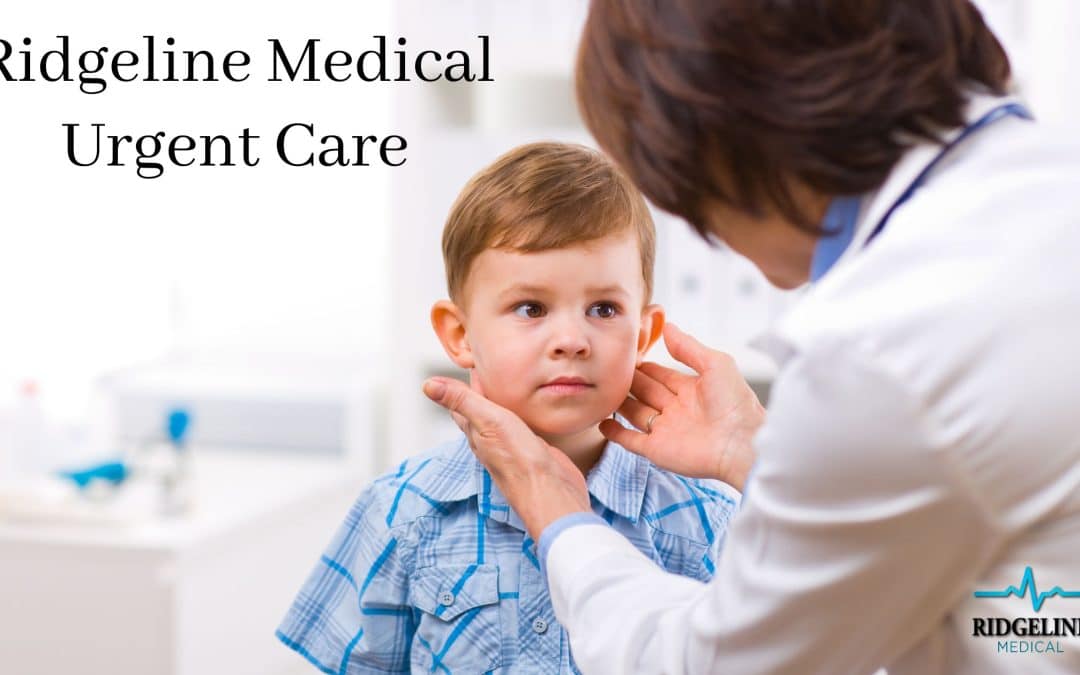
Ridgeline Urgent Care offershealth services without an appointment for when accidents or other urgent health issues arise. Ourproviders have extensiveemergency room experience and have the expertise and knowledge to help you in your time of need. The staff has developed the skills and attitudes that make your trip to our urgent care facility valuable and effective.

What Makes Our Urgent Care Different?

  • In-House X-Ray with Same Day Results
  • In-House Lab Rapid Results (Blood & Urine)
  • Emergency Room Certified Doctors (Saving you money from costly Emergency Room bills!)
  • Continuity of Care Between Family Care & Urgent Care Providers

What Does Ridgeline Urgent Care Treat?

At Ridgeline Medical, the urgent care treats general ailments such as minor to moderateasthma attacks, burns, constipation, cuts, ear infections, fever, influenza, headaches, stomach illnesses or pain, respiratory illnesses, pelvic pain, sports injuries, sprains, fractures, back pain, tract infections, yeast infections, and much more. We can even help with IV hydration when needed!

Why Use Ridgeline Urgent Care?

Ridgeline Medical is a Family Practice and an Urgent Care facility. When a patient comes in for an urgent care visit, our providers have access to their medical history and treatments that have been provided from their family care providers at Ridgeline Medical.  This includes access to important information such as blood work, medications, allergies, and other specific details of their health care.

Also, if a patient comes in to the urgent care and needs follow-up care the next week, the family care providers have access to what diagnosis was made, lab results, and what medication and treatment was given. We are able to collaborate together to help patients get the right diagnosis and treatment plan as quickly as possible. With more information on the patient’s medical history, they are able to deliver the best quality and continuity of care.

Stefanie S. shared this review of Ridgeline Medical’s Urgent Care services: “Dr. Spencer and the Ridgeline staff were so welcoming and made us feel right at home! The nurse even brought a box of toys and goodies for the kids to choose from while we waited. Dr. Spencer was wonderful with my 3 and 5 year old. They weren’t scared one bit with his friendly and outgoing personality. He was thorough, direct and made me feel like he was taking care of one of his own children. Very impressed with Ridgeline [Medical] Care!”

Ridgeline Medical’s urgent care is open extended hours to be here for you when you need us. Our urgent care hours are Monday-Friday from 8 AM – 8 PM, and on Saturday from 9 AM – 6 PM. Whether you need lab work done, x-rays, or an exam for an urgent health issue, Ridgeline Medical can help you to start feeling better!


woman patient
A Healthy Heart is a Happy Heart!

A Healthy Heart is a Happy Heart!

According to statistics, heart disease is the leading cause of death for both men AND women in the United States! About 1.5 MILLION heart attacks and strokes happen every year in the US. Approximately one American dies from stroke every 4 minutes on average. Following a heart attack, approximately 1 in 4 women will die within the first year, and 1 in 5 men. The statistics are definitely alarming! February is American Heart Month, so we want to pass along some facts about heart health and some tips to help you take good care of your heart.

Many Americans have risks for cardiovascular disease and stroke. Some of these risks include:

      • Obesity
      • Physical Inactivity
      • High Blood Pressure
      • Smoking
      • High Cholesterol
      • Diabetes
      • Family history- Father or brother had heart disease before 55, mother or sister had heart disease before 65
      • Age- Men over 45 and women over 55 are at higher risk

The good news, many of the major risks for these conditions can be prevented and controlled through healthy lifestyle changes! Here are some things you can do to help practice healthy living habits and reduce your risk of heart disease or stroke.

  1. Follow the “ABCS” of heart health! A- Take Aspirin if directed. Ask your health care professional if aspirin could help reduce your risk of heart attack or stroke. Be sure to include your family history as well as your own history. B- Blood Pressure Control. High blood pressure increases your risk for heart attack or stroke more than any other risk factor. Check your blood pressure frequently, and ask your health provider about your numbers and if medication or other lifestyle changes are needed to help keep your blood pressure under control. C. Cholesterol management. Your body needs cholesterol, but too much cholesterol can build up in your arteries and cause heart disease. Talk to your doctor about checking your levels regularly and using medications or other means to help lower it if needed. S. Stop Smoking. Smoking raises your blood pressure, increasing your risk for heart attacks and strokes.

2. Eat a healthy diet. Eating a variety of foods rich in nutrients like potassium, calcium, magnesium, fiber, and protein and lower in sodium and saturated fat can help keep your blood pressure low and protect against heart disease and stroke. Choose foods that are low in trans fat and sodium (less than 2,300 mg of sodium per day or only 1500 mg of sodium per day if you are 51 or older or have other medical conditions). Make sure to load up on fruits and vegetables, and seek out recipes that are healthy, fresh, and flavorful. Check out this heart-healthy recipe for Hawaiian Huli Huli Chicken!https://healthyeating.nhlbi.nih.gov/recipedetail.aspx?linkId=12&cId=2&rId=126

3. Maintain a healthy weight.  Staying physically active can help you control your weight and strengthen your heart. If you are just beginning to get started being physically active, try walking for 10 minutes, 3 times a day, for 5 days a week. Slowly increase your activity as tolerated and directed by your healthcare provider.

4. Limit alcohol use. Heart health experts suggest no more than one drink a day for women and two for men.  (1 oz of hard liquor, 4 oz. of wine, or 12 oz. of beer = 1 drink)

5. Manage stress. Try finding ways to reduce stress in your life. Meditation, yoga, or talking to someone can be good options for relieving stress. Make sure to also get enough sleep and allow time for yourself.


Through lifestyle changes, medications, and regular doctor appointments, you can help reduce your risk of heart attack or stroke! At Ridgeline Medical, we can help evaluate your heart health and risk of heart attack to find the right treatment plan for you. Ridgeline’s team consists of highly qualified medical professionals who strive to give their patients the highest quality of care to people of all ages. Our providers work together to optimize their patient’s health by creating a relationship with them, genuinely listening, and cultivating a safe place. Contact us at 208-715-9990  or text us at 208-203-7113 with questions about heart health or any of our other healthcare services!

Some content is provided by health.gov and cdc.gov. 


Nutrition Tips for the New Year!

Nutrition Tips for the New Year!

2023 is in full swing and many people have already set their goals or are currently working on setting new goals. According to the latest Gallup poll, 7 in 10 Americans plan to set goals in 2023. Of those goal-setters, 80% are setting health or nutrition goals!

Clearly, there are many of us who want to be healthier in 2023, and eating nutritiously is a huge part of a healthy lifestyle! The CDC lists the following benefits to eating a nutritious diet:

  • May help you live longer
  • Keeps skin, teeth, and eyes healthy
  • Supports muscles, strengthens bones, and boosts immunity
  • Lowers risk of heart disease, type 2 diabetes, and some cancers
  • Supports healthy pregnancies and breastfeeding
  • Helps the digestive system function
  • Helps achieve and maintain a healthy weight

In children, there are even more benefits to eating a healthy diet including supporting healthy growth and brain development! Everyone knows that eating healthy is important, but sometimes it can be hard to stick to your healthy diet goals. We want to pass along some tips to help you keep your nutrition goals this year!

1. MAKE A PLAN – Map out your meals and snacks for the week and make sure you have the necessary ingredients.

2. SHOP SMART – Stick to the grocery list and shop for healthy, whole foods.  A healthy diet includes regularly eating vegetables, fruits, whole grains, protein, low-fat milk, nuts, seeds, and fatty fish such as salmon.

3. GET COOKING – Prepare meals at home with fresh ingredients. Diets high in ultra-processed foods can contribute to obesity, type 2 diabetes, heart disease, and other chronic conditions. These foods contain low quality ingredients such as added sugar, fats, and refined grains which usually means they are low in fiber, protein, and micronutrients. 

4. EAT MINDFULLY – Enjoy each bite and take your time. Stop eating when you feel full. Drinking water before and during your meal can also help with digestion.

5. STAY HYDRATED – Drink plenty of water throughout the day. Staying hydrated helps your body function optimally. Limit sugary drinks such as soda, fruit juices, and sweetened tea.

6. MAINTAIN GOOD GUT HEALTH – A disruption in gut health has been linked to chronic diseases and digestion problems. Eating probiotic-rich foods such as yogurt and sauerkraut as well as fiber can help maintain good health in your gut.

7. ENSURE VITAMIN D INTAKE – Vitamin D levels can help with bone strength, and depression, and can boost your immune system and lower your risk for cancer. Milk, calcium-fortified orange juice, and salmon are all good sources of vitamin D. It is a good idea to get your levels tested so you can use supplements, if necessary.

The more scientists know about health, the more they understand how nutrition can affect you from day to day. If you are ready to take control of your eating and nutrition, Ridgeline Medical can help you deal with hunger, weight loss, sleepiness, and related issues through a broad spectrum of programs, tests, and therapies. Ridgeline offers individualized Nutritional Counseling, weight loss programs, diagnostics testing, fasting education and support, and hormonal therapy and balancing. Ridgeline Providers consist of highly qualified professionals who strive to give the highest quality of care to people of all ages. Contact us at 208-715-9990 for more information about our nutrition or other healthcare services!

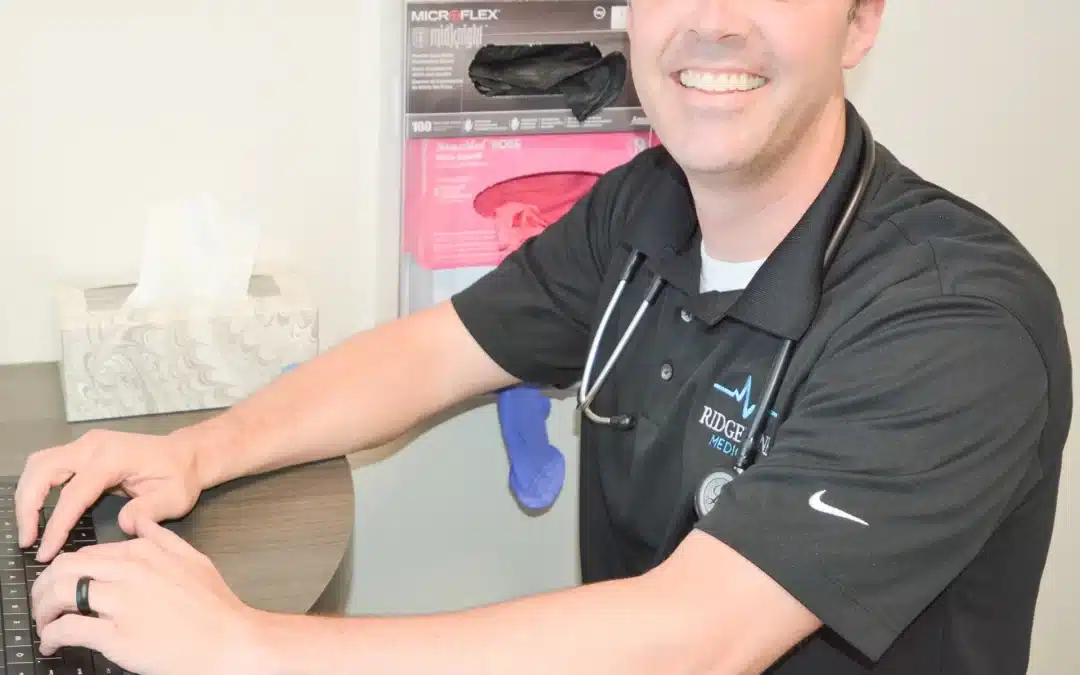
Our Ridgeline Medical Provider, Scott Ulrich, PA-C

Our Ridgeline Medical Provider, Scott Ulrich, PA-C

Our medical team at Ridgeline Medical consists of highly qualified medical professionals who strive to give their patients the highest quality of care. Our providers work together to optimize their patient’s health by creating a relationship with them, genuinely listening, and cultivating a safe place. We provide a range of services that includes everything from yearly wellness visits to broken bones. Our providers consolidate their patient’s medical records to assure a safe treatment plan across the board, making us a unique hub for all of our patient’s medical needs. We want to introduce you to Scott Ulrich, one of our Physician Assistants.

Scott Ulrich was born and raised in Southeast Idaho. After high school, he spent a few years in Brazil and learned Portuguese. In 2003 he attended the LDS Business College in Salt Lake City, UT, then transferred to Idaho State University and completed his undergraduate degree in 2007. In 2009, after taking part in the physician assistant program at ISU, he graduated with his master’s degree.

Over the last 10 years, Scott has worked in primary care, urgent care, and women’s health. He is a great believer in the value of a collaborative, team approach to medicine, and offers high-quality health care to all family members. At Ridgeline Medical, Scott focuses on acute and chronic illnesses, wellness and well-child exams, and performs minor procedures.

His particular medical interests include:

Scott is married and has five children. He and his family are outdoor enthusiasts, and he particularly enjoys camping, fishing, hiking, and playing sports. He also speaks Spanish. We are so happy to have him as part of our Ridgeline Medical team! Contact Ridgeline Medical to make an appointment with Scott Ulrich today.