

Stay Healthy While Traveling With These Tips!

Stay Healthy While Traveling With These Tips!

Health Travel Safety Tips: Your Guide to Staying Healthy on the Go

Traveling can be exhilarating, whether you’re exploring new cultures or taking a well-deserved vacation. However, it’s essential to prioritize your health while traveling to ensure a smooth and enjoyable experience. At Ridgeline Medical, we understand the importance of staying healthy on the go. That’s why we’ve compiled these essential health travel safety tips to help you make the most of your journey:

1. Consult with Your Healthcare Provider Before Travel:

Before embarking on your trip, schedule a visit with your healthcare provider. Discuss any pre-existing medical conditions, medications you’re taking, and vaccinations recommended for your destination. Your healthcare provider can offer personalized advice to help you stay healthy during your travels.

2. Pack a Travel Health Kit:

Prepare a travel health kit containing essential items such as:

  • Prescription medications (enough for the duration of your trip)
  • Over-the-counter medications for common ailments like pain, allergies, and motion sickness
  • First-aid supplies (bandages, antiseptic wipes, etc.)
  • Hand sanitizer and disinfectant wipes
  • Sunscreen and insect repellent

Having these items on hand can be invaluable, especially in locations where access to medical supplies may be limited.

3. Stay Hydrated and Eat Well:

Maintaining good hydration and nutrition is crucial while traveling. Drink plenty of water, especially in warm climates or during physical activities. Be cautious of consuming local foods and beverages that may not agree with your digestive system. Opt for freshly prepared foods and bottled water from reputable sources.

4. Protect Yourself from Illness:

Minimize your risk of illness by practicing good hygiene habits:

  • Wash your hands frequently with soap and water, especially before eating or touching your face.
  • Use hand sanitizer when soap and water are not available.
  • Avoid close contact with individuals who are sick.

5. Stay Active and Get Sufficient Rest:

Traveling can disrupt your usual sleep and exercise routine. Make an effort to stay active by walking, hiking, or exploring your destination on foot. Aim for adequate rest to support your immune system and overall well-being.

6. Protect Yourself from Sun and Insects:

Sunburn and insect bites can put a damper on your travel plans. Wear sunscreen with a high SPF, and reapply regularly, especially if swimming or sweating. Use insect repellent containing DEET or picaridin to ward off mosquitoes and other biting insects.

7. Be Prepared for Emergencies:

Research local emergency services and healthcare facilities at your destination. Save emergency contact numbers in your phone and carry a copy of your travel insurance information. Consider enrolling in a travel assistance program for additional support in case of medical emergencies or travel disruptions.

8. Stay Informed about Travel Health Alerts:

Stay updated on travel advisories, health alerts, and vaccination requirements for your destination. Websites like the CDC (Centers for Disease Control and Prevention) and WHO (World Health Organization) provide valuable information to help you make informed travel decisions.

9. Practice Safe Travel Practices:

Practice safe travel practices to protect your health and well-being:

  • Use seat belts and helmets when engaging in activities like driving or cycling.
  • Avoid risky behaviors such as excessive alcohol consumption and illicit drug use.
  • Respect local customs and laws to avoid unnecessary risks or conflicts.

10. Monitor Your Health During and After Travel:

Pay attention to your health during your trip and upon returning home. Seek medical attention if you develop symptoms such as fever, persistent diarrhea, or respiratory problems. Inform your healthcare provider about your recent travel history, especially if visiting areas with known health risks.

FAQs About Travel and Travel Safety

Q: How far in advance should I consult with my healthcare provider before traveling? A: It’s recommended to consult with your healthcare provider at least 4-6 weeks before your departure date. This allows time for any necessary vaccinations or medications to take effect.

Q: What should I do if I get sick while traveling? A: If you experience illness while traveling, seek medical attention from a local healthcare provider. Contact your travel insurance provider if applicable, and inform them of your situation.

Q: Is travel insurance necessary? A: Travel insurance can provide valuable coverage for medical emergencies, trip cancellations, and lost belongings. Consider purchasing travel insurance that meets your specific needs and destination requirements.

Q: How can I stay safe during outdoor activities and excursions? A: Always follow safety guidelines provided by tour operators or guides. Wear appropriate protective gear, such as helmets and life jackets, and be mindful of your surroundings to prevent accidents.

Q: What should I do if there’s a natural disaster or emergency situation at my destination? A: Stay informed about local emergency procedures and follow instructions from local authorities. Contact your embassy or consulate if you need assistance or evacuation.

Healthcare at Ridgeline Medical

At Ridgeline Medical, we are committed to providing exceptional healthcare services tailored to meet the diverse needs of our patients. Our team of dedicated healthcare professionals includes experienced physicians, nurses, and support staff who prioritize patient well-being and comfort. We offer a comprehensive range of medical services, including preventive care, chronic disease management, and urgent care treatments. Whether you’re visiting us for a routine check-up or seeking treatment for a specific health concern, you can expect compassionate care and personalized attention. At Ridgeline Medical, we strive to uphold the highest standards of medical excellence and patient satisfaction, ensuring that each individual receives the quality healthcare they deserve.

By following these health travel safety tips from Ridgeline Medical, you can minimize health risks and maximize enjoyment during your travels. Prioritize your well-being by planning ahead, staying informed, and taking proactive steps to stay healthy on the go. Remember, a healthy traveler is a happy traveler! Safe travels!

Disclaimer: The information provided in this blog is for informational purposes only and should not be considered medical advice. Consult with your healthcare provider for personalized guidance regarding your specific health needs and travel plans.

Fall Allergies-What you need to know!

Fall Allergies-What you need to know!

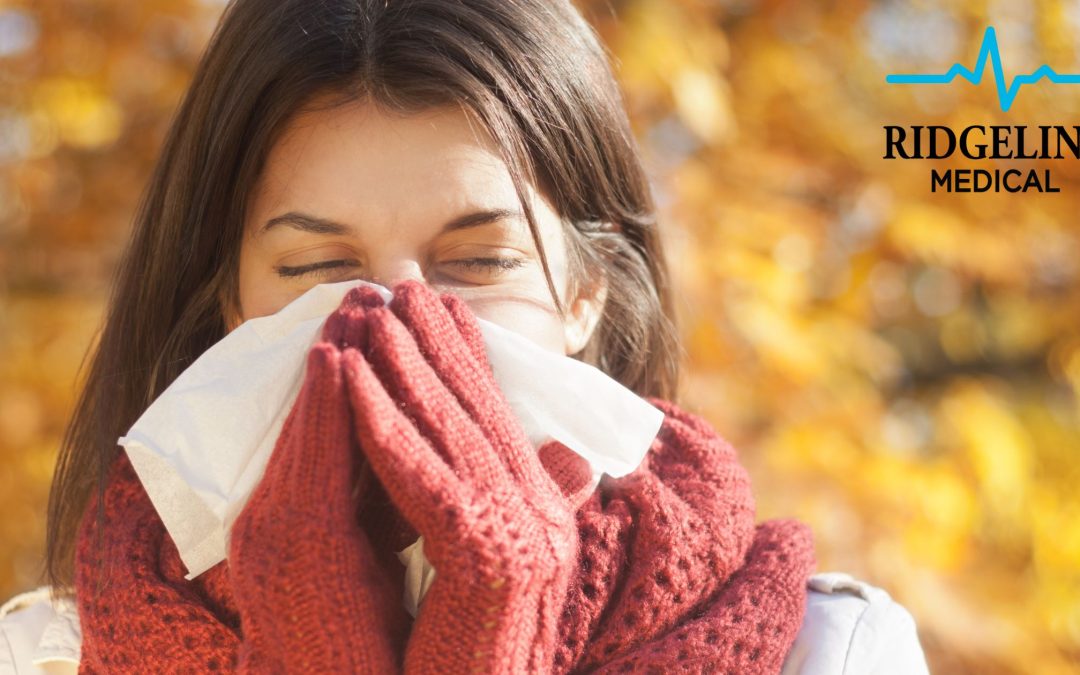
As the leaves change color and the air turns crisp, many of us eagerly welcome the arrival of autumn. However, for some, the season also brings the return of an unwelcome guest: fall allergies. While spring allergies often steal the spotlight, fall allergies can be equally troublesome. We want to help explore the causes, symptoms, and effective strategies to manage fall allergies, so you can enjoy this beautiful season to the fullest.

Understanding Fall Allergies

Fall allergies, also known as autumn allergies or hay fever, are allergic reactions that occur when your immune system overreacts to allergens present in the fall air. The primary culprits responsible for fall allergies include ragweed, mold spores, dust mites, and outdoor allergens such as pollen.

Common Symptoms of Fall Allergies

Fall allergies can manifest in a variety of ways, often mimicking the symptoms of the common cold. Common signs of fall allergies include:

  • Sneezing
  • Runny or stuffy nose
  • Itchy or watery eyes
  • Coughing
  • Sore throat
  • Fatigue
  • Wheezing or shortness of breath in severe cases

Effective Strategies for Managing Fall Allergies

The good news is that there are several strategies you can employ to effectively manage and alleviate fall allergies:

  1. Know Your Allergens: Understanding the specific allergens that trigger your symptoms is crucial. You can undergo allergy testing to pinpoint your triggers and develop a personalized allergy management plan.
  2. Monitor Pollen Counts: Keep an eye on daily pollen counts in your area. On high pollen days, try to limit your outdoor activities, especially during peak pollen hours.
  3. Use Air Purifiers: High-efficiency particulate air (HEPA) filters can help remove allergens from the air in your home, reducing your exposure to triggers.
  4. Keep Windows Closed: While it may be tempting to let in the crisp fall breeze, keeping windows and doors closed can prevent outdoor allergens from entering your home.
  5. Regular Cleaning: Frequent cleaning, including vacuuming with a HEPA filter-equipped vacuum cleaner and washing bedding in hot water, can reduce indoor allergen levels.
  6. Medications: Over-the-counter antihistamines and decongestants can provide temporary relief from allergy symptoms. Consult your healthcare provider at Ridgeline Medical for prescription medications or allergy shots if symptoms are severe or persistent.
  7. Nasal Irrigation: Using a saline nasal rinse can help flush out allergens and soothe irritated nasal passages.
  8. Allergy-Friendly Landscaping: Consider planting allergy-friendly shrubs and trees in your yard to minimize outdoor allergen exposure.

Fall allergies may put a damper on your autumn enjoyment, but with the right knowledge and strategies, you can manage your symptoms effectively. By identifying your triggers, staying informed about pollen levels, and implementing various prevention and treatment measures, you can enjoy the beauty of fall without the discomfort of allergies. If you struggle with fall allergies, contact Ridgeline Medical at 208-715-9990 for help. Ridgeline Medical’s team consists of highly qualified medical professionals who strive to give their patients the highest quality of care. We can help provide a tailored approach to managing your fall allergies, ensuring you make the most of this vibrant season. 

Sleep Better with these Solutions!

Sleep Better with these Solutions!

In the hustle and bustle of our modern lives, one crucial aspect often gets overlooked – sleep. We live in a world that glorifies productivity and achievement, often at the cost of our precious sleep. However, it’s time to recognize that sleep is not a luxury; it’s a fundamental pillar of our overall well-being. Certain health conditions can cause sleep issues to occur including elevated blood pressure, depression, anxiety, weight gain, diabetes, hormone imbalances, and chronic pain. Just like a well-balanced diet and regular exercise, sleep care deserves our attention and commitment! With the experienced providers at Ridgeline Medical, we can help you get the amount of sleep you want and the quality of sleep your body needs!

Understanding the Importance of Quality Sleep:

Sleep isn’t merely a state of rest; it’s a complex physiological process that rejuvenates both our bodies and minds. During sleep, our brains consolidate memories, repair tissue, and release essential hormones. Insufficient or poor-quality sleep can lead to a range of health issues, including increased stress, weakened immune function, impaired cognitive abilities, and a higher risk of chronic diseases like diabetes and cardiovascular disorders. Did you know that there is a 50% higher risk of heart attack and stroke with untreated sleep apnea? There is also a direct correlation with a higher risk of motor vehicle accidents and poor work performance in those who are lacking quality sleep at night.

Crafting a Sleep-Friendly Lifestyle:

1. Consistent Sleep Schedule: Our bodies thrive on routine. Going to bed and waking up at the same time every day helps regulate our internal body clock, making it easier to fall asleep and wake up naturally.

2. Create a Relaxing Bedtime Ritual: Engage in calming activities before bed, such as reading, meditating, or taking a warm bath. These rituals signal to your body that it’s time to wind down.

3. Mind Your Diet: Avoid heavy meals, caffeine, and alcohol close to bedtime. These substances can disrupt your sleep or make it harder to fall asleep.

4. Create a Sleep-Conducive Environment: Keep your bedroom dark, quiet, and at a comfortable temperature. Invest in a comfortable mattress and pillows that support your preferred sleeping position.

5. Embracing Technology for Sleep Tracking: Technology has brought us various tools that can aid in improving our sleep. Wearable devices and smartphone apps can track your sleep patterns, providing insights into your sleep quality, duration, and disruptions. With this data, you can identify patterns and adjust your sleep routine accordingly.

6. Managing Stress for Better Sleep: Stress and sleep are deeply interconnected. Chronic stress can lead to insomnia, while lack of sleep can increase stress levels. Engage in stress-reducing activities such as yoga, deep breathing exercises, and mindfulness meditation to promote a peaceful mind before bed.

When to Seek Professional Help

If you’ve tried various strategies and still struggle with sleep, it might be time to consult with our Ridgeline Medical sleep care professional, Christina Finnerty, FNP. Sleep disorders like insomnia, sleep apnea, or restless leg syndrome require specialized treatment. At Ridgeline, we can also help with sleep issues such as:

-Having a hard time getting to sleep or staying asleep
-Waking up more tired than when you went to bed
-Waking up with morning headaches
-Feeling sleepy or falling asleep during the daytime
-Being told you snore or stop breathing in your sleep
-Waking up in the middle of the night with your heart racing
-Restless irritable legs that you can’t get to relax or stop moving
-Tossing and turning in your sleep all night
-Nightmares

We can help diagnose the issue and recommend appropriate interventions to improve the quantity and quality of your sleep!

The Bottom Line: Prioritize Sleep Care

In the pursuit of a fulfilling and healthy life, don’t underestimate the importance of sleep care. It’s not a sign of laziness to prioritize rest; it’s an essential step towards achieving your goals with a clear mind and a vibrant body. Incorporate sleep care into your daily routine, and watch as your overall well-being flourishes. Remember, a good night’s sleep isn’t just a luxury – it’s a vital investment in yourself. 

Our sleep specialist Christina Finnerty, FNP, would love to help you get to the root cause of your sleep conditions! If you have any questions about sleep care or are experiencing any issues with your sleep, contact Ridgeline Medical at 208-715-9990 for help! Don’t wait any longer, your health depends on it. Schedule your consult today and get to the possible root cause of your sleep issues.

Tips to Stay Healthy this Summer!

Tips to Stay Healthy this Summer!

Summertime brings joy and excitement as we soak up the warmth of the sun and engage in outdoor activities. However, it’s crucial to prioritize our health and well-being during this season. The scorching heat and increased physical activity can pose various health challenges. In this blog, we will explore some essential summer health tips to help you stay cool, hydrated, and healthy throughout the season

1. Stay Hydrated:

One of the most crucial aspects of summer health is staying properly hydrated. The heat can cause excessive sweating, leading to fluid loss and dehydration. Make it a habit to drink plenty of water throughout the day. Carry a reusable water bottle with you wherever you go and sip water regularly. Include hydrating foods such as watermelon, cucumbers, and citrus fruits in your diet as they contain high water content.

2. Protect Your Skin:

Exposure to the sun’s harmful ultraviolet (UV) rays can damage your skin and increase the risk of skin cancer. Apply a broad-spectrum sunscreen with at least SPF 30 before stepping outside, even on cloudy days. Reapply it every two hours, especially if you are swimming or sweating. Wear protective clothing, such as lightweight, long-sleeved shirts, wide-brimmed hats, and sunglasses, to shield yourself from the sun’s rays.

3. Practice Sun Safety:

While it’s tempting to spend long hours outdoors, it’s essential to practice sun safety. Avoid direct sun exposure during peak hours, typically between 10 am and 4 pm when the sun’s rays are the strongest. Seek shade whenever possible, especially when engaging in outdoor activities. If you must be outdoors, consider using an umbrella or setting up a canopy to create your own shade.

4. Maintain a Balanced Diet:

Summer brings an abundance of fresh fruits and vegetables. Make the most of this opportunity to consume a balanced diet rich in nutrients. Include a variety of seasonal fruits and vegetables in your meals to boost your intake of vitamins, minerals, and antioxidants. Opt for lighter meals like salads, grilled lean proteins, and chilled soups. Avoid heavy, greasy foods that can make you feel sluggish and dehydrated. At Ridgeline Medical, we offer medical weight loss plans which include nutritional and lifestyle counseling. We can help you maintain a balanced diet as well as develop other healthy habits to improve your diet and health in the summer and all year-round.

There are also certain herbs and foods that possess cooling properties which can help regulate body temperature and provide relief from the heat. Mint, for example, has a cooling effect on the body. Incorporate fresh mint leaves into your beverages, salads, or homemade ice pops. Similarly, foods like cucumber, coconut water, aloe vera, and fennel can help cool you down from within. Experiment with these ingredients to create refreshing and cooling recipes.

5. Stay Active Safely:

Regular physical activity is essential for maintaining good health, but exercising in extreme heat can be dangerous. Choose cooler times of the day, such as early morning or late evening, to engage in outdoor activities or exercise. If exercising outdoors, dress appropriately, apply sunscreen, and stay hydrated. Listen to your body and take breaks when needed. If it’s too hot outside, consider indoor workouts or water-based activities. Swimming, water aerobics, paddleboarding, or simply splashing around in a pool can provide a refreshing and enjoyable way to stay active. These exercises are gentle on your joints, help cool your body, and offer a unique way to embrace the summer season.

6. Beat the Heat:

Extreme heat can lead to heat exhaustion or heatstroke, which can be life-threatening. Take necessary precautions to beat the heat and stay cool. Spend time in air-conditioned or cool environments, use fans or portable air conditioners, and take cool showers or baths.

Cold showers might not be everyone’s cup of tea, especially during the scorching summer heat, but they can offer numerous health benefits. Taking cold showers can help improve circulation, boost metabolism, invigorate your body, and even alleviate symptoms of depression and anxiety. Additionally, cold showers can provide instant relief from the heat and leave you feeling refreshed and energized.

7. Detox from Digital Devices:

While digital devices play a significant role in our daily lives, they can also contribute to stress and anxiety. Use the summer season as an opportunity to prioritize a digital detox. Reduce screen time, disconnect from social media, and spend more time engaging in outdoor activities, connecting with loved ones, or pursuing hobbies. Unplugging from technology can help improve sleep, reduce stress levels, and enhance overall well-being.

Summer is a season of fun and outdoor adventures, but it’s crucial to prioritize your health and well-being. By following these summer health tips, you can stay cool, hydrated, and protected from the sun’s harmful rays. Embrace the beauty of summer while keeping your health a top priority. If you have any questions about summer safety or are experiencing any issues with your health, contact Ridgeline Medical at 208-715-9990 for help! Our family care practice is open Monday-Friday with an appointment, and our urgent care is open for walk-ins 8 am – 8 pm Monday through Friday and 9 am – 6 pm on  Saturdays. Ridgeline Medical’s team consists of highly qualified medical professionals who strive to give their patients the highest quality of care to help keep you and your family healthy and happy all summer long!


Hormone Replacement Therapy-What you need to know!

Hormone Replacement Therapy-What you need to know!

As we age, our bodies undergo numerous changes, including a decline in hormone production. For women, this decline typically occurs during menopause, while for men, it may occur later in life. At Ridgeline Medical, we offer Hormone Replacement Therapy (HRT) for men and women.  This medical treatment that can help alleviate the symptoms of hormone imbalances and deficiencies.

What are Hormonal Imbalances?

A hormone imbalance occurs when there is an abnormality in the levels of hormones in the body. Hormones are chemical messengers that are produced by glands in the endocrine system, and they play a vital role in regulating various bodily functions, including metabolism, growth and development, sexual function, and mood. Hormone imbalances can occur due to various reasons, including:

  • Age-related changes: As we age, our bodies naturally produce fewer hormones, which can result in hormone imbalances.
  • Medical conditions: Certain medical conditions, such as thyroid disorders, diabetes, and polycystic ovary syndrome (PCOS), can cause hormone imbalances.
  • Medications: Some medications, such as birth control pills can cause hormone imbalances.
  • Stress: Chronic stress can disrupt the balance of hormones in the body, leading to imbalances.

What is Hormone Replacement Therapy (HRT)?

Hormone replacement therapy involves taking synthetic hormones, such as estrogen, progesterone, or testosterone, to replace or supplement the body’s natural hormone production. The specific hormones used in HRT depend on the individual’s hormone imbalance and gender. HRT is typically administered for a limited period of time, and the specific dosage and duration of treatment may vary depending on the individual’s needs and medical history. Regular monitoring and adjustments to the treatment plan may be necessary to ensure optimal hormone levels and to minimize the risk of potential side effects. It’s important to note that the potential benefits of HRT can vary depending on the individual’s medical history, hormone levels, and other factors.

HRT SYMPTOMS AND BENEFITS FOR WOMEN:

There are a variety of symptoms of hormone imbalance in women including fatigue, irritability, trouble sleeping, anxiousness, mood swings, night sweats, hot flashes, weight gain, heavy, irregular, or uncomfortable periods, breast tenderness, indigestion, constipation, diarrhea, decreased sex drive, and discomfort during intercourse. The most common hormones used in Hormone Replacement Therapy are estrogen and progesterone. This treatment can provide several benefits for women who are experiencing hormonal imbalances or going through menopause. Some of the potential benefits of HRT in women may include:

  1. Relief from menopausal symptoms: HRT can help alleviate common symptoms of menopause such as hot flashes, night sweats, mood swings, and vaginal dryness and pain to help improve sexual function and satisfaction.
  2. Improved bone health: HRT can help reduce the risk of osteoporosis, a condition that causes bones to become weak and brittle.
  3. Lower risk of heart disease: Some studies suggest that HRT may help reduce the risk of heart disease in women by improving cholesterol levels and reducing inflammation.
  4. Relief from urogenital symptoms: HRT can help reduce urogenital symptoms such as urinary incontinence and vaginal atrophy.
  5. Improved cognitive function: HRT may help improve cognitive function and reduce the risk of Alzheimer’s disease in women.

HRT SYMPTOMS AND BENEFITS FOR MEN:

In men, testosterone is the primary hormone used in Hormone Replacement Therapy to address hypogonadism, which occurs when the body doesn’t produce enough testosterone. Hormone imbalances in men can cause symptoms such as mood changes, irritability, brain fog, stress, anxiousness, fatigue, elevated blood sugar, high cholesterol, loss of muscle mass, decreased bone mass, increased body fat (especially in the waist), and low sex drive. This therapy can provide several benefits for men who have low levels of testosterone or hypogonadism. Some of the potential benefits of HRT in men may include:

  1. Improved sexual function: HRT can help improve libido, erectile function, and overall sexual satisfaction in men with low testosterone levels.
  2. Increased muscle mass and strength: Testosterone is important for building and maintaining muscle mass, and HRT can help increase muscle mass and strength in men with low testosterone levels.
  3. Improved bone density: Testosterone is essential for maintaining bone health, and HRT can help increase bone density and reduce the risk of osteoporosis.
  4. Improved mood and energy levels: Low testosterone levels can cause fatigue, depression, and mood swings, and HRT can help improve mood and energy levels in men with low testosterone levels.
  5. Reduced risk of cardiovascular disease: Some studies suggest that HRT may help reduce the risk of cardiovascular disease in men with low testosterone levels by improving cholesterol levels and reducing inflammation.

Hormone Replacement Therapy can be an effective treatment for men and women who are experiencing hormone imbalances or deficiencies. If you are seeking relief from hormonal imbalances and related symptoms, contact Ridgeline Medical for a consultation to determine whether it’s right for you. Our experienced providers can provide health screenings, annual exams, and other services including Hormone Replacement Therapy. We offer you a compassionate and effective choice for your personal care.