
Nutrition Tips for the New Year!

Nutrition Tips for the New Year!

2023 is in full swing and many people have already set their goals or are currently working on setting new goals. According to the latest Gallup poll, 7 in 10 Americans plan to set goals in 2023. Of those goal-setters, 80% are setting health or nutrition goals!

Clearly, there are many of us who want to be healthier in 2023, and eating nutritiously is a huge part of a healthy lifestyle! The CDC lists the following benefits to eating a nutritious diet:

  • May help you live longer
  • Keeps skin, teeth, and eyes healthy
  • Supports muscles, strengthens bones, and boosts immunity
  • Lowers risk of heart disease, type 2 diabetes, and some cancers
  • Supports healthy pregnancies and breastfeeding
  • Helps the digestive system function
  • Helps achieve and maintain a healthy weight

In children, there are even more benefits to eating a healthy diet including supporting healthy growth and brain development! Everyone knows that eating healthy is important, but sometimes it can be hard to stick to your healthy diet goals. We want to pass along some tips to help you keep your nutrition goals this year!

1. MAKE A PLAN – Map out your meals and snacks for the week and make sure you have the necessary ingredients.

2. SHOP SMART – Stick to the grocery list and shop for healthy, whole foods.  A healthy diet includes regularly eating vegetables, fruits, whole grains, protein, low-fat milk, nuts, seeds, and fatty fish such as salmon.

3. GET COOKING – Prepare meals at home with fresh ingredients. Diets high in ultra-processed foods can contribute to obesity, type 2 diabetes, heart disease, and other chronic conditions. These foods contain low quality ingredients such as added sugar, fats, and refined grains which usually means they are low in fiber, protein, and micronutrients. 

4. EAT MINDFULLY – Enjoy each bite and take your time. Stop eating when you feel full. Drinking water before and during your meal can also help with digestion.

5. STAY HYDRATED – Drink plenty of water throughout the day. Staying hydrated helps your body function optimally. Limit sugary drinks such as soda, fruit juices, and sweetened tea.

6. MAINTAIN GOOD GUT HEALTH – A disruption in gut health has been linked to chronic diseases and digestion problems. Eating probiotic-rich foods such as yogurt and sauerkraut as well as fiber can help maintain good health in your gut.

7. ENSURE VITAMIN D INTAKE – Vitamin D levels can help with bone strength, and depression, and can boost your immune system and lower your risk for cancer. Milk, calcium-fortified orange juice, and salmon are all good sources of vitamin D. It is a good idea to get your levels tested so you can use supplements, if necessary.

The more scientists know about health, the more they understand how nutrition can affect you from day to day. If you are ready to take control of your eating and nutrition, Ridgeline Medical can help you deal with hunger, weight loss, sleepiness, and related issues through a broad spectrum of programs, tests, and therapies. Ridgeline offers individualized Nutritional Counseling, weight loss programs, diagnostics testing, fasting education and support, and hormonal therapy and balancing. Ridgeline Providers consist of highly qualified professionals who strive to give the highest quality of care to people of all ages. Contact us at 208-715-9990 for more information about our nutrition or other healthcare services!


New Years Goal Setting

New Years Goal Setting

New Year’s Goals

As the new year begins, it is important to set goals for yourself that will help you grow and become a better version of yourself. Whether it be personal or professional goals, it is important to have a plan that is achievable and realistic.

Here are some tips to help you set goals for the new year:

  • Take time to reflect: Before you set any goals, take the time to reflect on the past year and think about what you want to accomplish in the new year.
  • Brainstorm: Make a list of all the goals that you want to achieve in the new year and then narrow it down to a few that are achievable.
  • Set SMART goals: SMART stands for Specific, Measurable, Attainable, Realistic, and Time-Bound. Setting goals that fit into this framework will make them more achievable and keep you on track.
  • Create a plan: Once you have your goals set, create a plan of action that will help you reach them. Break up your goals into smaller, achievable steps and set deadlines for yourself.
  • Track your progress: Tracking your progress is an important part of the goal-setting process. Keep track of your progress and adjust your plan if needed.

By following these tips, you will be able to set realistic and achievable goals for the new year. Good luck and happy goal setting!

Stay Healthy and Happy Through the Holidays

Stay Healthy and Happy Through the Holidays

The holiday season is here! With all the parties, events, and shopping to do, it can be hard to find time to take care of yourself! We want to share 5 tips to help you stay healthy through the holidays.

1.  Get enough sleep: It’s easy to get caught up in the hustle and bustle of the holidays, but don’t forget to get plenty of rest. Strive to get 7-8 hours of sleep per night during the holidays to keep your body healthy and energized.

2.  Eat healthy meals: Even though it’s tempting to indulge in all the treats around during the holidays, try to stick to healthy meals and snacks. Fill up on fruits and veggies, and limit your intake of processed and sugary foods.

3.  Exercise regularly: Make sure to stay active during the holidays. Whether it’s a walk around the block, a yoga session at home, or a few trips to the gym, exercise is a great way to stay healthy and energized.

4.  Drink plenty of water: Staying hydrated is key to staying healthy. Make sure to drink plenty of water to keep your body functioning at its best.

5.  Stay connected: Don’t forget to stay connected with your friends and family during the holidays. Keeping in touch with those you care about can help keep your spirits high and your body healthy.

Ridgeline’s team consists of highly qualified medical professionals who strive to give the highest quality of care to people of all ages. Contact Ridgeline Medical for all of your healthcare needs. We offer a family practice clinic for wellness visits as well as an urgent care for sudden injuries or illnesses. With extended hours on nights and weekends, Ridgeline Medical is here for you and your family when you need us!


What Exactly Does Intermittent Fasting Mean?

What Exactly Does Intermittent Fasting Mean?

Why is everyone talking about “fasting”, isn’t that bad for you???

What is intermittent fasting? Does it have health benefits?

Answer From Manpreet Mundi, M.D.

Intermittent fasting means that you don’t eat for a period of time each day or week. Some popular approaches to intermittent fasting include:

  • Alternate-day fasting. Eat a normal diet one day and either completely fast or have one small meal (less than 500 calories) the next day.
  • 5:2 fasting. Eat a normal diet five days a week and fast two days a week.
  • Daily time-restricted fasting. Eat normally but only within an eight-hour window each day. For example, skip breakfast but eat lunch around noon and dinner by 8 p.m.

Some studies suggest that alternate-day fasting is about as effective as a typical low-calorie diet for weight loss. That seems reasonable because reducing the number of calories you eat should help you lose weight.

Can intermittent fasting improve your health? Losing weight and being physically active help lower your risk of obesity-related diseases, such as diabetes, sleep apnea, and some types of cancer. For these diseases, intermittent fasting seems to be about as beneficial as any other type of diet that reduces overall calories.

Some research suggests that intermittent fasting may be more beneficial than other diets for reducing inflammation and improving conditions associated with inflammation, such as:

  • Alzheimer’s disease
  • Arthritis
  • Asthma
  • Multiple sclerosis
  • Stroke

It’s important to note that intermittent fasting can have unpleasant side effects, but they usually go away within a month. Side effects may include:

  • Hunger
  • Fatigue
  • Insomnia
  • Nausea
  • Headaches

Intermittent fasting is safe for many people, but it’s not for everyone. Skipping meals may not be the best way to manage your weight if you’re pregnant or breastfeeding. If you have kidney stones, gastroesophageal reflux, diabetes, or other medical problems, talk with your doctor before starting intermittent fasting.

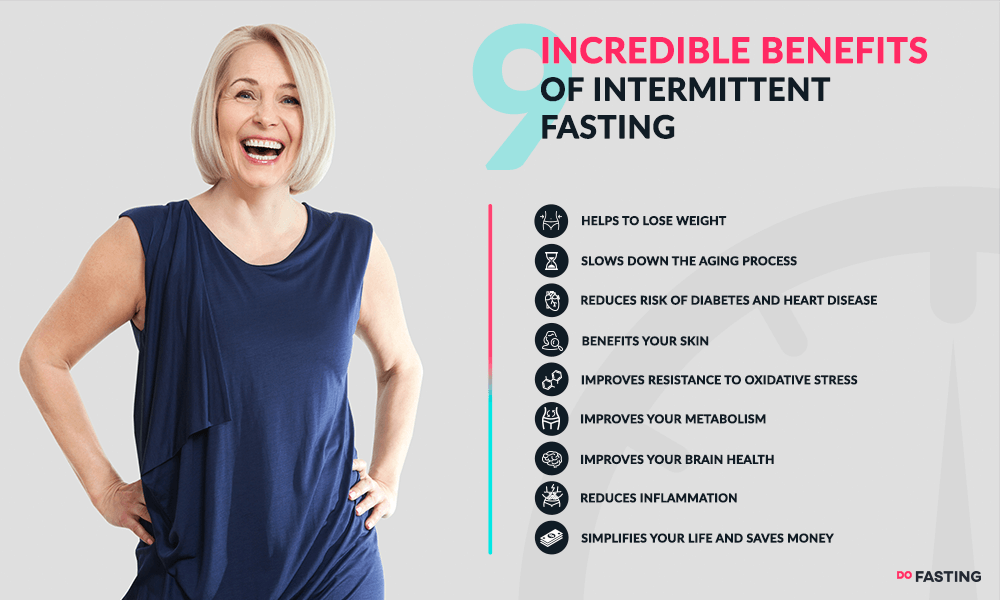
Fasting is any period of time that you are not eating, so intermittent fasting is simply alternating cycles of fasting and eating. Intermittent fasting has recently been rediscovered as a highly effective weight loss method, and new research confirms its many healthy benefits. In 2019, it was Google’s most searched for weight loss term, and also prominently reviewed in The New England Journal of Medicine, the most influential medical journal in the world.

There is nothing new about fasting. It is one of the oldest dietary interventions and has been part of the practice of virtually every culture and religion on earth. Indeed, the word ‘break-fast’ means the meal that breaks your fast, referring to the fasting period between the evening meal and the first meal of the next day.

Since 2010, the number of online searches for “intermittent fasting” has increased by over 10,000%, as people recognize the significant health benefits, including weight loss and type 2 diabetes reversal.

Who are some good people to follow to learn more about intermittent fasting or “IMF” for short:

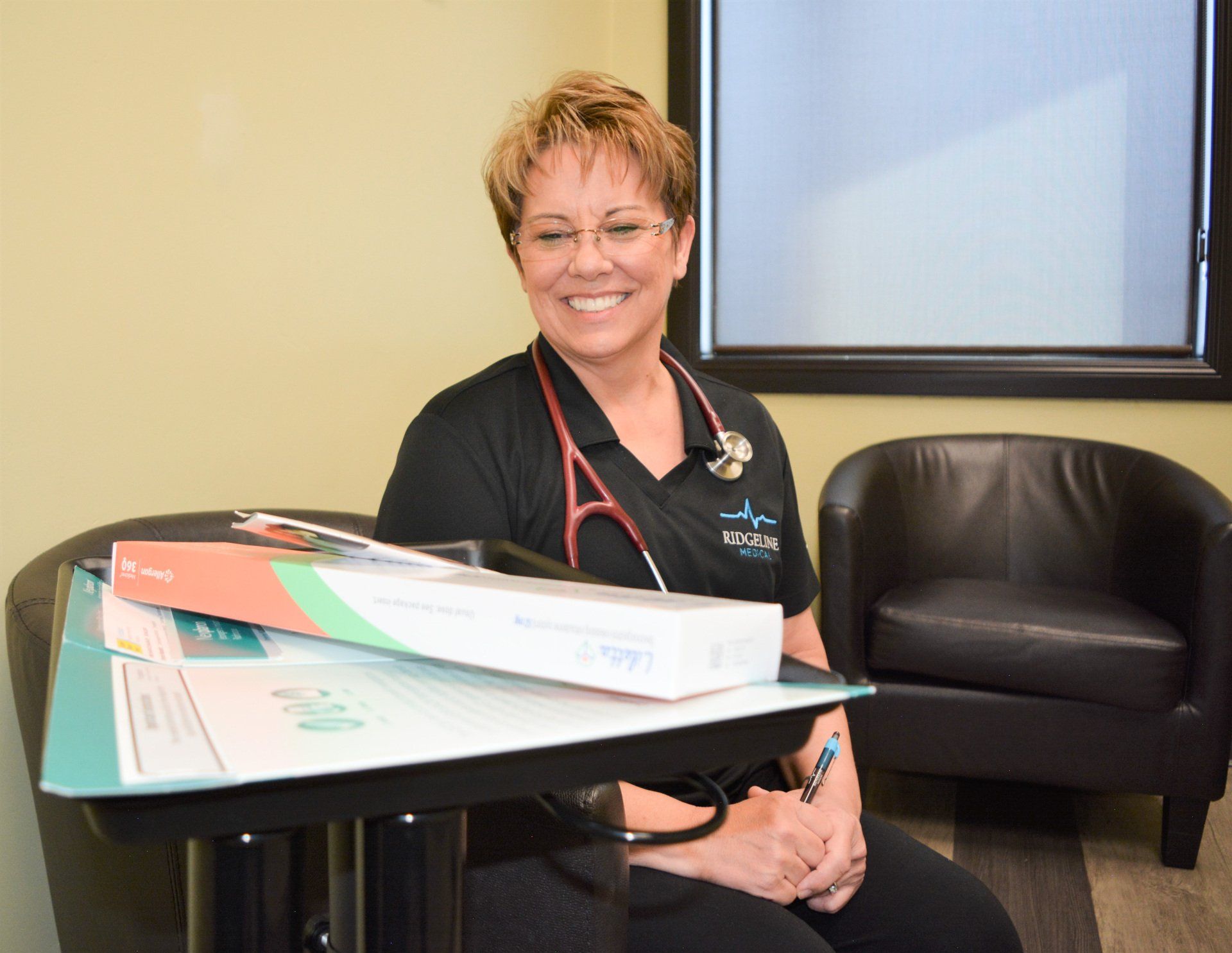
Well for starters many of our providers and staff here at Ridgeline Medical do intermittent fasting themselves, so they can teach it to you firsthand as this is how many of them live their day-to-day lifestyles.  In addition, our health care provider and Nurse Practitioner Christina Finnerty has a program designed for individuality and follow-up to help you reach your weight loss and optimal wellness health goals. 

Call now and make an appointment today to learn more and get your customized plan so you too can live your best life! 

People suggested following up on YouTube to learn more about the health benefits and how to do intermittent fasting safely and effectively. 

https://www.youtube.com/user/drjasonfung

Dr. Jason Fung is a Canadian nephrologist. He’s a world-leading expert on intermittent fasting and low carb, especially for treating people with type 2 diabetes. He has written three best-selling health books and he co-founded the Intensive Dietary Management program. Dr. Fung has his own website at IDMprogram.com.

Dr. Jason Fung, author of The Diabetes Code, The Obesity Code, The Cancer Code and Life in the Fasting Lane.

Dr. Mindy Pelz – YouTube

Dr. Mindy Pelz, D.C. is a bestselling author, nutrition and functional medicine expert who’s spent over two decades helping thousands of people successfully reclaim their health.


Women’s Health

Women’s Health

ABOUT US

Ridgeline’s team consists of highly qualified medical professionals who strive to give their patients the highest quality of care. Our providers work together to optimize their patient’s health by creating a relationship with them, genuinely listening, and cultivating a safe place. We provide a range of services that includes everything from yearly wellness visits to broken bones. Our providers consolidate their patient’s medical records to assure a safe treatment plan across the board, making us a unique hub for all of our patient’s medical needs.

“Why face your health alone when you can have a team” -RIDGELINE MEDICAL

WOMEN’S HEALTH

Women are 20-30% more likely to be misdiagnosed. Our providers here at Ridgeline Medical have extensive experience in women’s health. All of our providers care about women’s health and some have been personally affected by difficult diagnoses that allow them to empathize with their female patients.  As a cancer survivor, Monica knows the value of having a guide through the medical options that are available. She is a passionate listener, helper, and supporter of any who comes to us.

OUR WOMEN’S HEALTH SERVICES

  • Annual exams and pap smears
  • Anxiety
  • Aesthetics
  • Breast exams
  • Birth Control
  • Chronic disease management
  • Depression
  • Hormone pellet therapy
  • Sexual health
  • Pre-pregnancy testing
  • Vaginitis hormone replacement
  • Weight loss
  • And so much more

Women’s Urgent Care Needs:

  • Abdominal Pain
  • Allergic Reactions
  • Anxiety & Depression
  • Asthma Attack (Minor to Moderate)
  • Burns (Including Sun Burns)
  • Cold or Cough
  • Constipation
  • Cuts
  • Earache or Ear Infection
  • Dizziness/Fainting
  • Diarrhea
  • Fever (Children over 2 months old)
  • Flu
  • Headache or Migraine
  • Ingrown Toenails
  • Insect or Animal Bite
  • Nausea & Vomiting
  • Pelvic Pain
  • Pink Eye
  • Rash
  • Sprains/Strains
  • Stomach Pain
  • Stitches
  • Sore Throat
  • Telemedicine Visits
  • Urinary Tract Infection


Urgent Care

Ridgeline’s team consists of highly qualified medical professionals who strive to give their patients the highest quality of care. Our providers work together to optimize their patient’s health by creating a relationship with them, genuinely listening, and cultivating a safe place. We provide a range of services that includes everything from yearly wellness visits to broken bones. Our providers consolidate their patient’s medical records to assure a safe treatment plan across the board, making us a unique hub for all of our patient’s medical needs.

“Why face your health alone when you can have a team” -RIDGELINE MEDICAL


OUR  URGENT CARE

Our urgent care doctors are emergency room board certified.  Our providers/doctors have more than 17 years of experience in emergency medicine. All of our staff from the front desk to the clinical staff genuinely care about our patients.

Our urgent care facility is a step above the standard because of the emergency room training our doctors and providers have:

  • On-Site Lab
  • On-Site X-Rays
  • On-Site Sedation
  • Broken Bone Placement
  • Head Injuries
  • IV Hydration

General Urgent Care Needs:

  • Abdominal Pain
  • Allergic Reactions
  • Anxiety & Depression
  • Asthma Attack (Minor to Moderate)
  • Burns (Including Sun Burns)
  • Cold or Cough
  • Constipation
  • Croup
  • Cuts and Stitches
  • Earache or Ear Infection
  • Dizziness/Fainting
  • Diarrhea
  • Fever (Children over 2 months old)
  • Flu
  • Headache or Migraine
  • Ingrown Toenails
  • Insect or Animal Bite
  • Nausea & Vomiting
  • Pelvic Pain
  • Pink Eye
  • Rash
  • Sprains/Strains
  • Stomach Pain
  • Stitches
  • Sore Throat
  • Telemedicine Visits
  • Urinary Tract Infection