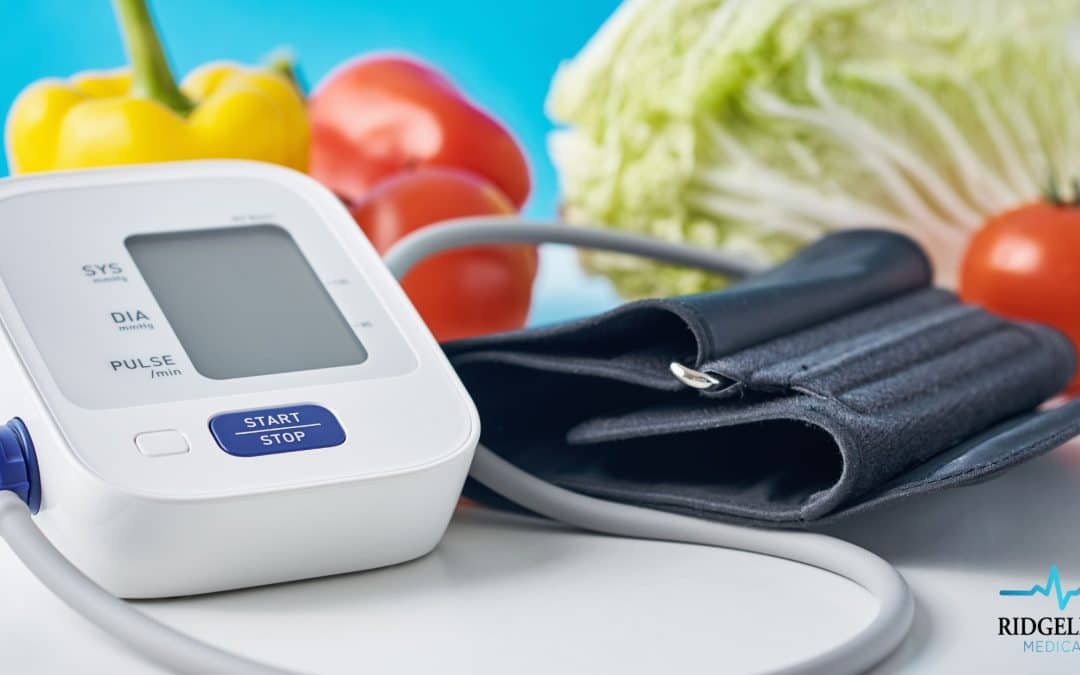
Hypertension or high blood pressure can be a silent killer that doesn’t even present a lot of symptoms. Your blood pressure can vary throughout the day depending on your activities, but having elevated blood pressure consistently can lead to significant damage to your blood vessels, heart, eyes, and even kidneys. The higher your blood pressure levels are, the more risk you have for other problems such as heart disease, heart attack, and stroke. Taking your blood pressure frequently is a great way to ensure it is within normal range. Blood pressure is measured using two numbers. The first number, called systolic, measures the pressure in your arteries when your heart beats. The second number, called diastolic, measures the pressure in your arteries when your heart rests between beats. The systolic blood pressure reading is always said first, followed by the diastolic.
WHEN IS IT HYPERTENSION?
Guidelines have changed over the past several years. The most recent data from the American College of Cardiology/American Heart Association offers these guidelines:
1. Normal Systolic is less than 120, Normal Diastolic is less than 80.
2. Elevated Systolic is 120-129, diastolic is less than 80.
3. High Blood Pressure Systolic reading is 130 or higher, and Diastolic is 80 or higher.
WHAT CAN CAUSE HYPERTENSION?
- Unhealthy diet
- Lack of physical activity or exercise
- Diabetes
- Obesity
- Pregnancy
CAN HYPERTENSION BE TREATED?
There are many treatment options for hypertension, and in most cases, with your doctor, it can be successfully managed. Here are some ways you can help keep your blood pressure in a healthy range, or lower it if it has become elevated:
1. Make it a habit to take your blood pressure consistently. Write down the dates and numbers so you can track what is going on. If you don’t have a blood pressure cuff, they can be found at most pharmacies.
2. Get at least 150 minutes of physical activity each week.
3. Don’t smoke.
4. Eat a healthy diet, and limit your sodium and alcohol intake. The DASH (Dietary Approaches to Stop Hypertension) is a flexible and balanced eating plan that helps create a heart-healthy eating style.
5. Maintain a healthy weight.
6. Keep stress as managed and under control as possible.
Sometimes, even when following these guidelines, the blood pressure can remain elevated. If your blood pressure is consistently elevated, contact the providers at Ridgeline Medical in Idaho Falls, Idaho for a consultation. Medication may be needed to keep your blood pressure at a healthy level and protect you against heart disease, stroke, and other problems. Ridgeline Medical has a team of highly qualified medical professionals who strive to give their patients the highest quality of care and will work together with you to optimize your health!
Some content is provided by CDC.gov.