
Why Botox?

Why Botox?

Why Botox?
Why do people get Botox?

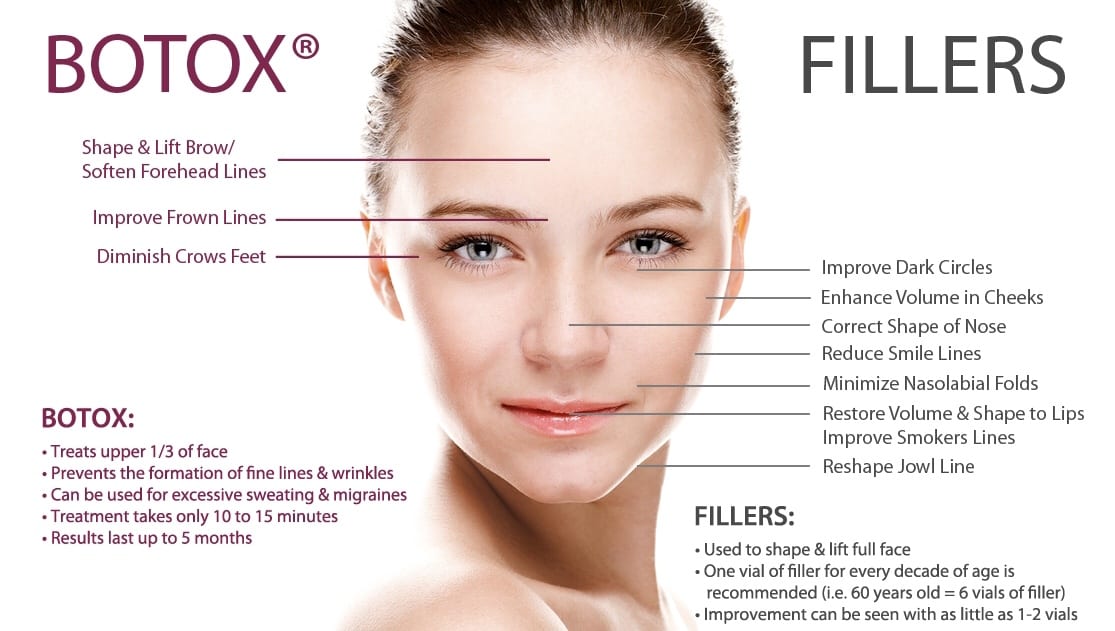
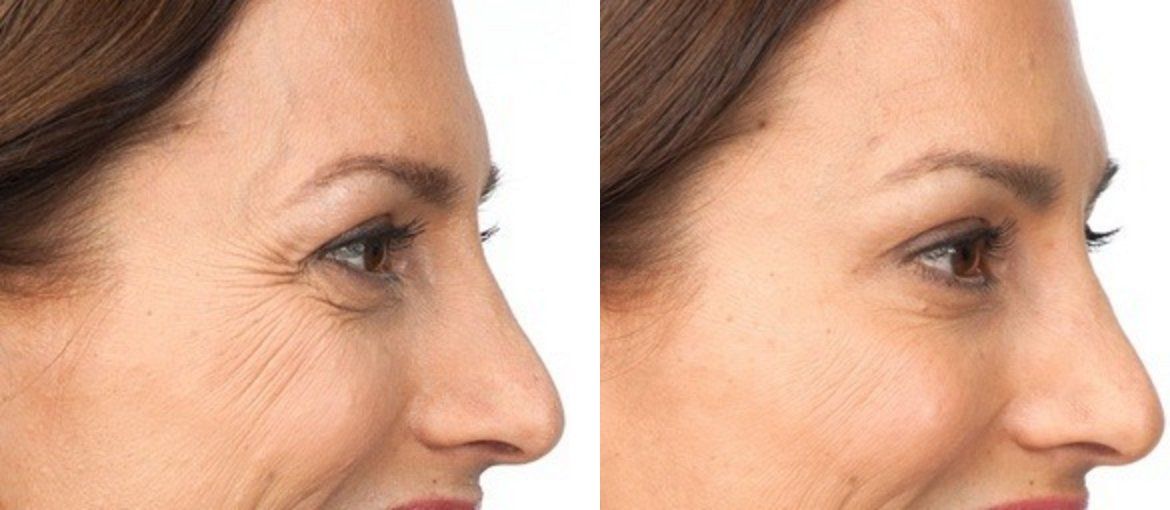
Botox is known as a neuromodulator used to reduce the appearance of fine lines and wrinkles on one’s face.  It relaxes the muscle and therefore prevents the muscles from being able to contract and cause lines around the eyes, across the forehead, and between your eyes, and even helps prevent the downturn of your smile, smooth out your chin, and create a smooth youthful appearance to the skin. It quite simply erases fine lines and wrinkles like a magic eraser!

How long does it last? 

Botox or other neuromodulator brands like Dysport, Xeomin, Jeveau last anywhere from 3-6 months and do need to be repeated to achieve the consistent relaxation of the muscle it is being injected into.  It will take approximately 3-7 days to start working and should be re-evaluated in 3-4 months to maintain the relaxation of the muscle and the smoothing of the fine lines and wrinkles in the area it is injected.

What areas are most effectively treated with neuromodulators like Botox?

The best areas to have treated are around the eyes (crow’s feet), between the eyes (the 11 lines or grumpy eyes), along the forehead for forehead creases and wrinkles, the bunny lines across the nose, the chin when the skin appears “cobblestone appearance”, and in the downturned angles of the mouth preventing the downturned smile that can appear with aging. 

How much does it cost?

The cost for Botox at Ridgeline Medical is $10 per unit.  A typical cost for between the eyes is 20 Units or $200, the forehead is typically 10-20 units or $100/$200, around the eyes to the crow’s feet is generally 12 units or $120, chin is generally only 8 units or $80, a lip flip is generally only 4-8 units or $40-$80 (*note a lip flip only last approximately 6 weeks not the 3-6 months the other areas last).

Does it hurt?

Botox is injected into the muscle (a very superficial, ie not deep) injection with a super fine needle and is very quick and relatively painless when done with the correct technique.  The whole procedure generally takes no more than 10 minutes. 

What are the restrictions after having Botox?

Your provider will encourage you not to take ibuprofen, you can take Tylenol if you feel a slight headache or any residual pain, which is very rare.  You will need to not lay on your face or have a massage or exercise heavily that same day of injection.  You will be discouraged from putting a hat on as you do not want the areas injected to have pressure applied as the neurotoxin needs to stay in place where it was injected for full effect and to prevent it from drifting to an unintended area. 

What are the potential complications that can occur?

There could be mild redness, bruising, and swelling after the injections.  Do not plan Botox right before a big event, give yourself a 2-week lead time in case you need to allow bruising to resolve.  There is a chance the Botox can drift into an unintended muscle and eyelid droop may occur.  This is a rare complication but can occur.  There is no way to reverse neuromodulators once injected, but the results are not permanent, as the neuromodulator will slowly degrade and no longer be effective in 3-6 months.  In some instances an eye drop can immediately be applied to the eye to try to lessen the side effect of the eyelid drooping.  Correct placement by a skilled provider is important. 

Does Ridgeline do Botox?

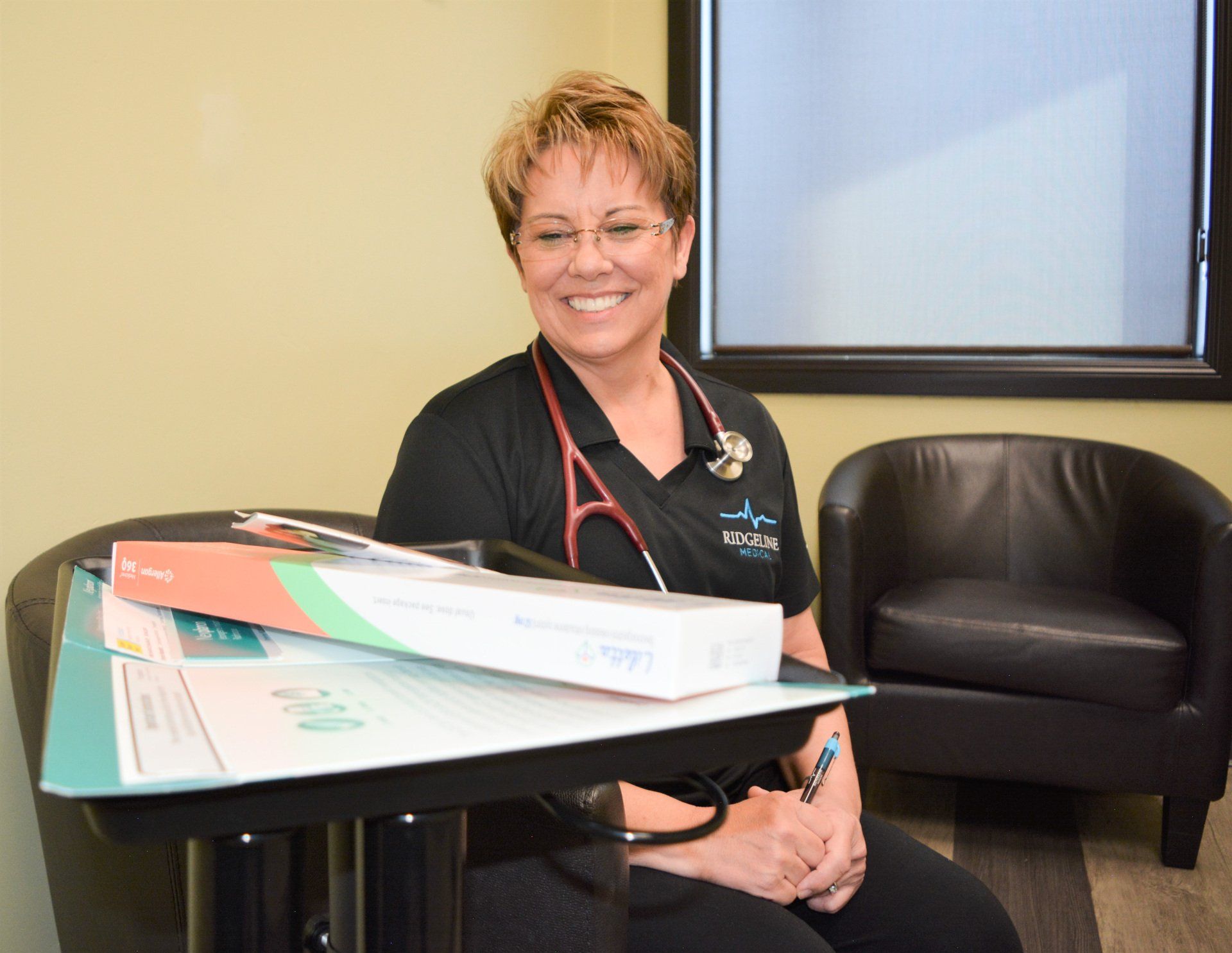
Yes, our Nurse Practitioner Christina Finnerty FNP does Botox.  She has been injecting Botox and other neuromodulators for over 15 years and would absolutely love to help you feel beautiful in the skin you are in!!!

Make an appointment today!  If you are not sure what you would need, you can make a consultation appointment first for $50 for 30-minute consult and if you book treatment $25 is applied toward your treatment if done on a separate day.  If done the same day the consultation fee is waived. 
What are Fillers?

What are Fillers?

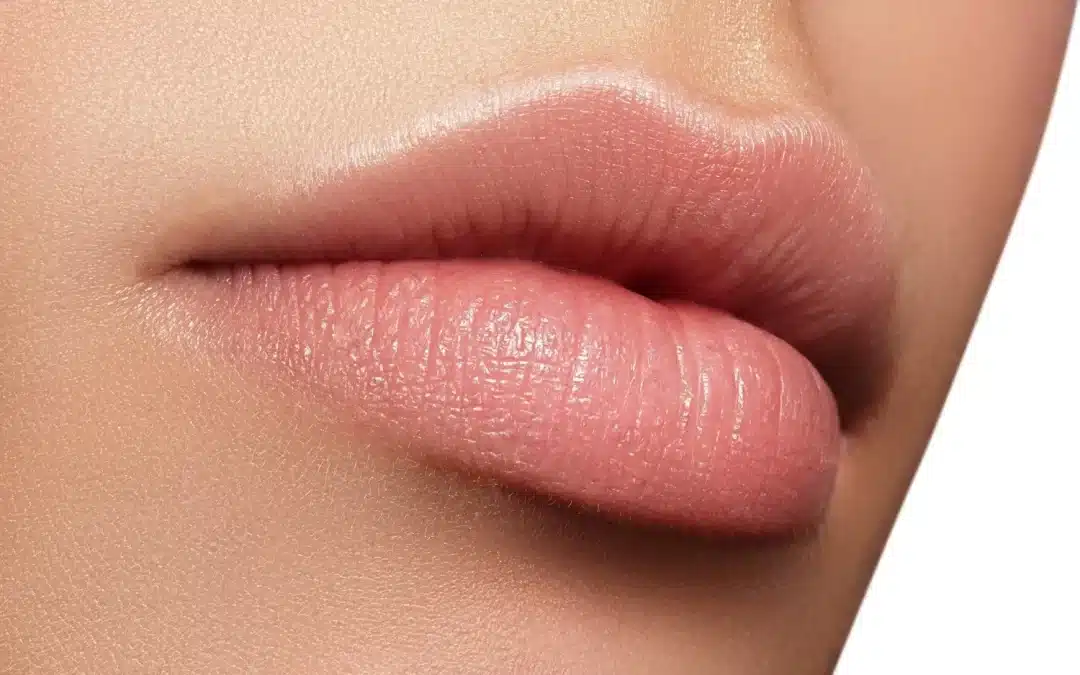
What are fillers?

Also called soft-tissue fillers, dermal fillers, soft-tissue augmentation

As we age, our skin loses its youthful fullness. Fillers help to restore lost fullness to the face, lips, and hands. 

Fillers are popular for several reasons. Patients like that they can return to everyday activities immediately after getting most fillers. They like the immediate results that many types of fillers deliver. Patients also like that they can get this treatment during an office visit. Some fillers require a few office visits.

Uses: With a number of fillers now available, our Nurse Practitioner Christina Finnerty FNP can diminish signs of aging that appear on the face, lips, and hands. Fillers can effectively: 

  • Restore fullness to cheeks, hollow areas under the eyes, and deep creases.
  • Diminish scars.
  • Erase fine lines.
  • Plump lips. 
  • Lift the brow or a down-turned mouth.
  • Rejuvenate hands.

What happens when I get a filler? 

The procedure varies with the filler your provider will use, the part of the body to be treated, and your medical history. Here are some general guidelines about what you can expect:

  • Most filler treatments take between 30 and 45 minutes and require one office visit.
  • Before getting the injections, you may need ice, an anesthetic applied to the skin, or a nerve block (an injection). This varies with the filler and area to be treated. Hands generally do not need anesthesia; lips often require a nerve block. 
  • Your provider will inject the filler into the area, often giving you several injections to produce the best results. 
  • You may feel a stinging or burning sensation as the filler is injected. 

What must I do after getting a filler?

Most patients can return to their everyday activities after leaving the office. 

To reduce any redness and swelling from the injections, your provider may recommend icing the area for 15 to 20 minutes before you leave.

After leaving the office, you should: 

  • Wait until the next day to exercise or do any other strenuous activity.
  • Stay out of the sun and do not use a tanning bed or other type of indoor tanning. 
  • Avoid touching the treated area for three days, unless you receive instructions to massage the area.

Is there downtime?

This varies with the filler. Most fillers do not cause downtime. Be sure to ask your provider whether you will have downtime.

When will I see results after getting a filler? 

This also varies with the filler. Most fillers fill the skin, so they produce immediate — or close to immediate — results. A filler also can stimulate your body to produce collagen, but this takes time.

Most fillers offer immediate results

You will be happy to see your results immediately, there of course will be swelling for days to weeks, so the final results are generally seen after about 3-6 weeks after injection. 

Will I look natural? 

To get natural-looking results, the person injecting the filler must have expertise in placing the filler. 

Dermatologists recommend not overdoing fillers. Your results will look more natural with a conservative approach. For example, patients who have very thin lips should not get dramatically fuller lips. Creating fuller lips in these patients could be extremely unflattering because the lips might start to resemble a duck’s bill.

How long will the results from fillers last?

Most fillers offer temporary results and require repeat treatments to maintain the results. 

Temporary fillers offer one key advantage. These can be injected as needed to replace lost fullness. This is advantageous because no matter what we do, our skin continues to age. Most hyaluronic acid fillers last 6-12 months on average. 

When is it safe to get another treatment? 

If you get a temporary filler, you can usually have another treatment when the signs of aging reappear. 

What are the possible side effects? 

After receiving filler injections, some patients have minor, temporary side effects where they were injected. You may have:

  • Redness
  • Swelling
  • Tenderness
  • Bruising (occasionally)

These side effects tend to clear within 7 to 14 days — if not earlier.

Serious side effects are more likely when the person injecting the filler does not have adequate medical training and experience. To protect your health, you should never get filler injections in a non-medical setting, such as non-medical spa, salon, or someone’s home.

When fillers are injected in a non-medical setting or by an inexperienced provider, reports of more serious side effects increase dramatically. These side effects include: 

  • Lumps.
  • Ridges.
  • Over-filled areas.
  • Allergic reaction.
  • Skin discoloration.
  • Infection.
  • Severe swelling.

What is the safety record for fillers?

This is one of the safest cosmetic treatments available. For years, dermatologists have been refining the use of fillers to diminish signs of aging. Today, providers safely treat people of many ages and all skin colors. 

What is the cost of dermal fillers?

The cost for the dermal fillers used at Ridgeline Medical is $475 per syringe.  The number of syringes needed for each area of concern is determined in your individual consultation with Christina Finnerty FNP. 

Call to schedule your appointment today! 

Women’s Health

Women’s Health

ABOUT US

Ridgeline’s team consists of highly qualified medical professionals who strive to give their patients the highest quality of care. Our providers work together to optimize their patient’s health by creating a relationship with them, genuinely listening, and cultivating a safe place. We provide a range of services that includes everything from yearly wellness visits to broken bones. Our providers consolidate their patient’s medical records to assure a safe treatment plan across the board, making us a unique hub for all of our patient’s medical needs.

“Why face your health alone when you can have a team” -RIDGELINE MEDICAL

WOMEN’S HEALTH

Women are 20-30% more likely to be misdiagnosed. Our providers here at Ridgeline Medical have extensive experience in women’s health. All of our providers care about women’s health and some have been personally affected by difficult diagnoses that allow them to empathize with their female patients.  As a cancer survivor, Monica knows the value of having a guide through the medical options that are available. She is a passionate listener, helper, and supporter of any who comes to us.

OUR WOMEN’S HEALTH SERVICES

  • Annual exams and pap smears
  • Anxiety
  • Aesthetics
  • Breast exams
  • Birth Control
  • Chronic disease management
  • Depression
  • Hormone pellet therapy
  • Sexual health
  • Pre-pregnancy testing
  • Vaginitis hormone replacement
  • Weight loss
  • And so much more

Women’s Urgent Care Needs:

  • Abdominal Pain
  • Allergic Reactions
  • Anxiety & Depression
  • Asthma Attack (Minor to Moderate)
  • Burns (Including Sun Burns)
  • Cold or Cough
  • Constipation
  • Cuts
  • Earache or Ear Infection
  • Dizziness/Fainting
  • Diarrhea
  • Fever (Children over 2 months old)
  • Flu
  • Headache or Migraine
  • Ingrown Toenails
  • Insect or Animal Bite
  • Nausea & Vomiting
  • Pelvic Pain
  • Pink Eye
  • Rash
  • Sprains/Strains
  • Stomach Pain
  • Stitches
  • Sore Throat
  • Telemedicine Visits
  • Urinary Tract Infection


Urgent Care

Ridgeline’s team consists of highly qualified medical professionals who strive to give their patients the highest quality of care. Our providers work together to optimize their patient’s health by creating a relationship with them, genuinely listening, and cultivating a safe place. We provide a range of services that includes everything from yearly wellness visits to broken bones. Our providers consolidate their patient’s medical records to assure a safe treatment plan across the board, making us a unique hub for all of our patient’s medical needs.

“Why face your health alone when you can have a team” -RIDGELINE MEDICAL


OUR  URGENT CARE

Our urgent care doctors are emergency room board certified.  Our providers/doctors have more than 17 years of experience in emergency medicine. All of our staff from the front desk to the clinical staff genuinely care about our patients.

Our urgent care facility is a step above the standard because of the emergency room training our doctors and providers have:

  • On-Site Lab
  • On-Site X-Rays
  • On-Site Sedation
  • Broken Bone Placement
  • Head Injuries
  • IV Hydration

General Urgent Care Needs:

  • Abdominal Pain
  • Allergic Reactions
  • Anxiety & Depression
  • Asthma Attack (Minor to Moderate)
  • Burns (Including Sun Burns)
  • Cold or Cough
  • Constipation
  • Croup
  • Cuts and Stitches
  • Earache or Ear Infection
  • Dizziness/Fainting
  • Diarrhea
  • Fever (Children over 2 months old)
  • Flu
  • Headache or Migraine
  • Ingrown Toenails
  • Insect or Animal Bite
  • Nausea & Vomiting
  • Pelvic Pain
  • Pink Eye
  • Rash
  • Sprains/Strains
  • Stomach Pain
  • Stitches
  • Sore Throat
  • Telemedicine Visits
  • Urinary Tract Infection


Microneedling

Microneedling

What is Micro-needling?

Microneedling works by encouraging your skin to make more collagen . The idea is that pinpricks from the procedure cause slight injury to the skin and that the skin responds by making new collagen-rich tissue. This new skin tissue is, in turn, more even in tone and texture.

What are the benefits of Micro-needling:

Microneedling may help with issues like:

What happens when you get Micro-needling:

Our Nurse Practitioner Christina Finnerty performs the microneedling in our office.  Mrs. Finnerty has been specifically trained in many areas of aesthetics and is highly qualified to perform this procedure on you in a safe and professional manner. There are do-it-yourself versions of microneedling devices. But dermatologists warn against using those because you might accidentally hurt your skin, and you may not have a good way to sterilize the needles.

The procedure usually takes 20–30 minutes (plan on one hour for full appointment), depending on how big the area is. Most people need 4-6 treatments to see a difference.  Buying a discounted package of 3 (scheduled on month apart) is a great way to get started and make sure you invest the time and money into getting your optimal results. 

First, you’ll get a numbing cream smoothed onto your face so you can’t feel the needle pricks. Christina will move a pen-shaped or rolling tool with tiny needles around your face. The needles make small cuts in your skin, which causes a bit of bleeding. Christina may spread cream or serum on your face after that. 

What is Micro-needling with PRP or “vampire facial”:

Microneedling with PRP is a cosmetic treatment that stimulates collagen production by rolling fine needles over the skin and applying platelets, which are one of the components of blood.

The addition of PRP from the blood may make microneedling more effective. The liquid in blood is plasma, while platelets are solid. Platelets help blood clot, so they are vital for healing wounds and injuries. PRP is plasma in which the concentration of platelets is higher than that of other components of the blood.

A practitioner will take a blood sample and then use a spinning tool called a centrifuge to separate the PRP from the rest of the blood.

PRP contains proteins, including growth factors and cytokines. These proteins help skin tissue repair itself.

First, a practitioner will use a microneedling tool to prick the skin, making tiny holes in the skin’s surface. They will then apply PRP to these tiny holes to encourage collagen production and cell reproduction.

The goal of the procedure is to start your body’s healing process by sending collagen and elastin to patch up the tiny injuries. Collagen helps fill in and smooth out wrinkles.

Most people get microneedling on the face, but it can also be done on other parts of the body, such as your stomach or thighs.

What are the risks and costs involved in Micro-Needling:

Microneedling is considered safe. But like any procedure, it has risks.

You could have an allergic reaction to the cream or serum that goes on your skin after the microneedling. And the wounds might get infected if you don’t keep your skin clean. You should stay away from places that could have lots of germs, like swimming pools, lakes, rivers, and oceans. And don’t use irritating soaps and lotions.

You can also get an infection if the equipment used hasn’t been cleaned well.

The cost is very affordable and one of the most rewarding things you can do for your skin!

Microneedling:  $150/session or 3 sessions for $390 (booked one month apart)

VIP Microneedling with PRP: $200/session or 3 sessions for $540

Call now and book your appointment with Christina Finnerty FNPc! She is so excited to help you love the skin you are in!!!