Pediatric Urgent Care Services for Children in Idaho Falls
The Essential Role of Urgent Care for Non-Emergent Pediatric Needs
Urgent care centers (UC) serve as a vital healthcare resource by addressing non-emergent pediatric health concerns, offering a practical and efficient alternative to emergency departments (ED). Accessibility to UCs, however, can be influenced by factors such as transportation availability and socioeconomic status. This study rigorously evaluated the geospatial accessibility of UCs and EDs in Milwaukee County, Wisconsin, and analyzed the interplay between transit options, socioeconomic vulnerability, and healthcare access.
Accessibility of Urgent Care Centers: A Socioeconomic and Geospatial Evaluation, R Sadler, 2025
When Should You Choose Urgent Care for Your Child?
- Non-life-threatening conditions: Minor injuries or illnesses that require swift medical evaluation but do not warrant emergency room visits.
- Immediate care needs: Sudden onset of symptoms such as high fever, sprains, or moderate respiratory distress that necessitate quick assessment and treatment.
- Convenience and efficiency: Urgent care centers typically offer shorter wait times and greater accessibility compared to emergency rooms, providing a practical solution for families.
Recognizing Common Illness Symptoms for Urgent Care Visits
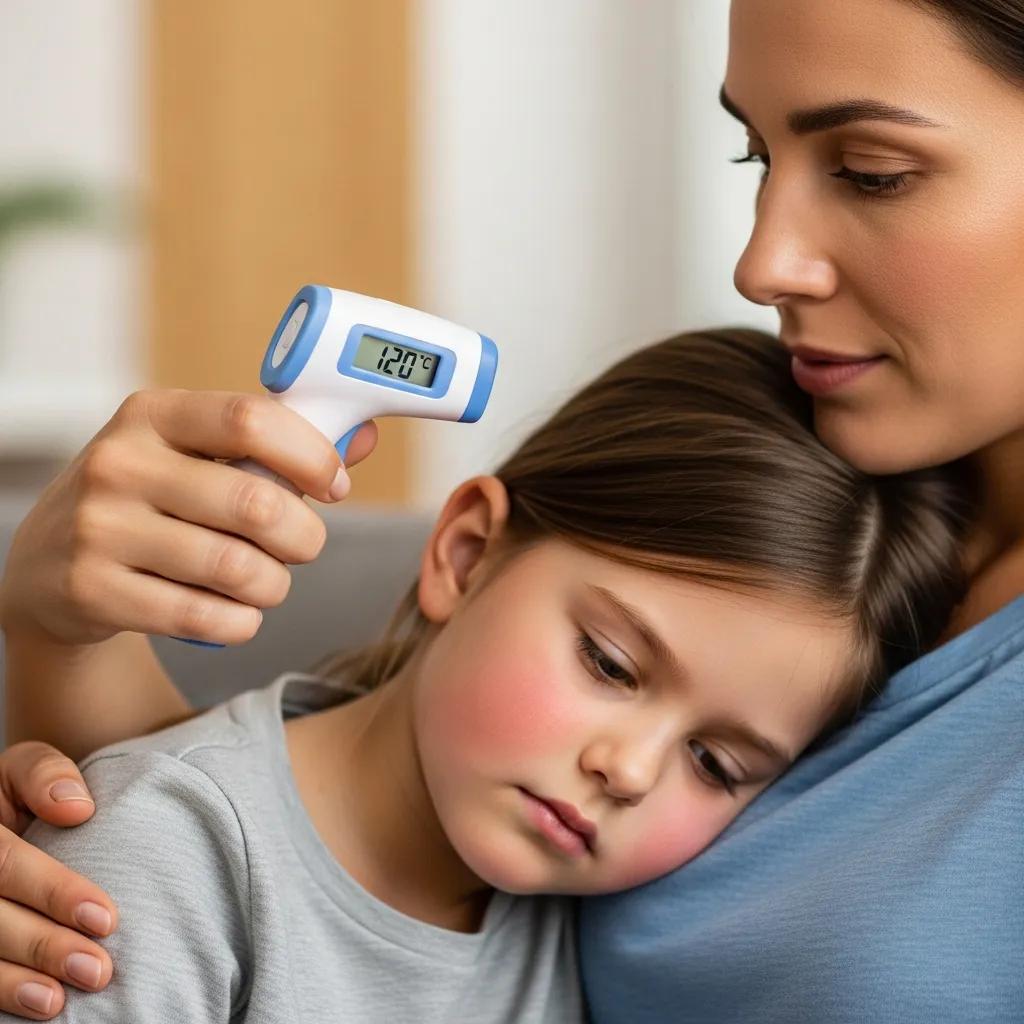
- Fever: Persistent high fever, especially when accompanied by lethargy, rash, or dehydration, may signal serious infection.
- Respiratory issues: Difficulty breathing, wheezing, persistent coughing, or cyanosis require immediate medical evaluation.
- Injuries: Deep cuts, significant bruising, sprains, or suspected fractures that may need stitches, splinting, or further diagnostic imaging.
Distinguishing Urgent Care from Emergency Room Needs for Children
- Conditions suitable for urgent care: Non-life-threatening issues such as minor fractures, sprains, mild infections, and minor allergic reactions.
- Conditions requiring emergency room: Life-threatening emergencies including severe trauma, respiratory distress, uncontrolled bleeding, seizures, or altered consciousness.
- Decision-making guidance: When symptoms are severe, rapidly worsening, or involve vital functions, immediate emergency care is imperative. Otherwise, urgent care provides a safe and effective alternative.
What Conditions Are Managed at Urgent Care Clinics?
- Minor injuries: Sprains, strains, minor fractures, and soft tissue injuries that do not require surgical intervention.
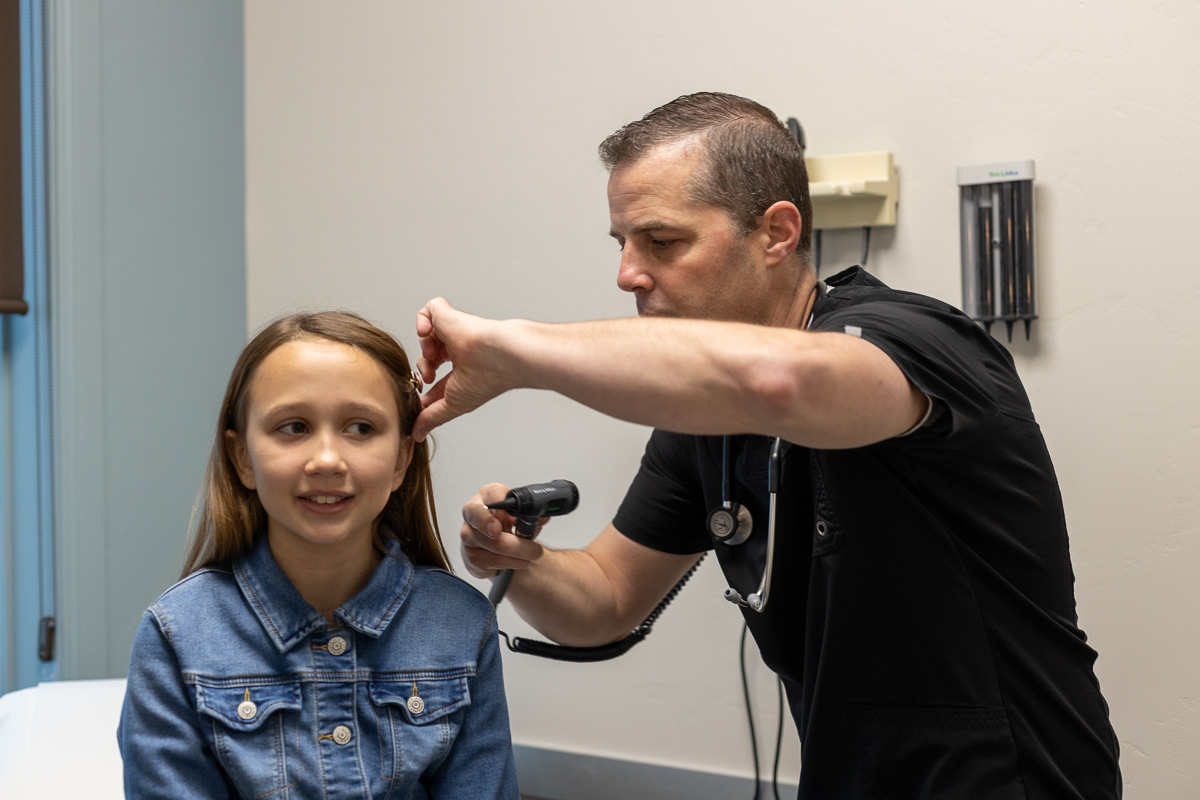
- Infections: Acute otitis media, urinary tract infections, streptococcal pharyngitis, and other common pediatric infections.
- Allergic reactions: Mild to moderate allergic responses requiring evaluation, antihistamine administration, and monitoring.
| Condition | Treatment | Notes |
|---|---|---|
| Minor injuries | X-ray services, splinting | Rapid assessment and treatment by trained clinicians |
| Infections | Antibiotics, symptom management | Prompt diagnosis to prevent complications and transmission |
| Allergic reactions | Antihistamines, observation | Immediate care for mild to moderate reactions |
Typical Illnesses Managed in Urgent Care
- Cold and flu symptoms: Evaluation and management of cough, congestion, fever, and associated symptoms.
- Gastrointestinal issues: Treatment for vomiting, diarrhea, dehydration, and related concerns.
- Skin conditions: Care for rashes, insect bites, minor burns, and other dermatological issues.
Procedures and Treatments Offered for Urgent Care Patients
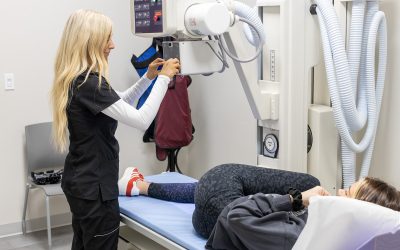
- X-ray services: On-site imaging for accurate diagnosis of fractures and other injuries.
- Wound care: Expert treatment of cuts, lacerations, and abrasions, including suturing when necessary.
- Medication administration: Immediate provision of antibiotics, analgesics, and other medications tailored to pediatric patients.
How to Access Urgent Care Services in Idaho Falls
- Location details: Ridgeline Medical is conveniently located at 2470 Jafer Ct, Idaho Falls, ID 83404.
- Hours of operation: Verify current clinic hours online or by phone to plan your visit.
- Walk-in process: The clinic welcomes walk-in patients, facilitating immediate care without prior appointments.
Walk-In Clinic Availability and After-Hours Care Options
- Extended operating hours: Many clinics remain open during evenings and weekends to accommodate working families.
- After-hours care: Some facilities offer services beyond standard business hours, ensuring continuous access to care.
- Walk-in convenience: Eliminating the need for appointments, walk-in services enable families to seek care promptly.
Appointment Scheduling and Insurance Acceptance for Child Urgent Care
- Insurance plans accepted: Ridgeline Medical accepts a broad range of insurance providers, facilitating coverage for most families.
- Self-pay options: Affordable self-pay plans are available to ensure all children can access necessary care regardless of insurance status.
- Appointment scheduling: While walk-ins are welcome, scheduling an appointment can reduce wait times and streamline care delivery.
What Should Families Expect During an Urgent Care Visit?
- Welcoming environment: Facilities are designed to reduce anxiety and create a comforting atmosphere for children and their families.
- Child-friendly services: Staff are specially trained in pediatric care, ensuring sensitive and effective communication and treatment.
- Efficient care process: The clinic prioritizes prompt evaluation and treatment to minimize wait times and expedite recovery.
Patient Care Process and Family-Centered Approach at Ridgeline Medical
- Family-centered care: Active involvement of families in decision-making ensures that care plans align with the child's and family's needs and preferences.
- Comprehensive services: The clinic offers an extensive range of diagnostic, therapeutic, and follow-up services tailored to pediatric patients.
- Continuity of care: Coordination with primary care providers and specialists ensures seamless ongoing management of children's health.
Meet the Experts at Ridgeline Medical
- Scott Ulrich, PA-C: A certified Physician Assistant with extensive experience in pediatric urgent care, Scott brings compassionate, patient-focused care and expertise in managing a wide range of pediatric conditions.
- Dr. Haskell, MD: Dr. Jeffrey Haskell, an esteemed practitioner whose 33 years of dedication to family wellness, coupled with his passion for the outdoors, enriches the Ridgeline Medical community.
Preparing for Your Child’s Urgent Care Visit: Insurance & Cost Guide
- Insurance verification: Confirm insurance coverage and understand benefits prior to the appointment to anticipate costs.
- Cost expectations: Awareness of potential out-of-pocket expenses enables financial planning and avoids surprises.
- Preparation tips: Bring relevant medical records, a list of current medications, and any necessary identification or insurance documents.