
Urgent Care vs Emergency Room in Idaho Falls: When to Choose Each for Timely Medical Care
By Danny Spencer, Ridgeline Medical
Navigating healthcare options can be challenging, especially when deciding between urgent care and emergency room services. Understanding the differences between these two types of medical facilities is crucial for receiving timely and appropriate care. This article will explore when to visit urgent care versus the emergency room in Idaho Falls, helping you make informed decisions about your health. We will cover the services offered, typical wait times, and the conditions treated at each facility. Additionally, we will highlight the services provided by Ridgeline Medical, a healthcare provider in Idaho Falls, to ensure you have the necessary information for your healthcare needs.
Urgent Care
Urgent care centers provide immediate medical attention for non-life-threatening conditions that require prompt treatment. These facilities are designed to handle a variety of medical issues that do not warrant a visit to the emergency room. By offering extended hours and walk-in availability, urgent care centers serve as a convenient option for patients seeking timely care without the long wait times often associated with emergency rooms.
Indeed, urgent care centers are increasingly recognized as vital alternatives to emergency departments, especially in regions like Idaho, for managing non-critical health concerns.
Idaho Healthcare Choices: ED Alternatives & Urgent Care
Alternatives for ED services include urgent care clinics and telehealth care. Telehealth has recently gained traction as a means of addressing gaps in healthcare access.
A Qualitative Analysis of Choice-Driving Factors for Emergency Department Utilization Among Medicare Advantage Patients in Idaho, 2025
When to Choose:
You should consider visiting urgent care when experiencing non-life-threatening conditions that require immediate attention. Common scenarios include:
- Minor Injuries: Sprains, strains, and minor fractures.
- Illnesses: Cold, flu, or infections that do not require emergency intervention.
- Skin Conditions: Rashes, insect bites, or minor burns.
These conditions can often be treated effectively at urgent care, allowing you to avoid the longer wait times of an emergency room.
Services Offered:
Urgent care facilities typically provide a range of services, including:
- Onsite Lab Services: Quick testing for infections, blood work, and other diagnostics.
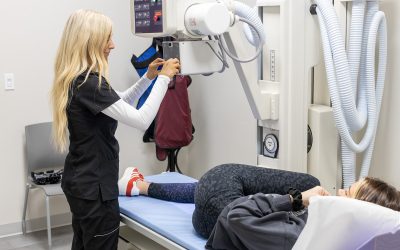
- X-ray Services: Immediate imaging for fractures or other injuries.
- Vaccinations: Immunizations for flu, tetanus, and other preventable diseases.
These services ensure that patients receive comprehensive care in a timely manner.
Wait Times:
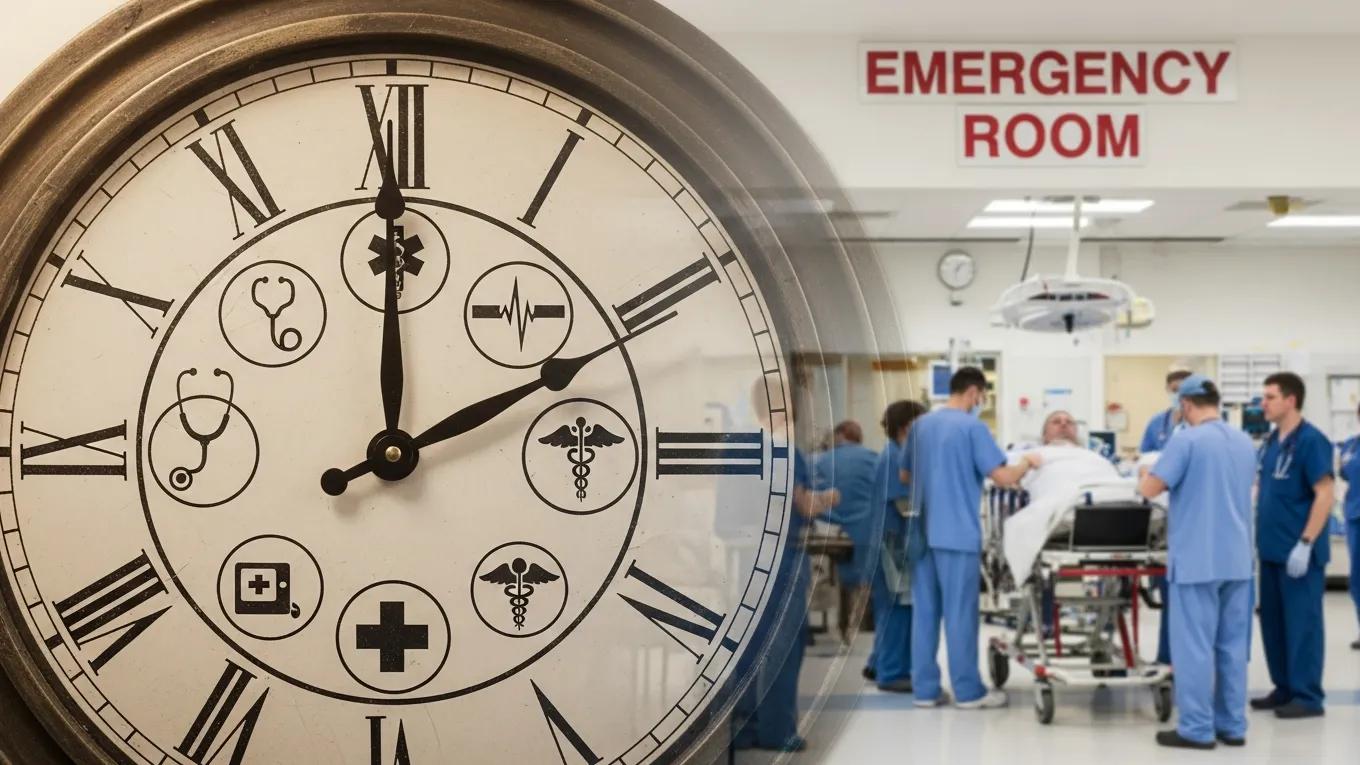
One of the significant advantages of urgent care is the reduced wait times compared to emergency rooms. On average, patients can expect to be seen within 15 to 30 minutes, depending on the time of day and the facility’s patient volume. This efficiency allows for quicker diagnosis and treatment, making urgent care a preferred option for many.
Conditions Treated:
Urgent care centers are equipped to handle a variety of conditions, including:
- Respiratory Infections: Such as bronchitis and sinusitis.
- Gastrointestinal Issues: Nausea, vomiting, and diarrhea.
- Minor Cuts and Lacerations: Requiring stitches or wound care.
These facilities are well-suited for treating conditions that require prompt attention but are not life-threatening.
Emergency Room
Emergency rooms (ERs) are designed to handle severe and life-threatening conditions that require immediate medical attention. These facilities are equipped with advanced medical technology and staffed by specialists trained to manage critical situations.
When to Choose:
You should go to the emergency room if you experience life-threatening conditions, such as:
- Chest Pain: Possible heart attack symptoms.
- Severe Injuries: Major trauma from accidents or falls.
- Difficulty Breathing: Signs of respiratory distress or severe asthma attacks.
These situations necessitate immediate care that only an emergency room can provide.
Services Offered:
Emergency rooms offer a wide range of services, including:
- Advanced Diagnostic Tests: CT scans, MRIs, and other imaging techniques.
- Comprehensive Care: Treatment for severe injuries, heart attacks, strokes, and other critical conditions.
- Surgical Services: Emergency surgeries for life-threatening situations.
The extensive resources available in ERs ensure that patients receive the highest level of care during emergencies.
Wait Times:
While emergency rooms are equipped to handle critical cases, wait times can vary significantly based on patient volume and the severity of cases being treated. Patients with non-life-threatening conditions may experience longer wait times, often exceeding an hour or more. This prioritization of cases ensures that those in critical need receive immediate attention.
This phenomenon of varying wait times is often exacerbated by increased patient volume, leading to overcrowding and extended waits for many.
Emergency Department Overcrowding & Wait Times
For instance, similar to previous studies, increased visit volume may result in overcrowding in the emergency department (ED) and increased waiting times for minor and sometimes serious problems [5,6].
… and admission preferences of pediatric emergency patients and their waiting time prediction using electronic medical record data: retrospective comparative …, YW Gu, 2023
Conditions Treated:
Emergency rooms are equipped to handle a wide array of serious conditions, including:
- Heart Attacks: Immediate intervention is crucial.
- Strokes: Rapid treatment can significantly affect outcomes.
- Severe Allergic Reactions: Requiring immediate medical attention.
These conditions require the specialized care that only an emergency room can provide.
Summary
In summary, understanding when to visit urgent care versus the emergency room is essential for receiving timely and appropriate medical care. Urgent care is ideal for non-life-threatening conditions, offering quick access to treatment with shorter wait times. In contrast, emergency rooms are equipped to handle severe and life-threatening situations that require immediate attention. Knowing the differences can help you make informed decisions about your healthcare needs.
What Are the Key Differences Between Urgent Care and Emergency Room Services?
The primary differences between urgent care and emergency room services lie in the types of conditions treated, the level of care provided, and the associated wait times. Urgent care centers focus on non-life-threatening issues, while emergency rooms are equipped to handle critical situations. Additionally, patients can expect shorter wait times at urgent care facilities compared to emergency rooms.
How Do Urgent Care Centers Address Non-Life-Threatening Conditions?
Urgent care centers effectively address non-life-threatening conditions by providing immediate access to medical care for a variety of ailments. These facilities are staffed with healthcare professionals trained to diagnose and treat common illnesses and injuries, ensuring that patients receive timely care without the need for an appointment.
What Types of Emergencies Require Immediate ER Attention?
Certain emergencies require immediate attention at an emergency room, including:
- Severe Chest Pain: Potential heart attack symptoms.
- Uncontrolled Bleeding: Significant injuries that cannot be managed at home.
- Loss of Consciousness: Indicating a serious medical issue.
These situations necessitate the advanced resources and expertise available in emergency rooms.
When Should You Visit Urgent Care Instead of the Emergency Room in Idaho Falls?
You should visit urgent care instead of the emergency room when experiencing non-life-threatening conditions that require prompt attention. For example, if you have a minor injury or illness that does not pose an immediate risk to your health, urgent care is a more efficient option.
Which Symptoms Are Best Treated at Urgent Care Facilities?
Urgent care facilities are best suited for treating symptoms such as:
- Fever: In children and adults without severe complications.
- Minor Injuries: Such as sprains, strains, and cuts.
- Cold and Flu Symptoms: That do not require emergency intervention.
These symptoms can often be managed effectively at urgent care centers.
How Do Urgent Care Hours and Accessibility Benefit Patients?
Urgent care centers typically offer extended hours, including evenings and weekends, making them accessible for patients who need care outside of regular office hours. This accessibility allows individuals to receive timely treatment without the need for an appointment, enhancing overall patient convenience.
How Do Wait Times and Costs Compare Between Urgent Care and Emergency Rooms in Idaho Falls?
Wait times at urgent care centers are generally shorter than those at emergency rooms, with patients often seen within 15 to 30 minutes. Additionally, the cost of treatment at urgent care is typically lower than that of emergency room visits, making it a more economical choice for non-life-threatening conditions.
What Services Does Ridgeline Medical Provide for Urgent Care and Family Medicine in Idaho Falls?
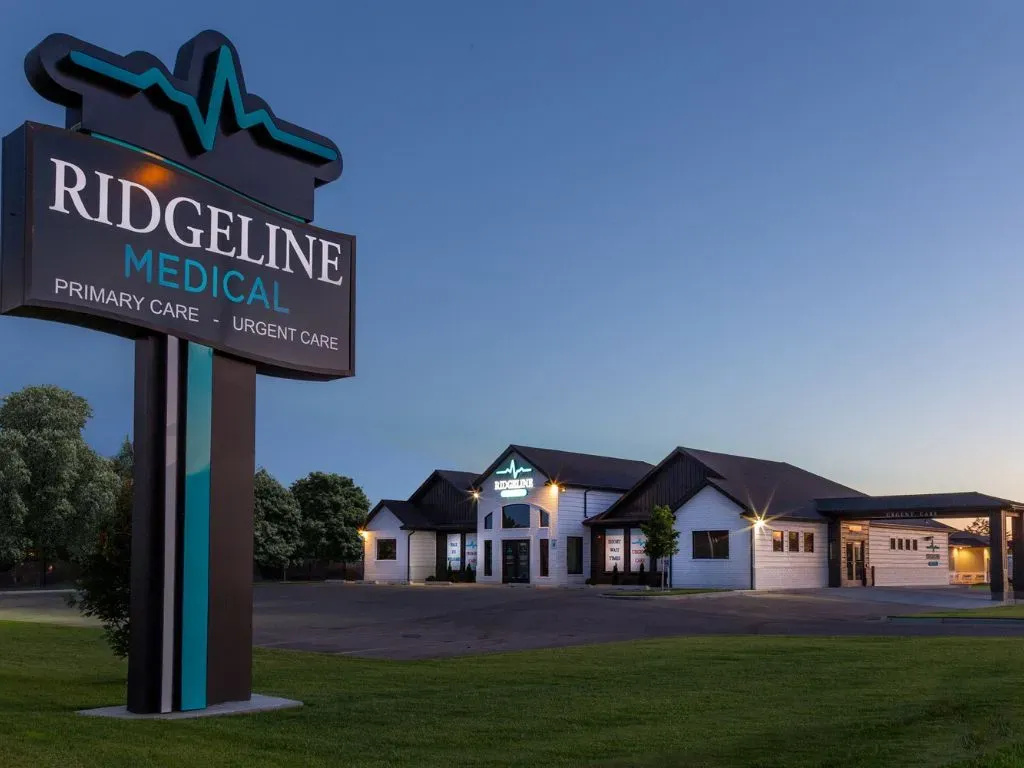
Ridgeline Medical offers a range of services, including urgent care and family medicine, to meet the healthcare needs of the Idaho Falls community. Their urgent care services are designed to provide timely treatment for non-life-threatening conditions, ensuring patients receive the care they need when they need it.
How Can Patients Schedule Visits or Walk In for Urgent Care at Ridgeline Medical?
Patients can schedule visits or walk in for urgent care at Ridgeline Medical, providing flexibility for those seeking immediate medical attention. This accessibility ensures that individuals can receive timely care without the need for an appointment.
What Patient Care Practices Does Ridgeline Medical Emphasize?
Ridgeline Medical emphasizes patient-centered care, focusing on building trust and ensuring that patients feel comfortable and informed throughout their treatment process. Their commitment to quality care is evident in their approach to patient interactions and treatment plans.