Walk-In Urgent Care Visits and What to Expect

Accidents & Injuries, Sport Injuries, Urgent Care

Walk-In Urgent Care Visits and What to Expect

Walk-in urgent care centers provide a vital service for individuals seeking immediate medical attention for non-life-threatening conditions. These facilities offer a convenient alternative to traditional emergency rooms, allowing patients to receive care without the long wait times typically associated with hospital visits. In this article, we will explore what walk-in urgent care entails, the benefits it offers, and what patients can expect during their visits. We will also highlight Ridgeline Medical’s approach to urgent care in Idaho Falls, ensuring that you are well-prepared for your next visit.

Indeed, the role of urgent care in alleviating the burden on emergency departments for non-critical cases is well-documented.

Urgent Care: Reducing ED Overuse for Non-Life-Threatening Conditions

Emergency departments (EDs) are specialized and costly resources designed to provide care for patients with urgent or life-threatening conditions [1]. In Canada, low-acuity ambulatory patients, who do not require a gurney or constant observation, represent 30%-60% of all ED visits [2-7]. This situation is increasingly considered as overuse and misuse of ED resources and a threat to the quality of care received by patients whose needs are more urgent [8]. Delays experienced in an overcrowded ED can lead to mortality, morbidity, and reduced quality of life [9-14]. ED overcrowding is widely regarded as a serious but largely avoidable public health risk exacerbated by ambulatory patients [15,16].

… -based comparison of the management of ambulatory respiratory diseases in walk-in clinics, primary care practices, and emergency departments: protocol for …, S Berthelot, 2021

Walk-In Urgent Care: Key Takeaways & Patient Benefits

  • Walk-in urgent care centers offer immediate medical attention for non-life-threatening conditions.
  • These centers reduce emergency department overuse by treating non-critical health issues efficiently.
  • Urgent care services include lab tests, X-rays, and treatment for common ailments.
  • Ridgeline Medical provides accessible urgent care with extended hours and no appointment needed.
  • Patients should bring insurance and identification for a streamlined urgent care visit.
  • Urgent care is a cost-effective alternative to emergency room visits for non-emergency conditions.
  • Average wait times at urgent care centers are significantly shorter than emergency rooms.
  • Ridgeline Medical accepts major insurance plans and offers self-pay options for uninsured patients.

What Is Walk-In Urgent Care and How Does It Serve Idaho Falls Patients?

Walk-in urgent care centers are designed to provide immediate medical attention for a variety of non-critical health issues. They serve as an accessible option for patients who need same-day care without the lengthy wait times of emergency rooms. These facilities typically offer services such as onsite lab tests, X-rays, and treatment for common ailments, making them a convenient choice for many residents in Idaho Falls.

Ridgeline Medical exemplifies this model by providing comprehensive urgent care services that cater to the needs of the local community. Patients can expect to receive timely and efficient care, ensuring that their health concerns are addressed promptly.

Defining Walk-In Urgent Care Services and Their Benefits
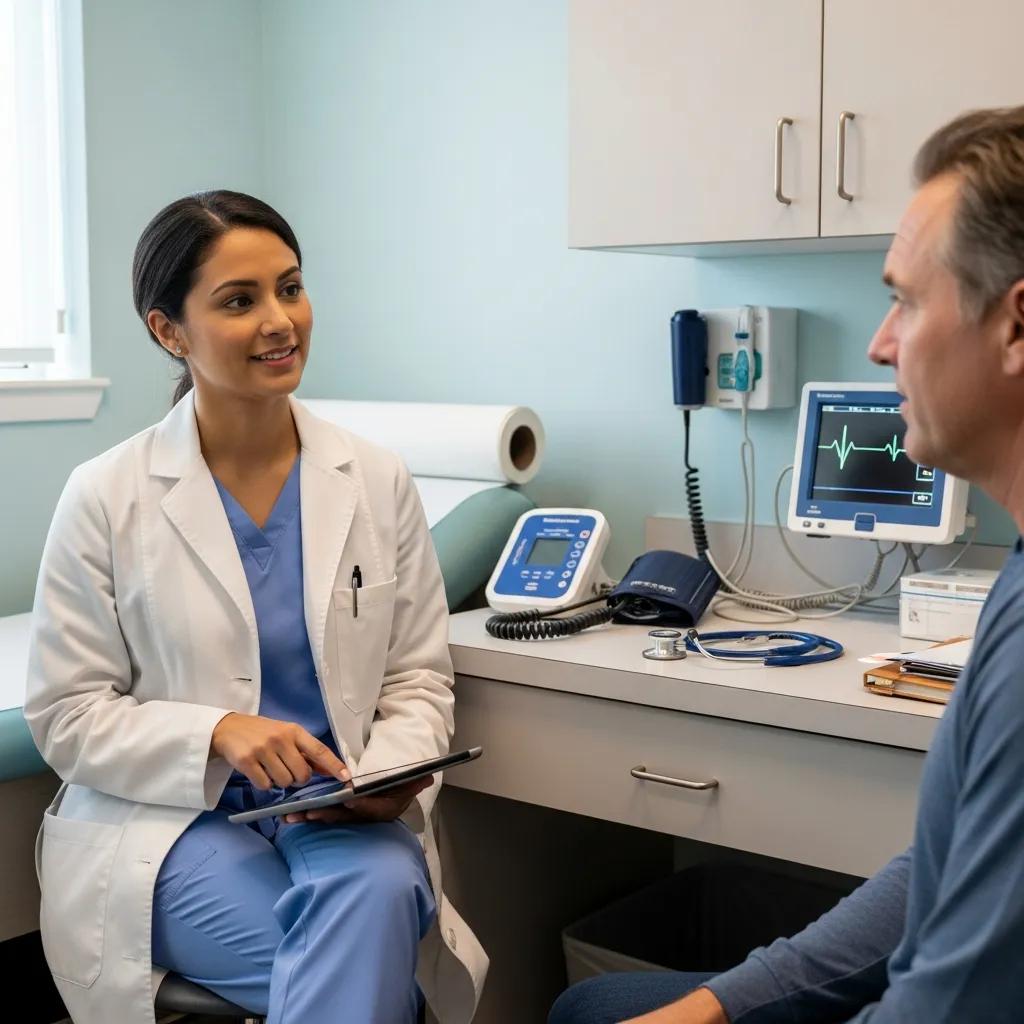
Walk-in urgent care services encompass a range of medical treatments aimed at addressing immediate health concerns. Some of the key benefits include:

  • Immediate Care for Non-Critical Needs: Patients can receive treatment for conditions such as minor injuries, infections, and illnesses without needing an appointment.
  • Integrated Primary Care for Follow-Ups: Many urgent care centers, including Ridgeline Medical, offer seamless transitions to primary care for ongoing health management.
  • Cost-Effective Options Available: Urgent care visits are often more affordable than emergency room visits, especially for non-life-threatening conditions.

These benefits make walk-in urgent care an attractive option for individuals seeking quick and effective medical attention.

This cost-effectiveness is a significant advantage, as research consistently highlights urgent care centers as a more economical choice for non-emergency conditions.

Walk-In Clinics: Cost-Effective ED Alternative for Non-Urgent Care

Non-urgent healthcare problems are responsible for more than 9 million visits to the emergency department (ED) in US hospitals each year, largely due to patients’ lack of access to a primary care physician. To avoid costly and unnecessary ED usage for non-urgent health problems, a walk-in clinic run by nurses (CHEER Clinic) was developed as an extension of the services provided by an existing free clinic in a low-income neighborhood of Providence, RI, with the goal of providing uninsured patients with a convenient, no-cost means of accessing healthcare.

A nurse-run walk-in clinic: Cost-effective alternative to non-urgent emergency department use by the uninsured, A Bicki, 2013

Ridgeline Medical’s Approach to Accessible Urgent Care

Ridgeline Medical prioritizes accessibility and convenience in its urgent care services. Patients can walk in without an appointment, making it easier for them to receive care when they need it most. The facility operates with extended hours, accommodating patients’ busy schedules.

In-house services, such as lab tests and X-rays, allow for quick diagnosis and treatment, further enhancing the patient experience. This approach ensures that individuals in Idaho Falls can access the care they need without unnecessary delays.

Oversight of the urgent care services at Ridgeline Medical is provided by Dr. Danny Spencer, Physician, Board Certified in Emergency Medicine, Fluent in Spanish. With over 20 years of experience in emergency medicine, Dr. Spencer brings a passion for rural medicine and sports medicine to the team. He is dedicated to helping patients regain their ability to enjoy the outdoors and improving their quality of life through personalized care. Dr. Spencer’s background includes an exercise physiology degree from Brigham Young University, medical training at Kirksville College of Osteopathic Medicine, and residency at the University of New Mexico School of Medicine. After 17 years working in emergency departments, he returned to Idaho to serve the local community. His particular medical interests include emergency medicine, rural medicine, sports medicine, and providing complimentary sports and mission physicals.

Dr. Spencer leads a full team of experienced providers at Ridgeline Medical, ensuring comprehensive and compassionate care for all urgent care patients.

What Is the Step-by-Step Process During a Walk-In Urgent Care Visit?

Understanding the process of a walk-in urgent care visit can help alleviate any concerns patients may have. Here’s what to expect:

  • Check-In and Registration Process: Upon arrival, patients will complete a registration form, which may include providing insurance information and a brief medical history.
  • Consultation with Medical Provider: After registration, patients will meet with a healthcare provider who will assess their condition and recommend appropriate treatment.
  • Payment and Follow-Up Care: Once treatment is provided, patients will discuss payment options and any necessary follow-up care.

This structured process ensures that patients receive comprehensive care tailored to their needs.

Arrival, Registration, and Initial Assessment Procedures

The arrival and registration process at a walk-in urgent care center is designed to be straightforward. Patients can often complete an online registration form before their visit, which can expedite the check-in process. Upon arrival, they will undergo an initial assessment by healthcare providers to determine the urgency of their condition and the appropriate course of action.

Typical Medical Evaluations and Treatment Steps

During a walk-in urgent care visit, patients can expect a variety of medical evaluations and treatment steps, including:

  • On-Site Lab and X-Ray Facilities: Many urgent care centers are equipped to perform lab tests and X-rays, allowing for immediate diagnosis.
  • Management of Common Ailments: Providers can treat conditions such as sprains, fractures, and infections.
  • Chronic Disease Management: Patients with chronic conditions can receive necessary care and management strategies.

These evaluations and treatments are designed to address a wide range of health concerns efficiently.

How Long Are Urgent Care Wait Times and How Does Ridgeline Medical Minimize Them?

Urgent care wait times can vary, but many patients experience average wait times of 15-45 minutes. Ridgeline Medical employs several strategies to minimize delays and streamline patient flow, ensuring that individuals receive timely care.

Average Wait Times for Urgent Care Visits in Idaho Falls

In Idaho Falls, patients can generally expect wait times that are significantly shorter than those at emergency rooms. This efficiency is a key advantage of choosing urgent care for non-critical health issues.

Strategies to Streamline Patient Flow and Reduce Delays
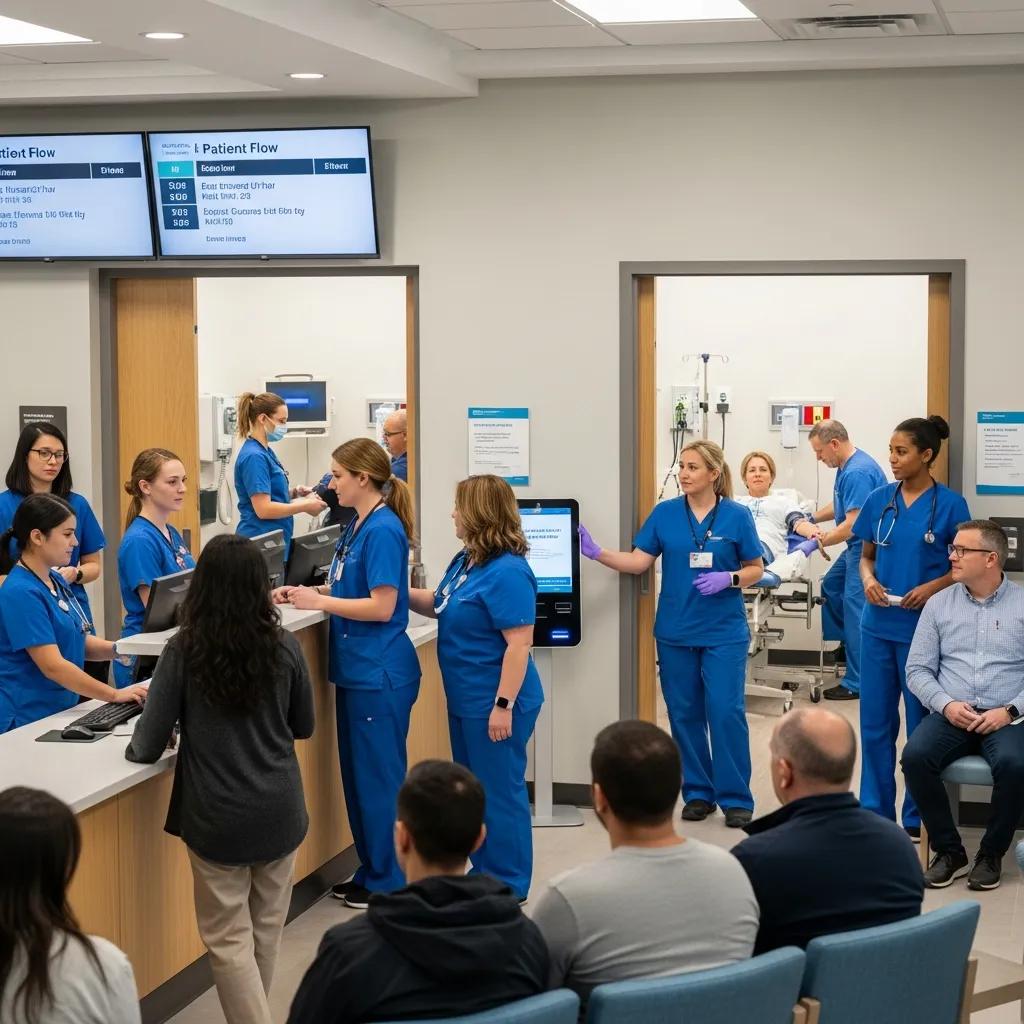
Ridgeline Medical implements various strategies to enhance patient flow, including:

  • Same-Day Visits and Walk-Ins: The facility encourages walk-in patients, reducing the need for appointments.
  • Flexible Hours for Patient Convenience: Extended hours allow patients to seek care at times that suit their schedules.

These strategies contribute to a more efficient and patient-friendly experience.

What Should Patients Bring and Expect Regarding Insurance and Payment Options?

When visiting a walk-in urgent care center, patients should be prepared with certain documents and information. This includes their insurance information and any necessary identification. Understanding payment options can also help alleviate concerns about costs.

Accepted Insurance Plans and Payment Methods at Ridgeline Medical

Ridgeline Medical accepts a variety of major insurance plans, making it easier for patients to access care without financial stress. Additionally, self-pay options are available for those without insurance, ensuring that everyone can receive the medical attention they need.

Preparing for Your Visit: Documents and Payment Information

To ensure a smooth visit, patients should bring the following:

  • Insurance Information: This includes their insurance card and any relevant policy details.
  • Identification: A government-issued ID may be required for registration.
  • Payment Information: For self-pay patients, having a credit or debit card ready can expedite the payment process.

Being prepared with these documents can help streamline the visit and reduce wait times.

Recent Posts