
Telehealth Follow-Up Visits After Urgent Care Idaho Falls

Family Medical Services, Health

Telehealth Follow-Up Visits After Urgent Care in Idaho Falls

Telehealth follow-up visits have emerged as a vital component of modern healthcare, particularly after urgent care visits. These virtual consultations allow patients to receive ongoing care without the need for in-person appointments, making healthcare more accessible and convenient. In Idaho Falls, telehealth services are increasingly utilized to ensure that patients receive the necessary follow-up care after urgent medical situations. This article will explore the definition and benefits of telehealth follow-up visits, how telemedicine supports aftercare, and the steps to schedule an appointment with Ridgeline Medical, a healthcare provider in the area. Additionally, we will discuss insurance options and payment methods available for these services.

What Is a Telehealth Follow-Up Visit After Urgent Care?

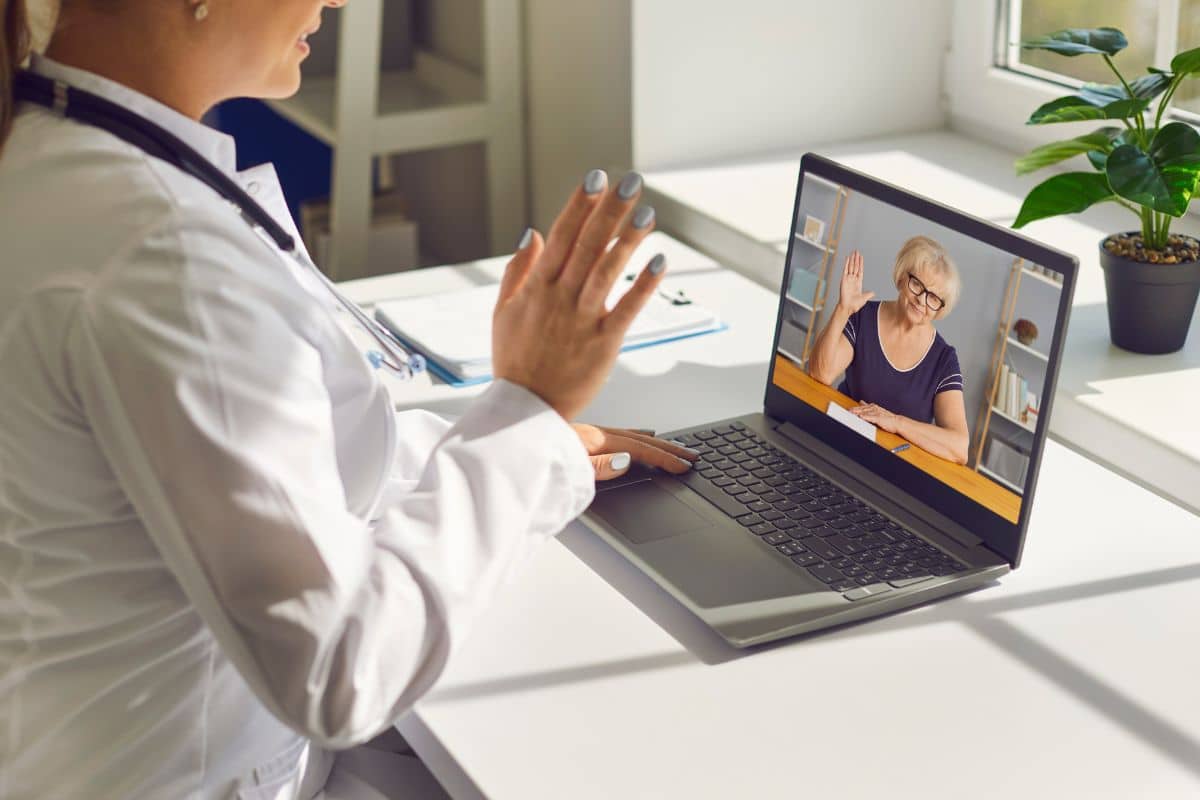
A telehealth follow-up visit after urgent care is a virtual consultation that allows healthcare providers to assess a patient’s condition remotely. This process typically involves a video call or phone consultation where the provider can review the patient’s symptoms, discuss treatment plans, and make necessary adjustments to medications. The convenience of telehealth visits means that patients can receive care from the comfort of their homes, reducing the need for travel and waiting times associated with in-person visits. This approach not only enhances patient satisfaction but also ensures continuity of care.

How Does Telemedicine Support Urgent Care Aftercare?

Telemedicine plays a crucial role in supporting aftercare following urgent care visits. It facilitates ongoing communication between patients and healthcare providers, ensuring that any concerns or complications can be addressed promptly. By providing access to medical history and previous treatment details, telemedicine allows providers to make informed decisions about a patient’s care. This continuity is essential for effective recovery, as it helps to monitor progress and adjust treatment plans as needed.

Research further illuminates the impact of telemedicine on follow-up care, offering insights into timeliness and patient outcomes.

Telemedicine Timeliness and Follow-Up Care Outcomes

Telemedicine visits were timelier, with modality having a larger association for visits with patient’s own PCP versus another PCP (P< 0.001). For visits with patient’s own PCPs, return office visit rates were 1.2% for in-person, 5.3% for video, and 6.1% for audio-only. For another PCP, rates were 2.2% for in-person, 7.3% for video, and 8.1% for audio. Follow-up ED visits ranged from 1.4% (in-person) to 1.6% (audio-only) with own PCP, compared to 1.9% (in-person) to 2.3% (audio-only) with another PCP.

Primary care telemedicine and care continuity: Implications for timeliness and short-term follow-up healthcare, I Graetz, 2024

What Are the Benefits of Virtual Doctor Visits in Idaho Falls?
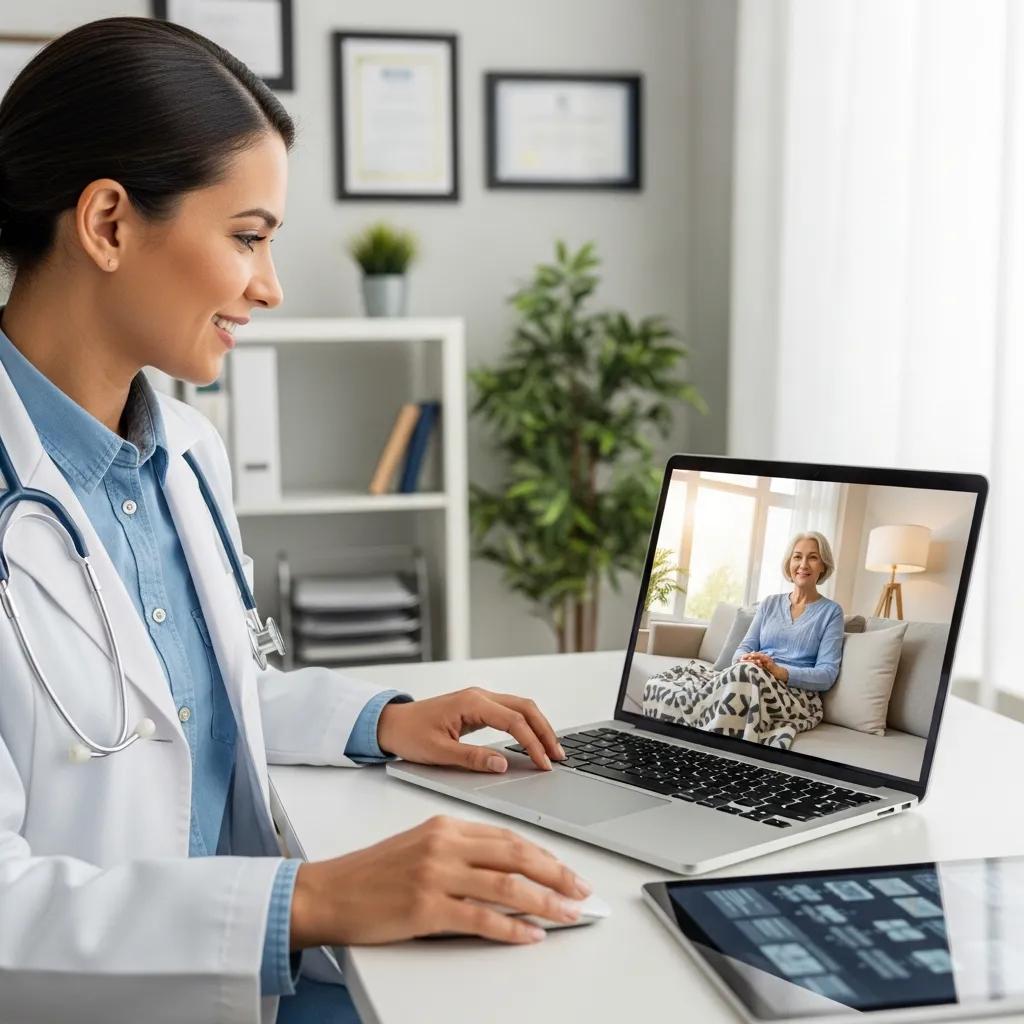
Virtual doctor visits offer numerous advantages, particularly in Idaho Falls, where access to healthcare can be limited. Some key benefits include:

  • Convenience: Patients can attend appointments from home, saving time and reducing travel-related stress.
  • Accessibility: Telehealth services make it easier for individuals with mobility issues or those living in remote areas to receive care.
  • Comprehensive Care: Virtual visits allow for thorough evaluations and follow-ups, ensuring that patients receive the attention they need.

For those seeking high-quality telehealth services, Ridgeline Medical offers a range of options tailored to meet patient needs.

Ridgeline Medical is staffed by a team of experienced healthcare providers, including board-certified physicians and nurse practitioners specializing in family medicine and urgent care. Their credentials include extensive training from accredited medical institutions and years of clinical experience in both in-person and telehealth settings. This expertise ensures that patients receive knowledgeable, compassionate care tailored to their individual health needs.

While telehealth offers numerous advantages, it’s important to consider research that highlights potential complexities in specific follow-up scenarios.

Telehealth Follow-Up After ED: Impact on Hospital Readmissions

Meaning In this study, telehealth follow-up visits after ED encounters were associated with higher rates of repeated hospital visits even after adjusting for patient and visit characteristics. These findings suggest that telehealth follow-up may not be equivalent to in-person follow-up for all patients after ED visits.

Association between in-person vs telehealth follow-up and rates of repeated hospital visits among patients seen in the emergency department, 2022

How to Schedule Your Telehealth Follow-Up with Ridgeline Medical

Scheduling a telehealth follow-up appointment with Ridgeline Medical is a straightforward process. Patients can follow these steps:

  • Call to Schedule: Contact Ridgeline Medical at (208) 715-9990 to initiate the appointment process.
  • Account Setup: If you are a new patient, you will need to set up an account with the practice.
  • Registration Completion: Complete any necessary registration forms to ensure your information is up to date.

This simple process ensures that patients can quickly access the care they need after an urgent care visit.

What Are the Steps to Book an Online Medical Follow-Up?

Booking an online medical follow-up involves a few essential steps:

  • Visit the Provider's Website: Navigate to the Ridgeline Medical website to find information on telehealth services.
  • Select Appointment Type: Choose the type of follow-up appointment you require.
  • Fill Out Required Forms: Complete any necessary forms to provide your medical history and current symptoms.

These steps help streamline the process, making it easier for patients to receive timely care.

Can I Access Family Medicine Telehealth Services Virtually?

Yes, family medicine telehealth services are available virtually, allowing patients to consult with healthcare providers about a wide range of health concerns. This accessibility ensures that families can receive comprehensive care without the need for in-person visits, making it easier to manage ongoing health issues or new concerns that arise.

What Insurance and Payment Options Are Available for Telehealth Services in Idaho Falls?

In Idaho Falls, various insurance plans cover telehealth services, making them an affordable option for many patients. It’s essential to check with your insurance provider to understand your coverage options. Additionally, Ridgeline Medical offers self-pay options for those without insurance, ensuring that everyone has access to necessary healthcare services.

Does Insurance Cover Urgent Care Telemedicine Follow-Up?

Insurance coverage for urgent care telemedicine follow-ups can vary by provider. Many insurance plans now include telehealth services as part of their coverage, but it is advisable to verify with your specific insurance company to confirm what is included. This step ensures that patients are aware of any out-of-pocket costs associated with their telehealth visits.

What Payment Methods Are Accepted for Virtual Follow-Up Visits?

Ridgeline Medical accepts various payment methods for virtual follow-up visits, including:

  • Credit and Debit Cards: Most major credit and debit cards are accepted.
  • Health Savings Accounts (HSAs): Patients can use their HSA funds to pay for telehealth services.
  • Self-Pay Options: For those without insurance, self-pay options are available to ensure access to care.

These flexible payment options make it easier for patients to manage their healthcare expenses.

How Should Patients Prepare for Their Telehealth Follow-Up Visit?
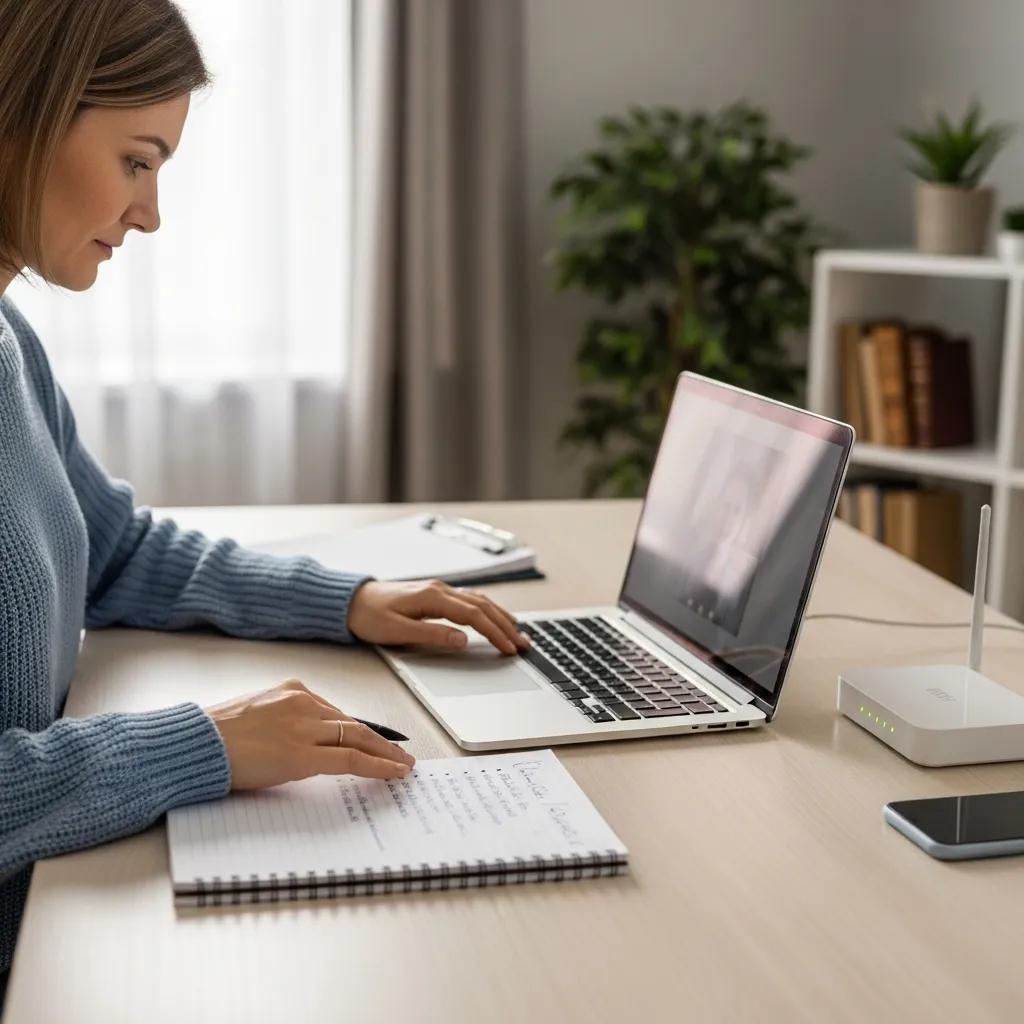
Preparing for a telehealth follow-up visit is crucial for ensuring a productive consultation. Patients should:

  • Schedule the Appointment: Ensure that the appointment is booked at a convenient time.
  • Test Technology: Check that your device is functioning correctly and that you have a stable internet connection.
  • Gather Medical Information: Have any relevant medical records or information ready to discuss during the appointment.

By taking these steps, patients can maximize the effectiveness of their telehealth visit.

What Information Should I Have Ready for My Virtual Doctor Visit?

Before a virtual doctor visit, patients should prepare the following information:

  • Personal Information: Basic details such as name, date of birth, and contact information.
  • Health Concerns: A list of current health issues or symptoms to discuss.
  • Medication List: Any medications currently being taken, including dosages and frequency.

Having this information readily available helps facilitate a more efficient and effective consultation.

What Technology Is Needed for a Successful Telehealth Appointment?

To ensure a successful telehealth appointment, patients need:

  • A Device: A smartphone, tablet, or computer with a camera and microphone.
  • Stable Internet Connection: A reliable internet connection to avoid disruptions during the appointment.
  • A Private Space: A quiet, private area to discuss health concerns without interruptions.

These technological requirements are essential for a smooth telehealth experience, allowing for clear communication between patients and providers.

Beyond patient-side technology, successful tele-urgent care also relies heavily on robust clinical infrastructure and adapted practices, as highlighted by experienced clinicians.

Enhancing Tele-Urgent Care: Clinician Insights and Best Practices

We identified four themes related to barriers and facilitators to providing effective, high-quality tele-urgent care. Workplace factors such as a strong information technology (IT) infrastructure, real-time IT support, an electronic health record, and a collegial work environment, often virtual, were necessary standards. Communication and exam techniques from in-person encounters were adapted to tele-urgent care including active listening skills and teaching patients to conduct specific exam maneuvers virtually. The convenience of tele-urgent care should be preserved to support improvements in access to care. Finally, patients and clinicians occasionally had mismatched expectations about what could or would be provided during a tele-urgent care encounter.

Delivering urgent care using telemedicine: insights from experienced clinicians at academic medical centers, AK Agarwal, 2022

Frequently Asked Questions

What types of conditions can be treated during a telehealth follow-up visit?

During a telehealth follow-up visit, a wide range of conditions can be addressed, including chronic illnesses, mental health concerns, and post-urgent care evaluations. Healthcare providers can assess symptoms, adjust medications, and provide guidance on managing ongoing health issues. Common examples include follow-ups for respiratory infections, skin conditions, and mental health therapy. The flexibility of telehealth allows for comprehensive care tailored to individual patient needs, ensuring that all health concerns are adequately addressed without the necessity of an in-person visit.

Are there any limitations to telehealth follow-up visits?

While telehealth follow-up visits offer many benefits, there are limitations to consider. Certain conditions may require physical examinations or diagnostic tests that cannot be performed virtually. Additionally, some patients may struggle with technology or lack access to reliable internet, which can hinder their ability to participate in telehealth consultations. Furthermore, the effectiveness of telehealth can vary based on the nature of the health issue, as some patients may benefit more from in-person visits for complex medical concerns.

How does telehealth impact patient engagement and satisfaction?

Telehealth has been shown to enhance patient engagement and satisfaction by providing convenient access to healthcare services. Patients appreciate the ability to consult with their providers from home, which reduces travel time and associated stress. Additionally, the ease of scheduling appointments and the ability to communicate with healthcare providers through digital platforms fosters a more proactive approach to health management. Studies indicate that patients who utilize telehealth often report higher satisfaction levels due to the personalized and accessible nature of virtual care.

Can telehealth follow-up visits replace in-person visits entirely?

Telehealth follow-up visits are not intended to completely replace in-person visits, as both modalities serve distinct purposes in patient care. While telehealth is effective for many follow-up scenarios, certain medical conditions or emergencies necessitate physical examinations and diagnostic testing that can only be conducted in person. The ideal approach often involves a hybrid model, where telehealth is used for routine follow-ups and in-person visits are reserved for more complex or urgent health issues, ensuring comprehensive care for patients.

What should I do if I experience technical issues during my telehealth appointment?

If you encounter technical issues during your telehealth appointment, the first step is to remain calm and try to troubleshoot the problem. Check your internet connection, ensure your device is functioning properly, and verify that you are using the correct platform or application for the appointment. If issues persist, contact the healthcare provider’s office for assistance. Many telehealth services have technical support available to help resolve issues quickly, ensuring that you can still receive the care you need.

How can I ensure my privacy during a telehealth visit?

To ensure your privacy during a telehealth visit, choose a quiet, private space where you can speak freely without interruptions. Use secure, encrypted platforms provided by your healthcare provider, as these are designed to protect your personal health information. Additionally, avoid discussing sensitive information in public areas or over unsecured networks. Familiarize yourself with the privacy policies of the telehealth service you are using, and feel free to ask your provider about their measures to protect your confidentiality during the consultation.

Recent Posts